
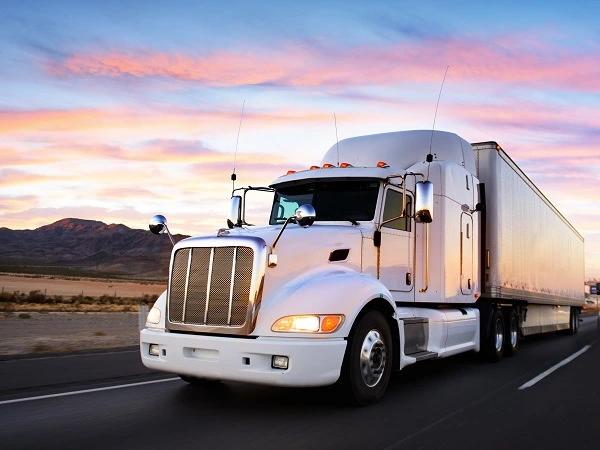

Livestock hauling insurance is decided by the cargo form, and two parts of that form decide most claims: the causes of death the mortality wording pays for, and the loading and unloading exclusions. A hauler who reads those two sections, and how the form treats time in transit, has read most of the coverage. The rest of the program, auto liability and physical damage, looks like any other trucking program.
The class page for livestock hauling insurance covers the equipment and operations. This article stays on the cargo form.
What does livestock hauling insurance cover?
The cargo coverage in a livestock program is the same motor truck cargo coverage every for-hire carrier uses, written for a commodity that is alive. The carrier is liable for the freight by law. Under 49 U.S.C. 14706, a carrier that issues a receipt or bill of lading is liable to the person entitled to recover for the actual loss or injury to the property it receives. The cargo form is how the hauler pays that liability, within the causes of loss it names.
Because the commodity is alive, the form carries wording a dry-freight form never needs. That wording is mortality, injury, and the exclusions that surround them.
What does mortality coverage depend on?
On the list of causes. A form may pay for death that follows a defined event, such as a collision or an overturn, or it may pay more broadly, and the difference is the point. Forms vary, and a quote that says “mortality included” does not tell you which. Ask for the sentence that defines the causes, and ask specifically what the form says about death where the cause is unclear, because that is the claim most likely to be argued.
Also ask how the loss is valued, and whether the form distinguishes between death and injury that reduces an animal’s value. Those are wording questions about the policy, and the answers are in the form, not on this page.
Which loading and unloading exclusions matter?
The ones that tie the loss to who handled the animals and when. Loading and unloading are where animals are most likely to be hurt, and forms often treat those operations separately. Ask four things. Does the form cover loss during loading and unloading by the hauler, by the shipper, or by neither? Does it exclude loss arising from how the animals were loaded or from overloading? Does it exclude loss from conditions that existed before pickup? And does it require anything of the hauler, such as inspecting animals at pickup, that the hauler must be able to show?
Real-World Scenario: Consider a hypothetical hauler who picks up animals loaded by the shipper’s crew and accepts the load without noting its condition. When animals are found down on arrival, the shipper blames the trip and the insurer points to the loading exclusion. A note on the bill of lading at pickup, and photographs, would have given the hauler something to stand on in both arguments.
How does the 28-hour law shape a claim?
It sets a duty about time. 49 U.S.C. 80502 says a carrier may not confine animals in a vehicle for more than 28 consecutive hours without unloading them for feeding, water and rest, with exceptions, including unavoidable delay and a longer period at the written request of the owner or person in custody. Loading and unloading time does not count toward the period. A knowing and willful violation carries a civil penalty set in the statute.
For insurance, the point is practical. The law is a regulatory duty, not a coverage, and a cargo form is not designed to pay a penalty for breaching it. But a trip that ran long is also a trip where animals are more likely to be lost, and a claim file that shows the stops and the timing is stronger than one that does not. Keep trip records.
Does the hours-of-service rule change anything?
Possibly, within narrow limits. 49 CFR 395.1(k) provides that the hours-of-service rules do not apply during planting and harvesting periods, as each state determines, to drivers transporting livestock within a 150 air-mile radius of the final destination. The exemption has conditions and applies only in those periods, and the eCFR text is the authority, so confirm the current text and your state’s periods. Do not plan a route around an exemption you have not confirmed.
Which records protect a livestock hauler?
The records that show the state of the animals and the timing of the trip. At pickup: the condition of the animals as loaded, who loaded them, and any note on the bill of lading. In transit: the stops, the times and any unloading for feed, water and rest, which is the evidence that the 28-hour duty was met. At delivery: the condition on arrival and who received the animals. These records serve two purposes at once. They answer the regulator, and they answer the insurer, whose first question after a loss is what happened and when. A hauler who keeps them has the facts in order before anyone asks, and a dispatcher or driver who knows to write the times down at every stop makes the record far stronger than one rebuilt from memory.
What does the rest of a livestock program look like?
Like any for-hire program, with a few differences in emphasis. Auto liability carries the federal filing and the public exposure, and it is the coverage a crash with another vehicle calls on. Physical damage insures the tractor and the trailer, and a livestock trailer is specialized equipment, so confirm it is described accurately on the schedule. General liability answers exposures at a loading site or yard. The factors that drive the price of the whole program are the ones in the premium drivers article, and a hauler new to livestock work will find the market narrower, as the new venture page explains.
When does the hauler’s responsibility for the animals begin?
When the carrier receives them for transportation. The liability under 49 U.S.C. 14706 attaches to property the carrier receives and the receipt or bill of lading it issues, so the moment of receipt matters. That is why the pickup note matters twice: it fixes the condition on the way in, and it fixes the moment the hauler’s duty began. Animals that are already sick, injured or stressed when they are tendered are a pickup problem, and the hauler’s best protection is a written note made when the animals are received, not an argument made after they have died.
What should you ask before you bind livestock coverage?
Ask the agent to put in writing that livestock is a listed commodity on the form. Ask for the sentence defining the causes of death and the sentences on loading and unloading. Ask what the form requires of the hauler at pickup and in transit. And ask who insures the trailer as equipment, because the cargo form will not. The overview in what motor carrier insurance is explains how the three core coverages divide a loss, and the motor truck cargo article takes the claim from the carrier’s side.
Start a quote with your commodity list, your trailer details and the lanes you run.