Tow operator insurance does not price off a single number. The cost picture sorts by duty class, job mix, and operational scale, with cost drivers within each segment that move the final number.
Single-wrecker, light-duty operators — one wheel-lift or small flatbed, owner-driver, primarily consent tow and motor club work. Cost drivers: operator history (years in the class, claims history, driver MVR), job mix (consent only vs adding private property or police rotation), storage yard situation, and geographic operating area.
Small light-and-medium fleets (2-5 wreckers) — multiple drivers, mixed light and medium equipment, typically a storage yard. Cost drivers: workers compensation payroll, driver experience and MVR profile across the fleet, claims history (on-hook and CGL together), and whether the operator holds police rotation, AAA, or property-management contracts driving additional-insured volume.
Mid-sized tow operators (6-20 wreckers, mixed duty) — full dispatch, multi-bay shop, multiple yards, formal training program, institutional contract relationships. Cost drivers shift toward fleet-level metrics: trailing carrier loss runs, safety and training program structure, equipment-age profile, workers compensation experience modification, and on-hook limit structure across the duty mix.
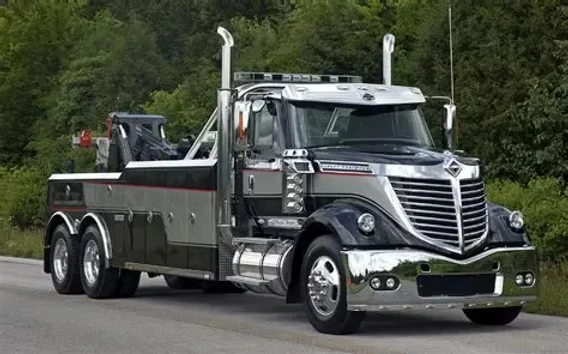
Heavy-wrecker and rotator operators — small fleet by truck count but high investment per wrecker and a high-severity claim profile. Cost drivers concentrate on equipment values, on-hook limit per move, recovery-scene exposure (highway vs off-highway), pollution exposure on commercial-vehicle recoveries, and contract relationships (large motor clubs, commercial accounts, DOT contracts). Carrier panel narrows to specialty markets that quote heavy-wrecker risk specifically.
Specific premium figures depend on every input above. We work through the cost picture on the quote call against an actual application rather than publishing ranges that would mislead more than they would inform.