Refrigerated reefer trucking — North Carolina trucking operations

States we serve · North Carolina

North Carolina trucking insurance

From the Charlotte financial-and-distribution metro through the Research Triangle pharmaceutical cluster to the Port of Wilmington at the I-40 east terminus and the Blue Ridge mountain grades west of Asheville, North Carolina trucking covers a wide freight geography — and the insurance program that works here reflects that spread.

What Trucking Insurance Costs in North Carolina

North Carolina trucking insurance pricing sits in the southeast-region band — meaningfully lower than the dense northeast metros, comparable to Georgia and Tennessee, and consistent with what a freight-heavy southeast distribution state looks like on the carrier rate filings. The drivers are structural.

The cost drivers we see on quote submissions:

  • Metro congestion versus rural spread. Pricing varies materially between Charlotte / Triangle / Triad submarkets and the rural eastern and western counties. A motor carrier domiciled in Charlotte running urban-distribution lanes prices differently than a motor carrier domiciled in Hickory running long-haul I-40 freight, even with comparable equipment and authority age.
  • Coastal hurricane exposure. Physical damage policies for coastal-domiciled equipment typically carry a named-storm percentage deductible rather than a flat dollar deductible. Lane mix into the Outer Banks during storm season can affect both pricing and carrier appetite. Inland motor carriers do not see this factor at all.
  • Mountain-grade exposure on I-40 west and I-26. Blue Ridge mountain descents produce a brake-system maintenance and downhill-control profile that the underwriting submission has to address. The carrier panel narrows in winter for motor carriers running these grades regularly.
  • Lane mix into the Triangle pharmaceutical cluster. Pharmaceutical and biotech shippers require cargo limits and documentation discipline that drive a specific underwriting conversation. A motor carrier with regular Research Triangle pharmaceutical lanes prices that exposure in.
  • Drayage out of the Port of Wilmington. Intermodal-specific exposures — UIIA filing, chassis-interchange liability, port-yard property damage — price differently than over-the-road dry van work.
  • Loss history. A single severity claim in the last three to five years materially changes pricing, and the carrier panel narrows once a motor carrier’s loss runs cross certain thresholds.
  • Authority age. A motor carrier in its first twelve months under MC authority sits in a much narrower carrier panel than a seasoned operator with three or more years on FMCSA authority — and the pricing differential is real until that two-year-plus mark.

We do not publish premium ranges on this page because the honest answer depends on the specific authority, equipment, and lane mix. We work the pricing on the quote call.

North Carolina Trucking Regulatory Framework

Interstate motor carrier authority sits with the Federal Motor Carrier Safety Administration (FMCSA) — the BMC-91 or BMC-91X filing, the MCS-90 endorsement, and 49 CFR § 387 financial responsibility limits. North Carolina overlays three state agencies on top of that federal layer, and motor carriers operating here interact with each one at different points in the policy life cycle.

State transportation authority

The North Carolina Department of Transportation (NCDOT) handles motor carrier registration, IRP and IFTA processing, oversize and overweight permits, and the state-level routing rules. The NCDOT Office of Motor Carrier Compliance and Permits regulates intrastate motor carrier authority for operators running only inside North Carolina lines.

State insurance regulator

The North Carolina Department of Insurance (NCDOI) regulates carrier admission, rate filings, policy form approval, and consumer complaint resolution. The NCDOI also operates a consumer-services hotline that hears motor carrier complaints about North Carolina admitted carriers. Carrier appetite changes are driven in part by NCDOI rate-filing approvals.

Workers compensation

The North Carolina Industrial Commission (NCIC) administers the workers compensation system, handling claims adjudication, employer compliance, and dispute resolution. North Carolina requires workers compensation coverage for employers with three or more employees. The classification of leased owner-operators under 1099 arrangements raises questions the audit form does not always resolve cleanly; we work those through at policy bind.

Federal motor carrier overlays

Beyond FMCSA, motor carriers running hazardous materials interact with the Pipeline and Hazardous Materials Safety Administration (PHMSA) on placarding, training, and route restrictions. Motor carriers running specific weight or dimension overages interact with the Federal Highway Administration (FHWA) and NCDOT jointly on permit conditions. Military-contract motor carriers running into Fort Liberty interact with Department of Defense transportation officials on top of the standard regulatory layer.

Common Trucking Risks in North Carolina

North Carolina risk geography breaks down into roughly four zones, each with a distinct exposure profile.

The Piedmont metros — Charlotte, the Triangle, and the Triad. Density, distribution-warehousing dock-strike exposure, and interchange-rich passenger-vehicle interaction along I-85 and I-40 produce a claim mix weighted toward rear-end collisions and low-speed property damage. Pharmaceutical and biotech cargo exposure adds high-value freight underwriting questions in the Research Triangle specifically.

The coastal corridor — Wilmington, Morehead City, and the Outer Banks. Hurricane and tropical-storm exposure dominates the physical damage conversation. Port of Wilmington drayage adds an intermodal-specific exposure profile, and seasonal hospitality logistics into the Outer Banks produces sharply seasonal traffic patterns.

The mountain corridor — Asheville, the I-40 west grade, and the I-26 corridor. Blue Ridge mountain descents produce a brake-system, downhill-control, and runaway-truck claim pattern. Winter freeze-thaw cycles drive seasonal road-condition claim frequency. Brake-system maintenance documentation matters more here than in the flatlands.

The I-95 military corridor and the eastern coastal plain. Fort Liberty military logistics, plus the agricultural and poultry freight base across eastern North Carolina, produces a claim mix weighted toward government-contract loads, livestock-hauling exposure, and the agricultural seasonal traffic pattern.

On top of geography, North Carolina shares the operational risks every motor carrier faces: cargo claims when shippers dispute load value, CSA score deterioration after a roadside inspection cluster, driver injury claims, and renewal-cycle premium pressure after a single severity year. Geography amplifies these; it does not replace them.
Common North Carolina Trucking Claims We See

Qualitative claim categories that recur on North Carolina motor carrier programs:

  • I-85 corridor rear-end collisions. Interchange-density events on the I-85 spine running through Charlotte, the Triad, and the Triangle. Severity is moderate to high depending on closing speed and the number of passenger-vehicle occupants involved. Limit adequacy on broker contracts is the recurring question.
  • Mountain-grade descent loss-of-control on I-40 west. Brake-system overheating and downhill-control events on the Asheville-to-Tennessee grade. Physical damage to the equipment plus auto liability for collateral damage. Brake-maintenance documentation is the standard underwriting question after each event.
  • Hurricane and tropical-storm physical damage. Wind, hail, and flood damage to coastal-domiciled equipment during named-storm events. Physical damage policies respond subject to the named-storm percentage deductible, and the claim file timing depends heavily on whether equipment was moved to shelter pre-storm.
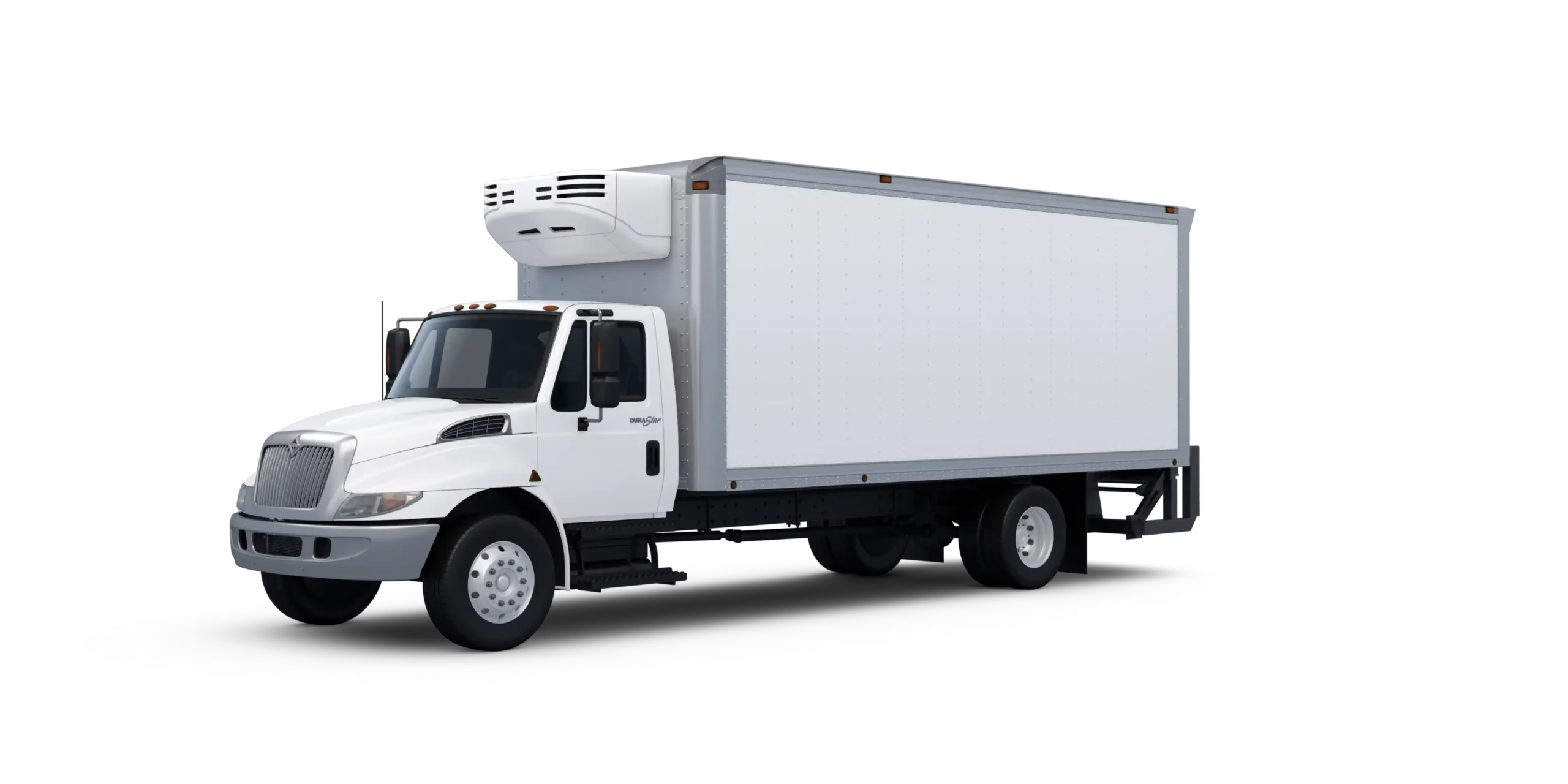
  • Refrigerated and high-value cargo claims on Research Triangle pharmaceutical loads. Temperature-excursion events, chain-of-custody disputes, and reefer breakdown during transit. Documentation discipline at pickup, in-transit temperature logging, and reefer-unit maintenance history decide the outcome more than the cargo form itself does.
  • Port of Wilmington drayage terminal-yard property damage. Low-speed contact between a tractor and a parked chassis, container, or fixed terminal infrastructure. Frequency is moderate; severity is usually contained; the dispute is often about who owned the equipment at the moment of contact under the trailer interchange agreement.
  • Workers compensation driver-injury claims. Loading, unloading, slip-and-fall in customer yards, and back-strain during dock work. North Carolina classification questions on 1099 leased owner-operators complicate a meaningful minority of these files.

Specific carriers are not named on this page per our coverage placement policy — appetite changes faster than a website can. The Truck Guard Insurance homepage lists the panel quoting motor carrier risks today.

Why North Carolina Trucking Owner-Operators Choose Truck Guard Insurance

We are a specialty trucking insurance agency. Motor carrier auto liability, motor truck cargo, and the supporting coverages around them are not a side line — they are the conversation we have on most quote calls, including the North Carolina ones.

We work with specialty trucking carriers in our panel rather than the generic commercial auto market, because the appetite and the underwriting questions are different. For North Carolina specifically, that means carriers with appetite for I-85 corridor distribution risks, carriers that price the Blue Ridge mountain-grade exposure realistically rather than refusing the lane outright, carriers that handle the named-storm deductible conversation on coastal-domiciled equipment, and carriers that work the Port of Wilmington UIIA drayage program end-to-end.

We issue certificates for broker compliance, talk through limit selection before bind rather than after a broker pushes back on a certificate, and handle the operational mechanics — BMC-91 and BMC-91X filings, MCS-90 explanations, certificate-of-insurance issuance, additional-insured endorsements — that decide whether a policy actually works in practice. When you have an authority cancellation pending, a broker compliance question, or a renewal conversation that needs to actually happen with a human who knows the difference between dispatch and off-dispatch, that is what we do.

Major North Carolina Trucking Markets

Submarkets within North Carolina where we actively place motor carrier programs:

Charlotte and the I-77 / I-85 / I-485 ring

The financial-services anchor city plus a deep distribution-warehousing base produces a freight density that drives both LTL and big-box fulfillment volume. Charlotte Douglas air cargo adds an airfreight feeder lane, and the I-485 ring around the metro generates the consistent claim pattern around interchange-density rear-end collisions.

Raleigh-Durham and the Research Triangle

The I-40 / I-85 / I-440 triangle anchors pharmaceutical, biotech, and technology distribution. Shipper contracts on temperature-sensitive and high-value loads routinely require specific cargo limits, chain-of-custody documentation, and reefer breakdown coverage outside the standard cargo form. RDU air cargo adds a parcel and high-value feeder lane.

Greensboro and Winston-Salem (Piedmont Triad)

The I-40 / I-85 convergence at the Piedmont Triad anchors a parcel and air-cargo hub at Piedmont Triad International Airport, where major parcel networks operate sortation facilities. Hub-and-spoke parcel-feeder traffic produces a high-frequency, lower-severity claim mix with sharp time-window pressure on dispatch.

Wilmington and the I-40 east terminus

The Port of Wilmington handles container and military breakbulk freight at the eastern terminus of I-40. Hurricane and tropical-storm exposure produces named-storm deductible structure on physical damage policies for coastal-domiciled equipment, and the cargo-claim profile on military and high-value breakbulk freight is its own underwriting conversation.

Asheville and the I-40 / I-26 mountain corridor

The Blue Ridge mountain grades on I-40 west and I-26 produce seasonal freeze-thaw road conditions, sustained downhill descents, and the runaway-truck risk profile that follows. Brake-system maintenance documentation matters more on this lane than it does on flatland freight, and the carrier panel narrows in winter for motor carriers running these grades.

Fayetteville and the I-95 military corridor

Fort Liberty military logistics, plus the I-95 corridor running north-south through the state, generates a freight base weighted toward government-contract loads, secure cargo handling, and the military-base access protocols that overlay standard motor carrier operations.

Hickory and the I-40 furniture-industry corridor

Furniture-industry legacy manufacturing along the I-40 corridor west of Charlotte produces a flatbed and high-cube van freight base. Tarp-and-strap exposure on open-deck furniture and cabinetry loads drives the cargo-claim conversation here more than dry-van work does.

Outer Banks and the NC-12 corridor

Seasonal hospitality logistics into the Outer Banks plus hurricane evacuation routing on NC-12 create a low-density, sharply seasonal submarket. Bridge and ferry routing through Oregon Inlet and Hatteras Inlet adds delivery-window unpredictability that shapes both cargo and equipment exposure during storm season.

Related reading

North Carolina Trucking Insurance FAQs

Does North Carolina require state-level filings beyond FMCSA authority?

Interstate motor carriers operating under FMCSA authority satisfy federal financial responsibility through the BMC-91 or BMC-91X filing. North Carolina intrastate motor carriers register with the North Carolina Department of Transportation, Office of Motor Carrier Compliance and Permits. Most owner-operators running interstate authority do not file at the state level, but intrastate-only North Carolina motor carriers should confirm requirements with NCDOT before binding.

How does Port of Wilmington drayage change my insurance program?

Drayage motor carriers pulling containers off the Port of Wilmington operate under the Uniform Intermodal Interchange Agreement (UIIA), which obligates a specific minimum-limit structure for auto liability plus a separate trailer interchange or chassis-interchange policy for non-owned equipment. Hurricane and tropical-storm exposure on terminal equipment and parked drayage tractors adds a physical damage deductible conversation that inland motor carriers do not face. We place this program regularly for Wilmington and I-40 east operators.

Who regulates trucking insurance in North Carolina at the state level?

The North Carolina Department of Insurance (NCDOI) regulates carrier admission, rate filings, policy form approval, and consumer complaints. The North Carolina Department of Transportation (NCDOT) handles motor carrier registration, oversize and overweight permits, and the Office of Motor Carrier Compliance and Permits. The North Carolina Industrial Commission (NCIC) administers the workers compensation system. Federal motor carrier authority remains with FMCSA, but the state agencies set the framework around it.

How does hurricane exposure affect coastal North Carolina trucking insurance?

Coastal motor carriers domiciled near Wilmington, Morehead City, or the Outer Banks see hurricane and tropical-storm exposure priced into physical damage coverage — typically as a named-storm percentage deductible rather than the standard dollar deductible. Lane mix matters too: motor carriers with regular Outer Banks routing during storm season face delivery-window and equipment-position questions the inland operations do not. We work through the deductible structure and storm-season dispatch policy at policy bind.

Are North Carolina trucking insurance premiums lower than the northeast?

Yes, on average. North Carolina sits in the southeast-region pricing band — meaningfully below New Jersey, New York, and the dense Pennsylvania metros, comparable to Georgia and Tennessee, and slightly above South Carolina and rural southeast averages. The drivers are lower congestion outside the Charlotte and Triangle metros, a less aggressive plaintiff bar, and a more competitive carrier panel for southeast-domiciled risks. Specific pricing depends on authority type, equipment, lane mix, driver experience, and loss history.

How does workers compensation work for North Carolina based drivers?

Workers compensation is statutorily required in North Carolina for employers with three or more employees. The North Carolina Industrial Commission administers the system, handling claims adjudication, employer compliance, and dispute resolution. Motor carriers with W-2 drivers carry coverage; owner-operators leased under 1099 arrangements raise classification questions that affect both workers compensation eligibility and audit exposure. We resolve those at policy bind rather than after a driver injury.

Do I need separate physical damage coverage for hurricane-zone trucking?

Physical damage coverage responds to named-storm wind, hail, and flood damage to the tractor and trailer subject to the policy’s deductible structure. Coastal-domiciled equipment typically carries a named-storm percentage deductible (a percentage of the equipment value rather than a flat dollar amount), and lane-mix into the Outer Banks during storm season can affect carrier appetite. The auto liability and cargo policies do not respond to weather damage to your own equipment — physical damage is the policy that does.

How fast can you turn around a North Carolina trucking insurance quote?

We aim for one to two business hours during business days once we have the basics — authority MC and DOT numbers, equipment year/make/model and value, commodity description, lane mix, and prior loss runs. Complex programs (hazmat, oversize, military-contract, fresh-MC ventures) can take longer because the carrier panel for those classes is narrower. Reach us through the quote form or call us directly.

Get a North Carolina trucking insurance quote

Send the basics on your authority, equipment, commodity, and lane mix. We pull the panel of specialty trucking markets quoting your class today — including the carriers with appetite for the I-85 corridor distribution density, the Port of Wilmington drayage exposure, the Blue Ridge mountain grades, and the North Carolina regulatory environment — and walk you through limit selection, MCS-90 mechanics, and broker compliance before you bind.