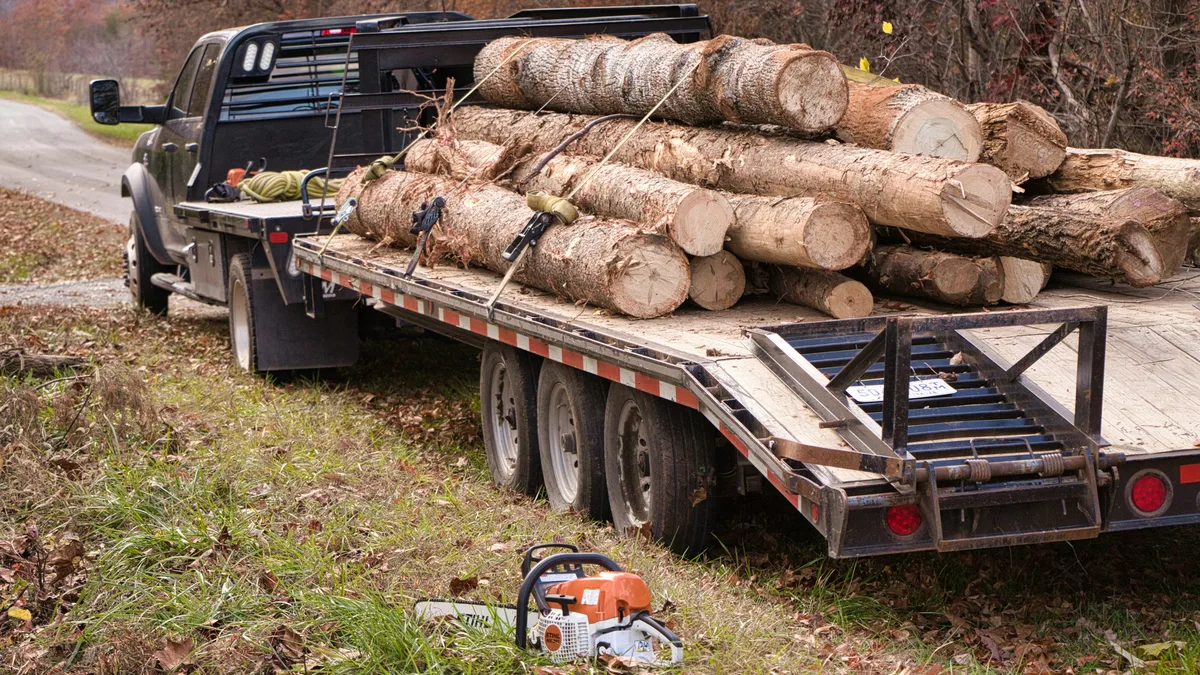
Hot shot trucking is a specific operational profile: a Class 3, 4, or 5 medium-duty truck pulling a gooseneck or deck-over flatbed trailer, running small-load expedited freight on lanes where the shipper needs the load to move in hours rather than days. The freight is often oilfield equipment, construction materials, agricultural inputs, or machinery — segments where a missed delivery window costs the shipper real money and a hot shot operator gets paid because they can leave inside the hour.
The insurance profile is distinct from long-haul general freight even though both run under the same FMCSA motor carrier authority and the same financial responsibility rules at 49 CFR § 387. Hot shot operators run higher mileage per truck, work load boards harder, and face stricter broker compliance scrutiny because the segment carries a higher loss frequency than dry-van general freight. The certificate of insurance is something a broker will actually read before dispatching, not just file in a folder.
The anxiety that drives most hot shot insurance conversations is the call from a broker refusing loads because of an insurance certificate issue — a missing endorsement, a low cargo limit, an additional-insured line that does not match the broker contract, or a filing that has not posted to the FMCSA SAFER database yet. Solving for that anxiety is most of what we do on a hot shot quote.
This page walks through what makes hot shot insurance different from a generic commercial auto policy, the state and regulatory considerations specific to hot shot operations, the coverage lines that have to be present on the policy, the cost-driver framework, the claim categories we see most often, the underwriting realities at the carrier level, and the FAQ we answer most often on the quote call.
A generic commercial auto policy on a medium-duty truck does not respond the way an FMCSA-filed motor carrier policy does. The hot shot operator is running for-hire interstate freight under motor carrier authority, which means the policy has to carry the federal endorsements, the financial responsibility filing, and the cargo and physical damage structure that the for-hire segment requires.
The first operational reality is the equipment profile. Class 3, 4, and 5 trucks — typically one-ton and medium-duty cab-and-chassis or pickup configurations — combined with a gooseneck or deck-over flatbed trailer run a load envelope that crosses CDL thresholds depending on the combined GVWR. The
FMCSA commercial driver license page
documents the federal floor at 26,001 pounds combined; many hot shot operators run combinations specifically below that threshold to avoid the CDL burden, while others run above and carry the Class A CDL. Both populations are quotable; the underwriting questions diverge.
The second reality is load board mechanics. Hot shot operators source loads through brokered marketplaces where the certificate of insurance is a gating item — a broker who pulls your motor carrier number and finds a policy with a low primary auto liability limit, a missing MCS-90 endorsement, or a cargo limit below the load value will not dispatch you. The volume of broker certificate requests is high, and each one is an opportunity for the certificate to fail compliance review.
The third reality is the load-securement and physical damage exposure. Hot shot trailers — gooseneck and deck-over — are open-deck equipment, which means the freight is exposed to weather, to road debris, and to load-securement failure. A poorly chained piece of construction equipment that shifts on the deck is a cargo claim, a physical damage claim on the trailer, and potentially an auto liability claim if the shift causes a third-party loss.
The fourth reality is non-trucking liability. Hot shot operators who lease to a motor carrier and operate the truck personally on weekends need a separate
non-trucking bobtail liability
policy because the leased carrier policy will not respond when the truck is off-dispatch. The gap is one of the more common uninsured loss patterns we see.
Hot shot operators are regulated at the federal level by the
Federal Motor Carrier Safety Administration
and at the state level by state Departments of Transportation, state insurance departments, and state workers compensation authorities. The federal floor at 49 CFR § 387 sets the financial responsibility minimums; states layer their own requirements on top.
Intrastate-only operators — those running loads entirely within one state without crossing state lines — fall under that state’s intrastate motor carrier rules rather than FMCSA’s interstate rules. Some states mirror the federal financial responsibility floor; others set a lower or higher intrastate minimum. Operators who cross state lines even occasionally need interstate authority and an FMCSA filing.
Where a state’s intrastate rules bite differently enough to change how an account is written, we set it out state by state:
- Washington — what Washington changes for a light-combination operator running intrastate.
- Vermont — what Vermont changes for a light-combination operator running intrastate.
- Arkansas — what Arkansas changes for a light-combination operator running intrastate.
- Virginia — what Virginia changes for a light-combination operator running intrastate.
- Alabama — what Alabama changes for a light-combination operator running intrastate.
- New York — what New York changes for a light-combination operator running intrastate.
- New Jersey — what New Jersey changes for a light-combination operator running intrastate.
- Tennessee — what Tennessee changes for a light-combination operator running intrastate.
- Wisconsin — what Wisconsin changes for a light-combination operator running intrastate.
- Kentucky — what Kentucky changes for a light-combination operator running intrastate.
- New Hampshire — what New Hampshire changes for a light-combination operator running intrastate.
- Maryland — what Maryland changes for a light-combination operator running intrastate.
- Delaware — what Delaware changes for a light-combination operator running intrastate.
- Maine — what Maine changes for a light-combination operator running intrastate.
- West Virginia — what West Virginia changes for a light-combination operator running intrastate.
- Rhode Island — what Rhode Island changes for a light-combination operator running intrastate.
- North Carolina — what North Carolina changes for a light-combination operator running intrastate.
- Missouri — what Missouri changes for a light-combination operator running intrastate.
- Minnesota — what Minnesota changes for a light-combination operator running intrastate.
- Montana — what Montana changes for a light-combination operator running intrastate.
- Colorado — what Colorado changes for a light-combination operator running intrastate.
- Indiana — what Indiana changes for a light-combination operator running intrastate.
- South Carolina — what South Carolina changes for a light-combination operator running intrastate.
- Mississippi — what Mississippi changes for a light-combination operator running intrastate.
- Massachusetts — what Massachusetts changes for a light-combination operator running intrastate.
- Ohio — what Ohio changes for a light-combination operator running intrastate.
- Idaho — what Idaho changes for a light-combination operator running intrastate.
- Texas — what Texas changes for a light-combination operator running intrastate.
- North Dakota — what North Dakota changes for a light-combination operator running intrastate.
- Oklahoma — what Oklahoma changes for a light-combination operator running intrastate.
- Connecticut — what Connecticut changes for a light-combination operator running intrastate.
- New Mexico — what New Mexico changes for a light-combination operator running intrastate.
- Nevada — what Nevada changes for a light-combination operator running intrastate.
- Utah — what Utah changes for a light-combination operator running intrastate.
- South Dakota — what South Dakota changes for a light-combination operator running intrastate.
- Illinois — what Illinois changes for a light-combination operator running intrastate.
- Arizona — what Arizona changes for a light-combination operator running intrastate.
- Wyoming — what Wyoming changes for a light-combination operator running intrastate.
- Georgia — what Georgia changes for a light-combination operator running intrastate.
- Michigan — what Michigan changes for a light-combination operator running intrastate.
- Kansas — what Kansas changes for a light-combination operator running intrastate.
- Nebraska — what Nebraska changes for a light-combination operator running intrastate.
- Louisiana — what Louisiana changes for a light-combination operator running intrastate.
- Oregon — what Oregon changes for a light-combination operator running intrastate.
- California — what California changes for a light-combination operator running intrastate.
- Iowa — what Iowa changes for a light-combination operator running intrastate.
- Florida — what Florida changes for a light-combination operator running intrastate.
- Pennsylvania — what Pennsylvania changes for a light-combination operator running intrastate.
Oilfield-serving hot shot operations face additional state-level considerations in producing basins — Texas, Oklahoma, North Dakota, Pennsylvania, and Louisiana all have oilfield-specific master service agreement language that flows down to the motor carrier insurance requirements. Master service agreements typically require higher primary auto liability limits than the federal floor, specific additional-insured language for the operator and contractor, and a waiver of subrogation in favor of the well operator.
Construction-serving hot shot operations face similar contractual flow-down from general contractor master agreements, with additional-insured and primary-and-non-contributory language that the certificate has to mirror. The
Owner-Operator Independent Drivers Association
is a useful trade-industry resource for operators learning the contract-compliance machinery.
State workers compensation rules apply if the operator hires a driver. Some states allow owner-operators to elect out of workers compensation for themselves; rules vary by state. We talk through the workers compensation question separately at quote because the right answer depends on operator status, driver count, and state law rather than a single formula.
The coverage lines that have to be present on a hot shot motor carrier policy fall into six categories. Each one fills a specific gap that the next one cannot.
- Trucking auto liability. Primary public-liability coverage on the truck while operating under dispatch. The FMCSA-filed policy with BMC-91 or BMC-91X — the policy your authority depends on, the policy a broker will read first, and the policy a plaintiff attorney will read first after a loss.
- Physical damage. Collision and comprehensive coverage on the truck and the trailer. Hot shot equipment runs hard miles in rough environments — oilfield pads, construction sites, rural lanes — and physical damage claim frequency reflects the operating conditions.
- Motor truck cargo. Coverage for the freight in transit against physical loss or damage. The cargo limit has to be sized to the freight value, and the policy form has to respond to the commodity mix. Construction equipment, oilfield iron, and agricultural inputs each carry different exclusion patterns worth reviewing.
- Non-trucking (bobtail) auto liability. Liability coverage when the truck is operating off-dispatch — driving home, running personal errands, repositioning outside motor-carrier business. Owner-operators leased to a motor carrier almost always need this; operators on their own authority need it when the personal-use exposure is meaningful.
- General liability. Premises and operations liability away from the truck — yard exposure, customer site exposure, non-driving incidents. Brokers and shippers often require a general liability certificate alongside the auto policy.
- Workers compensation. Statutory coverage for hired-driver injury. State-specific rules govern whether the owner-operator can elect out personally and whether the workers compensation policy is required when payroll crosses certain thresholds.
Each of the above pages walks through the coverage line in depth. The hot shot operator policy is the integration of all six — none of them works on its own.
We do not publish premium ranges on this page because the variables that move hot shot pricing are too wide to pretend a single number is meaningful. What we can describe is the cost-driver framework that determines where a hot shot operator lands inside the specialty market.
The primary cost drivers for a hot shot motor carrier policy:
- Authority age. Operators in the first 12 months under MC authority pay a new-venture premium across most carriers in the specialty panel. Once a hot shot operator crosses the 12-month mark with clean loss runs and stable CSA scores, the renewal pricing typically improves materially.
- Equipment profile. Truck class (Class 3 versus Class 4 versus Class 5), truck year, trailer type (gooseneck versus deck-over), and trailer value all feed the physical damage rating and the auto liability profile. A higher-value truck with a higher-value trailer carries higher physical damage premium but is often preferred by underwriters as a marker of operator commitment.
- Lane mix and radius. Local radius operators (under 100 air miles) face lower auto liability rating in most markets than 1,500-mile radius operators running multi-day expedited lanes. The commodity mix on the lanes also affects rating — oilfield lanes carry different exposure than agricultural or general construction lanes.
- Driver profile. Driver age, years of CDL or non-CDL hot shot experience, MVR history, and any prior carrier non-renewal or cancellation all enter the rating decision. A single driver on the policy with a clean MVR is the cleanest underwriting profile; multi-driver operations with mixed MVR quality face more nuanced rating.
- Loss history. Prior auto liability or cargo losses inside the past three to five policy years drive both rating and market access. A single severe auto liability loss can compress the available market to a smaller subset of specialty carriers for the next several renewal cycles.
- Cargo limit and deductible structure. Higher cargo limits cost more; higher deductibles reduce premium. Where the operator lands on the limit and deductible axes is a balance between broker compliance requirements (which set a floor on the cargo limit) and operator cash flow tolerance (which sets a ceiling on the deductible).
- Filing and certificate volume. Operators who need a high volume of broker compliance certificates, additional-insured endorsements, and FMCSA filings face slightly higher service load on the policy, which some markets price into the account.
We walk through the cost-driver picture specific to your operation on the quote call. Sight-unseen ranges on a website do not serve hot shot operators well.
The recurring claim patterns on hot shot policies fall into four categories. Each one maps to a specific coverage line and a specific operational behavior.
- Load-securement failure causing a third-party loss. A piece of construction equipment or oilfield iron shifts on the deck during transit, falls off the trailer, and strikes a passenger vehicle or roadway infrastructure. The claim is primarily a trucking auto liability event (bodily injury and property damage to the third party) with collateral damage to the trailer and the lost cargo. Severity ranges from modest property-only events to serious bodily-injury claims.
- Rear-end collision at highway speed. A loaded gooseneck combination running expedited lanes covers high mileage, and the auto liability exposure is concentrated in highway-speed rear-end events. The medium-duty truck plus loaded trailer striking a passenger vehicle produces severity that exhausts limits faster than operators expect, which is why broker contracts routinely specify primary auto liability limits well above the FMCSA floor.
- Disputed cargo valuation after a transit loss. The shipper files a cargo claim with a loss valuation the motor carrier and the insurance adjuster do not accept on first review. The dispute revolves around the bill of lading, the photographic evidence at load and at delivery, the freight description, and the actual cash value of the damaged or lost item. Resolving disputed cargo claims is one of the time-consuming parts of running a hot shot operation and is one reason we walk through cargo limit and form selection in detail at quote.
- Physical damage to the truck from a rural-route or off-road event. Oilfield pad access, rural agricultural lanes, and active construction sites are not engineered for medium-duty truck access, and physical damage frequency reflects the operating environment. A bent wheel, a damaged underbody, a windshield strike, or a collision with site infrastructure produces a routine physical damage claim under the comprehensive or collision portion of the policy.
Specialty motor carrier underwriters look at hot shot accounts through a specific lens. The questions that drive bind decisions:
- Authority status and tenure. Is the operator running under their own MC authority or leased to a motor carrier? If under their own authority, how long since activation? New ventures under 12 months face a narrower market and higher rating across most carriers.
- Equipment list and value. The full list of trucks and trailers, with year, make, model, VIN, GVWR, and stated value. Physical damage premium is rated on the schedule; auto liability is rated on the unit count and class.
- Commodity mix. What the operator hauls — general construction, oilfield, agricultural, machinery, mixed. Each commodity carries a different cargo loss profile and a different liability exposure.
- Radius of operation. Local versus regional versus long-haul. Local radius operations (under 100 air miles) are rated differently from 500-plus mile expedited lanes.
- Driver list and MVRs. Each driver’s name, date of birth, license number, CDL class if applicable, years of experience, and motor vehicle record. The MVR is the single most consequential underwriting document outside the loss runs.
- Loss runs from prior carriers. Three to five years of prior motor carrier insurance loss runs. Underwriters read the loss runs for both frequency (how often) and severity (how much), with particular attention to any auto liability losses involving bodily injury.
- CSA score and roadside inspection history. The FMCSA Safety Measurement System scores are a forward-looking risk signal. Operators with deteriorating BASICs face market compression.
- FMCSA filing requirements. Whether the operator needs a BMC-91 or BMC-91X filing, and whether the policy needs additional layers (excess or umbrella) to reach broker-contracted limits.
What gets declined: operators with multiple auto liability bodily-injury losses in the past three years, operators with active out-of-service CSA scores, operators with a history of carrier non-renewal for cause, and operators running equipment outside the carrier’s stated appetite (typically very old trucks, very high-value specialty trailers, or commodity classes the carrier does not write).
We are a specialty trucking insurance agency. Hot shot accounts are not a side line for us — they are part of the daily flow of motor carrier business we place across the specialty panel, and the conversation we have on quote calls reflects the time we spend inside this segment.
We work with specialty trucking carriers in our panel rather than the generic commercial auto market, because the appetite, the rating models, and the underwriting questions are different. Hot shot operators looking at quotes from generic agents often get policies that look fine on the declaration page but fail on the certificate language a broker requires.
We handle BMC-91 and BMC-91X filings end-to-end, issue broker compliance certificates with the additional-insured and primary-and-non-contributory language the contracts require, and walk through the FMCSA filing mechanics so the policy you bind matches the policy you thought you were binding.
When you have a load board certificate fail, a broker compliance question, a new authority activation that needs to coordinate with the FMCSA filing window, or a renewal conversation that needs to actually happen with a human who knows the difference between a Class 3 and a Class 5 — that is what we do.