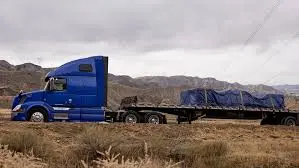
A generic motor carrier policy written without attention to the open-deck profile will look fine on the declaration page and fail the first time a load-securement event drives a claim. The differences between flatbed and dry-van insurance are concentrated in cargo form language, physical damage rating, workers compensation experience, and contractual flow-down from shippers.
The first operational reality is the securement-failure exposure. Flatbed freight is held in place by chains, straps, edge protectors, binders, and corner protectors rather than by the walls of an enclosed trailer. The
Commercial Vehicle Safety Alliance
publishes the cargo securement standards that govern the open-deck industry and trains the roadside inspectors who enforce them. CVSA inspections specifically target flatbed securement violations because the violations are visible from outside the trailer. The
FMCSA cargo securement regulations
codify the federal requirements that the CVSA inspections enforce.
The second reality is tarping injury exposure. Drivers climb on top of loaded freight, drag heavy tarps across the load, and tie down the corners. Falls from tarps are a recurring workers compensation claim pattern and the injuries tend to be severe rather than minor. The workers compensation experience modifier on a flatbed account often runs higher than on a comparable dry-van account, and the carriers that quote flatbed payrolls underwrite accordingly.
The third reality is the physical damage exposure on the trailer. Flatbeds, step-decks, double-drops, and lowboys live in harder operating environments than dry-van trailers — steel mills, lumber yards, construction sites, demolition pads — and physical damage frequency reflects the operating profile. Some specialty trucking carriers structure flatbed accounts with higher physical damage deductibles than they would on a dry-van account, which changes the premium math.
The fourth reality is the contractual flow-down from shippers and brokers. Steel mills, lumber distributors, and project-cargo shippers write specific insurance language into their master shipping agreements, including securement program requirements, photographic documentation at load and unload, and additional-insured language for the shipper and the consignee. The certificate has to mirror the contract language exactly or the broker compliance desk will hold the load.