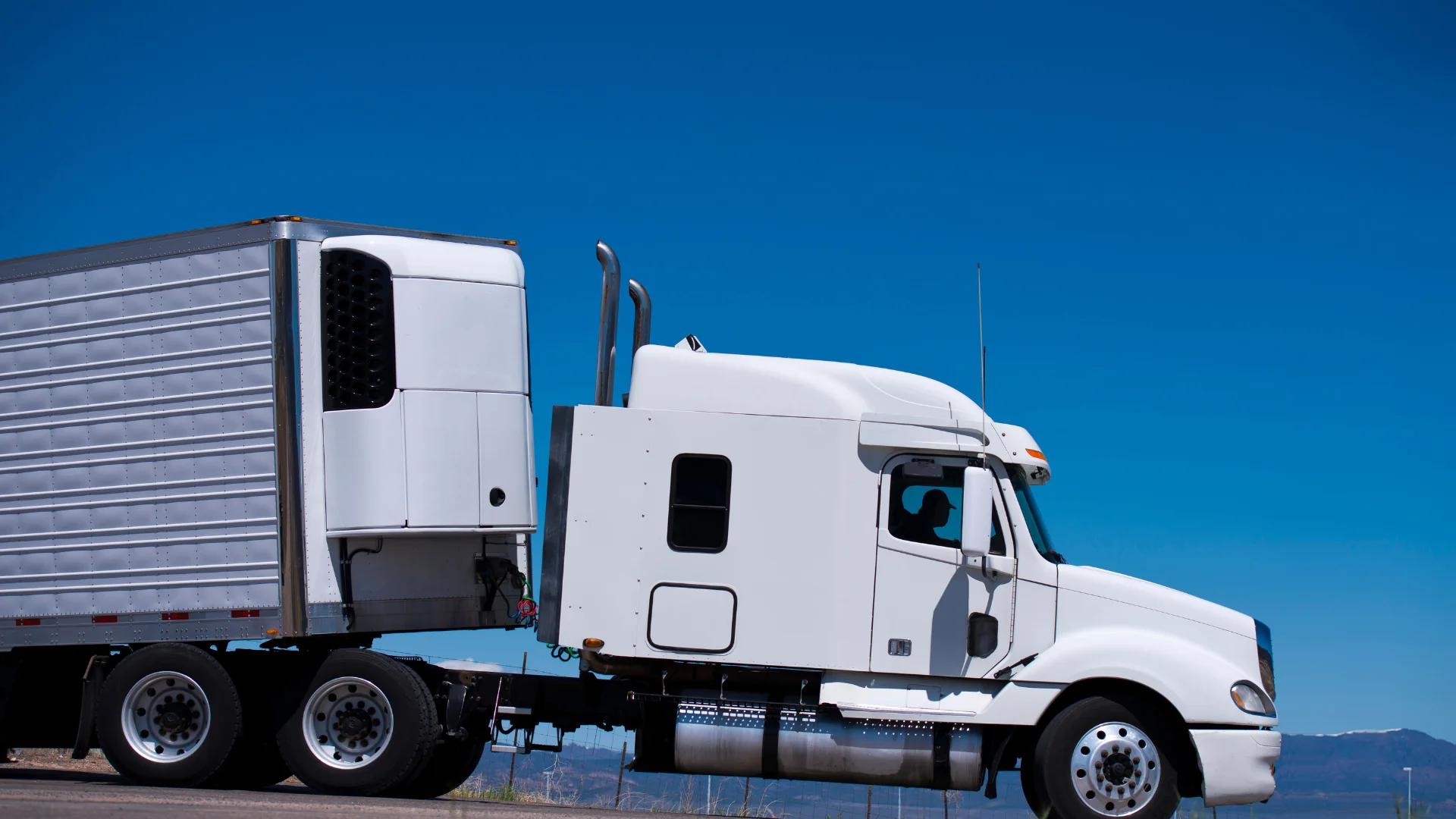
Florida trucking insurance pricing carries an extra layer of structural difficulty that most other state markets do not. Auto liability and workers compensation are both well-known as expensive lines in the Florida commercial market, and the panel of carriers willing to write a Florida-domiciled motor carrier is narrower than the panel for the same operator domiciled across the state line. The practical consequence on a Florida quote call is that renewal premium can jump after one loss year even when the loss falls within policy limits — and that is a real anxiety that Florida operators carry into every renewal conversation.
The cost drivers behind the headline are the same variables that apply everywhere, weighted heavily toward the Florida-specific exposures.
Operating geography matters most. A Miami-based refrigerated drayage operator running short city moves carries a different exposure than a Jacksonville intermodal motor carrier running I-95 north into Georgia, and a different exposure again from a Tampa Bay petroleum hauler running west to the Big Bend and east into central Florida. Hurricane corridor exposure, urban traffic-density exposure, and litigation-venue exposure all vary materially by Florida region, and the carriers in our panel rate them differently.
Equipment mix sits at the next layer. Reefer-heavy operations out of Miami, tank-truck operations out of Tampa Bay, container drayage out of JAXPORT, and dry-van OTR running the I-75 spine all sit in different rating tiers — and at different points on the panel’s appetite map. Cargo limits, deductible structures, reefer breakdown wording, and pollution liability coordination all change with equipment mix.
Claims history over the prior three to five years is the variable underwriters weigh most heavily after geography, and in Florida that weighting is heavier than in most states. A single significant at-fault auto liability loss inside the three-year window narrows the panel of carriers that will quote, and a second loss in the same window narrows it further. Re-marketing the account at renewal through an agency with specialty trucking panel depth is more important in Florida than in almost any other state.
Hurricane-season exposure is the cost driver unique to Florida and to a much smaller degree the rest of the Gulf and South Atlantic coastline. The physical damage policy on the tractor and trailer typically carries a separate named-windstorm deductible distinct from the all-other-perils deductible, and the cargo policy responds to loads stranded or rerouted during an active storm only inside the wording the policy issues with. Reviewing both deductibles before storm season, not during, is the procedural detail that decides whether a Cat 1 brushby is a paperwork inconvenience or an out-of-pocket headache.
Owner-versus-operator structure closes the picture. Florida workers compensation pricing on trucking class codes weighs heavily on the small-fleet end of the spectrum, and the decision to grow from owner-operator to small fleet carries an insurance-cost implication that is worth understanding before the second tractor lands on the policy.
We do not publish Florida premium figures on this page. Florida pricing changes faster than a website can — particularly through the back half of hurricane season — and the right answer for a Miami drayage operator is different from the right answer for a Pensacola panhandle operator at identical limits. The fastest way to a number that reflects your operation is a quote call.