
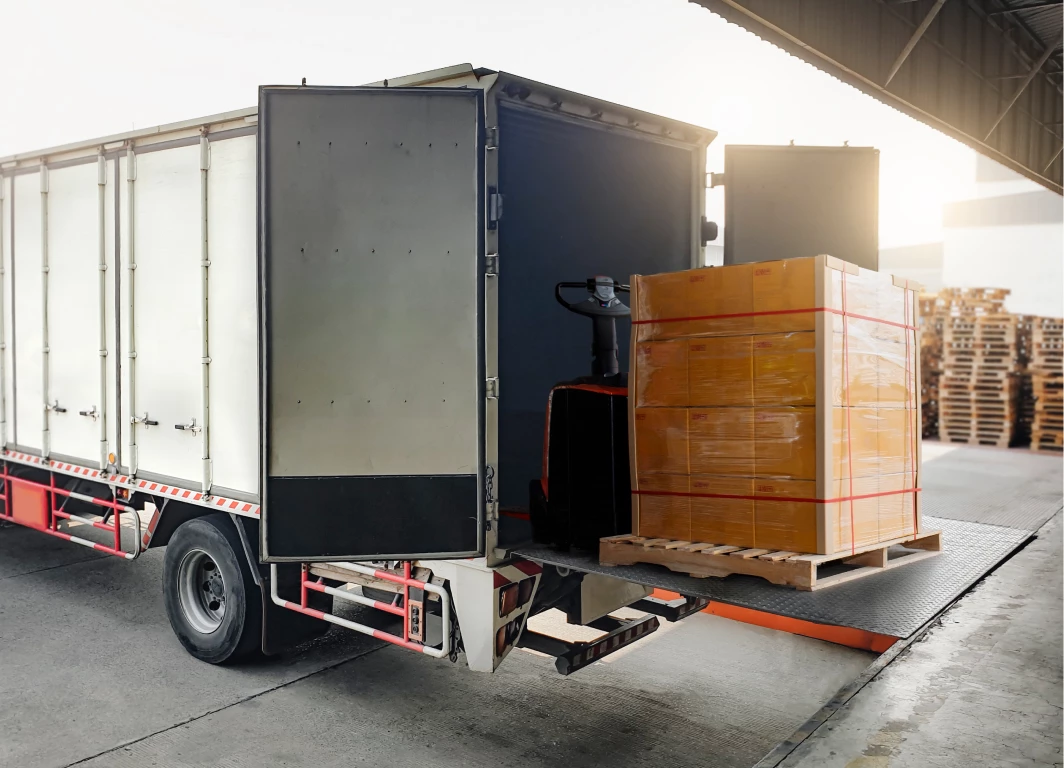

A motor carrier hauling several load types can usually insure them under one program, as long as every commodity is declared on the application, the cargo form covers each one, and the federal liability filing matches the riskiest freight in the mix. The coverage follows what you actually haul, not the truck.
This is the most common source of trouble we see with carriers who haul whatever the load board offers. The policy was written for one commodity list, and the freight moved on without it.
What changes when you haul more than one load type?
Three things: the liability limit you must carry, the cargo coverage you need and how underwriters price the risk. A carrier hauling only dry general freight has one set of answers. A carrier that also hauls a flatbed load of steel one week and a reefer load of produce the next has to make sure each of those loads is inside the policy.
The motor carrier insurance overview explains the three core coverages. This article is about making them fit a mixed commodity list.
Which federal filing applies to a mixed carrier?
The one set by your riskiest freight. Federal financial responsibility rules in 49 CFR 387.7 require for-hire carriers to carry minimum liability coverage, and 49 CFR 387.9 sets the amount by commodity. For for-hire carriage of nonhazardous property in vehicles of 10,001 or more pounds, the minimum is $750,000. The rows for oil and hazardous materials are higher.
So a carrier that hauls general freight most of the time but takes an occasional placarded load must meet the higher row for those loads. The hazmat trucking insurance page covers that class, and the article on liability limits explains why brokers ask for more than the federal floor anyway.
Does every load type need cargo insurance?
Federally, no. FMCSA’s insurance filing requirements show that for-hire property carriers file proof of liability coverage, and that a cargo filing applies to carriers of household goods. In practice, brokers and shippers require motor truck cargo by contract, so nearly every for-hire carrier buys it.
The harder question is whether your cargo form covers every commodity you haul. Cargo forms commonly list covered commodities, exclude others, or set lower limits for high-value or high-theft freight. If you haul electronics, alcohol, metals or temperature-sensitive loads alongside general freight, check how the form treats each one. The article on what motor truck cargo insurance is explains how those clauses work.
How do underwriters price a mixed commodity list?
By the share of each commodity and the risk it carries. The application asks what you haul and roughly how much of your work each commodity represents. A carrier that hauls mostly dry freight with a little flatbed work rates differently from one that hauls mostly flatbed with a little dry freight, even with the same trucks.
Underwriters also look at whether your experience matches the list. A carrier with years of flatbed work that adds refrigerated loads will be asked about reefer units, temperature records and driver training. The more specialized the new freight, the more questions come with it.
What happens when the freight you haul changes?
Tell your agent before the change, not after. Policies are written on what you declared. If you start hauling a commodity that was not on the application, a claim on that load can be questioned, and in some cases the cargo form will exclude it outright.
A mid-term change is usually handled by endorsement, and it may change the premium. That is a much better conversation than a denied claim. The article on what drives trucking insurance premiums covers how commodity changes affect the rate.
A simple habit prevents most of this. Keep a running list of every commodity your trucks haul, and review it against the policy each quarter. If a broker relationship starts sending you a new kind of freight regularly, that is the moment to call, not the renewal. Seasonal freight deserves the same attention, since a carrier that hauls produce in summer and general freight in winter is really running two operations under one policy.
Liability works the same way. If a new commodity moves you into a higher row of the federal schedule, such as placarded hazardous materials, the limit and filing must change before the first load. Your auto liability policy and its filing need to match the freight on the truck that day, not the freight you hauled when the policy was written.
What do DOT and MC numbers have to do with it?
Your USDOT number identifies your company to FMCSA, and for-hire interstate carriers also need operating authority. The insurer files proof of liability coverage with FMCSA as part of that process, and the filing has to reflect the right coverage for the freight you will haul. The article on MC numbers, DOT numbers and the BOC-3 explains the order of filings.
New carriers are often tempted to declare a narrow commodity list to keep the first-year price down, and then haul whatever pays. That is the pattern that produces denied claims. The new venture trucking insurance page covers how first-year carriers are placed.
Real-World Scenario: Picture a hypothetical carrier that applied for coverage as a dry van general freight hauler. A broker offers a well-paying load of packaged electronics, and the carrier takes it. The trailer is stolen from a truck stop overnight. The cargo form limits coverage on high-theft commodities, and electronics were not on the application. The carrier is liable to the shipper for the load, and the insurer questions both the commodity and the limit.
Does equipment change with the load type?
Often, and the equipment has to be on the policy too. A carrier that hauls dry freight in vans, flatbed loads on open decks and occasional refrigerated loads may be running three kinds of trailers. Each one needs to be listed for physical damage if you own it. A trailer you borrow or pull for a shipper is a trailer interchange question instead.
Different equipment also brings different exposures. Flatbed work adds securement and tarping, which the federal cargo securement rules in 49 CFR Part 393, Subpart I address. Refrigerated work adds the reefer unit and the temperature records that cargo claims turn on. A mixed carrier should be able to show an underwriter that its drivers are trained for each kind of load they pull.
How do brokers check a mixed carrier’s coverage?
Load by load, through the certificate and the contract. A broker tendering a refrigerated load wants to see that your cargo coverage includes reefer breakdown wording. A broker tendering a high-value load wants to see a cargo limit high enough for it. Many broker agreements also list commodities they consider excluded or restricted.
That means a carrier with a mixed list should keep a short summary of its cargo limit, deductible and key exclusions ready to send, and should read each broker agreement before accepting freight outside its usual mix. Accepting a load your coverage does not fit is a contract problem before it is ever an insurance problem.
What should a mixed carrier bring to a quote?
A real commodity list with the share of each, the highest-value load you haul for each commodity, any hazardous materials you haul even occasionally, your broker and shipper contract requirements, your equipment list and your loss runs. If you plan to add a commodity in the next year, say so now. The general freight trucking insurance page covers the most common base class.
What should you do next?
Write down every commodity you hauled in the last few months, not just the ones on your application. Then start a quote and send that list with your current policy. We will tell you which loads are inside the program and which are not.