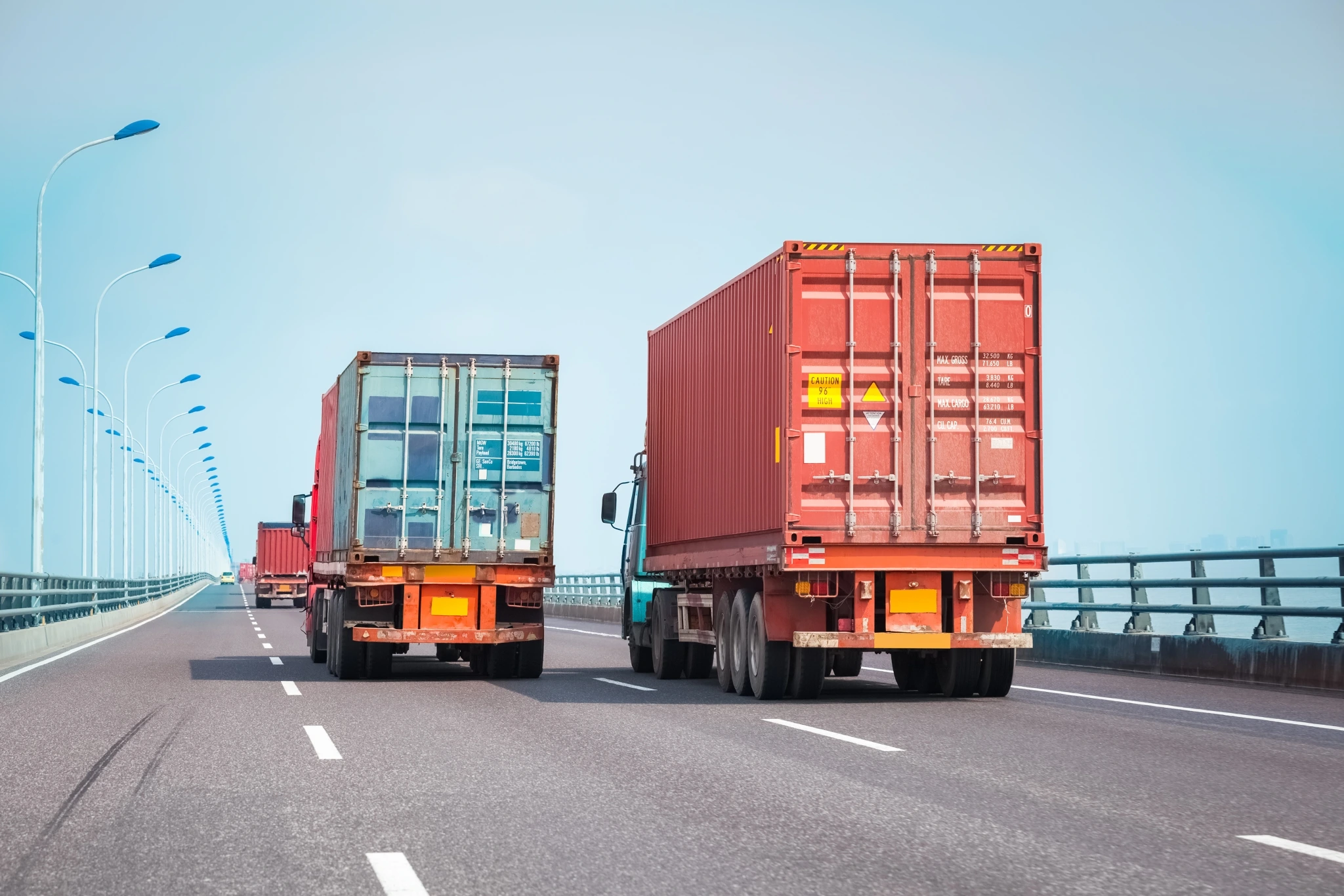
Intermodal transportation vehicle — Delaware trucking operations

States we serve · Delaware

Delaware trucking insurance

Delaware trucking sits on the I-95 Mid-Atlantic pass-through with the Port of Wilmington auto-import and refrigerated-container freight on the north end, the US-13 / US-301 Delmarva distribution growth corridor through the middle, and the Sussex County poultry-reefer base on the south — exposures that each pull the underwriting toward a different subset of the specialty motor-carrier panel. We work the markets that actually write Delaware trucking risks, not the generic commercial auto market that quotes them as an afterthought.

What trucking insurance costs in Delaware

Delaware trucking insurance pricing is driven by a small set of underwriting variables that carry more weight than the state-of-domicile entry on the application. The biggest of them is the freight mix: a dry-van operation pass-through running I-95 between the Maryland and Pennsylvania lines prices differently from a Port of Wilmington auto-import drayage operation, and both of those price differently from a poultry-reefer operation running US-13 through Sussex County. The Delaware Department of Insurance regulates carrier rates and forms, but rate adequacy on a specific risk runs through the specialty motor-carrier underwriter, not the regulator.

The second variable is corridor density. The Delaware I-95 segment is one of the shortest interstate corridors in any state — under 24 miles end-to-end — but the freight density running through it from Mid-Atlantic distribution lanes north and south is heavy enough that rear-end and low-speed merge collision frequency on filings garaged in New Castle County sits above filings garaged in Kent or Sussex counties. The US-301 distribution growth corridor through Middletown and the US-13 spine through the Delmarva agricultural belt also factor into the corridor-density calculation. Cross-state shipper-contract limits on the Mid-Atlantic pass-through lanes routinely sit well above the FMCSA financial responsibility floor at 49 CFR section 387.9.

Third, claims history is the variable that does the most work on any individual renewal. One severity claim in the last three years — particularly a bodily-injury claim with reserves above the primary limit — changes the carrier appetite list materially. The right time to plan for that is before the renewal quote round, not after. Fourth, the owner-vs-driver structure: an owner-operator running a single tractor under their own authority prices differently than a small fleet with three drivers on payroll, even before workers compensation enters the picture. We work through each of these on the quote call rather than handing back a single number that hides the assumptions behind it.

Delaware trucking regulatory framework

Delaware trucking sits inside a four-agency regulatory framework that fleet owners operating across the I-95 spine and the Delmarva agricultural corridor need to understand before binding the program. Interstate authority runs through FMCSA at the federal level; state motor carrier registration runs through the Delaware Department of Transportation; insurance carriers and policy forms are regulated by the Delaware Department of Insurance; workers compensation is administered by the Delaware Industrial Accident Board as a competitive-market system (not a state monopoly fund).

Federal authority — FMCSA, USDOT, and PHMSA

Interstate Delaware motor carriers register with the Federal Motor Carrier Safety Administration for a USDOT number and motor-carrier authority, file BMC-91 or BMC-91X public-liability proof of insurance through their carrier, and carry the MCS-90 endorsement on the auto liability policy. Hazmat operations layer PHMSA placarding, training, and routing requirements on top of FMCSA authority — and the Wilmington industrial corridor plus the Seaford chemical-industry legacy zone are the two Delaware clusters where that layer matters most.

Delaware Department of Transportation (DelDOT)

DelDOT administers motor carrier registration, IRP and IFTA processing, UCR coordination, and oversize and overweight permits across the state highway and interstate network — I-95, I-295, I-495, US-13, US-113, US-301, US-1, and the surface arterial network feeding the Port of Wilmington. Heavy-haul operators running permitted loads work directly with DelDOT on routing approvals; the compact geography of the state means many heavy-haul moves are effectively multistate operations from the first mile.

Delaware Department of Insurance (DDOI)

DDOI regulates the property and casualty carriers that write Delaware trucking auto liability, motor truck cargo, physical damage, trailer interchange, and pollution liability programs. Carrier admission, rate filings, policy form approval, and consumer complaint resolution all run through DDOI. Filings carried by the insurance carrier on behalf of the motor carrier (BMC-91, BMC-91X) sit at the federal level, but the carrier’s authority to write the policy in Delaware runs through DDOI.

Delaware Industrial Accident Board (IAB)

The Delaware Industrial Accident Board administers the state workers compensation system as a competitive market. Delaware is not a state-monopoly workers compensation state — coverage is placed through private insurance carriers, including specialty motor-carrier markets that understand interstate trucking payrolls. Owner-operators leased under 1099 arrangements raise classification questions that affect both workers compensation eligibility and audit exposure, and the IAB oversees the dispute-resolution process when a classification question reaches a contested claim.
Common trucking risks in Delaware

The Delaware risk profile splits into four distinct exposure regions that an underwriter reads off the garaging address and the lane disclosure before anything else on the application.

  • I-95 pass-through congestion claims. The Delaware I-95 segment may be short but the freight density running through it from Maryland and Pennsylvania makes rear-end and low-speed merge collision frequency on New Castle County filings materially higher than filings garaged in central or southern Delaware. The I-495 Wilmington bypass and the I-295 approach to the Delaware Memorial Bridge add another layer of congestion exposure.
  • Port of Wilmington drayage exposure. Auto-import RoRo terminals and refrigerated-container freight sheds at the Port of Wilmington operate under the Uniform Intermodal Interchange Agreement — meaning chassis-interchange liability, non-owned trailer exposure, and shipper certificate-of-insurance demands above the FMCSA financial responsibility floor are a daily underwriting reality. Single-load value concentration on auto-import freight also pushes cargo limits higher than dry-van norms.
  • Sussex County agricultural and reefer exposure. Live-haul poultry, dressed poultry, and Delmarva agricultural produce running US-13 through Kent and Sussex counties produce a temperature-controlled cargo claim profile that pulls the underwriting toward reefer-specialty markets. Live-haul load-securement and reefer-breakdown frequency are the two underwriting questions that dominate the conversation for southern Delaware operators.
  • DuPont chemical-industry legacy exposure. The Wilmington industrial corridor and the Seaford / Nanticoke chemical-industry legacy zone carry environmental-history questions on terminal-yard acquisitions and pollution liability coverage discussions that flatlands states without a chemical-industry footprint do not encounter. Hazmat motor carriers running placarded loads through these corridors need the MCS-90 endorsement and a pollution liability program that responds to cargo-release events.
  • Coastal and bay-shore exposure on US-1 and Delaware Bay. US-1 north out of Rehoboth Beach and the Delaware Bay shore towns sit close enough to the Atlantic that wind and storm-surge questions on yard property and parked equipment factor into physical damage and property pricing for fleets garaged in the resort towns or along the lower Delaware Bay shoreline.

Common Delaware trucking claims we see

The claim mix on Delaware filings runs heavier on a few specific patterns than national averages would suggest. These are qualitative — no severity figures, because severity is a function of venue, jury composition, and limit adequacy that varies too widely to summarize honestly.

  • I-95 pass-through rear-end and low-speed merge collisions in New Castle County. Stop-and-go congestion on the Delaware I-95 segment, the I-495 Wilmington bypass, and the I-295 Delaware Memorial Bridge approach produces a steady run of low-severity property-damage claims with the occasional bodily-injury claim where soft-tissue allegations layer on. The auto liability policy responds; the question is whether the limit holds against the broker-contract requirement.
  • Port of Wilmington drayage cargo and chassis-interchange claims. Auto-import and refrigerated-container drayage produce cargo-damage, chassis-interchange, and non-owned trailer claims that the standard cargo and auto forms handle imperfectly. UIIA-specific endorsements are where the underwriting attention goes, and broker-contract certificate scrutiny on these lanes runs as tight as it does at any port-of-entry market in the country.
  • Delmarva poultry-reefer breakdown and live-haul cargo claims. Live-haul poultry and dressed-poultry refrigerated lanes running US-13 through Sussex and Kent counties produce temperature-control-failure cargo claims, live-haul load-shift claims, and a small but consistent set of trailer-interior contamination claims that pull the underwriting toward reefer-specialty markets with breakdown-coverage endorsements.
  • Wilmington-corridor chemical and hazmat upset and overturn claims. Placarded chemical hauling through the Wilmington industrial corridor and the Seaford chemical-belt feeders produces upset and overturn cargo-release events that the auto liability policy does not address — the MCS-90 endorsement, the BMC-32 cargo financial responsibility filing where triggered, and a pollution liability program are the layers that actually respond.

Specific carriers are not named here per our coverage placement policy — appetite changes faster than a website can. The Truck Guard Insurance homepage lists the active panel quoting Delaware motor carrier risks today.

Why Delaware trucking owner-operators choose Truck Guard Insurance

We are a specialty trucking insurance agency, and Delaware is one of the states where the difference between specialty and generic motor-carrier underwriting shows up most plainly. The four exposure regions — Port of Wilmington drayage, the I-95 Mid-Atlantic pass-through, the Sussex County poultry reefer corridor, and the DuPont chemical-industry legacy zones — each have their own subset of carriers that want them and their own subset of carriers that decline them. Knowing which is which up front saves the application from getting bounced through markets that were never going to bind it.

We handle BMC-91 and BMC-91X filings end-to-end, issue certificates for broker compliance, and walk through MCS-90 mechanics on the quote call so the policy you bind matches the policy you thought you were binding. UIIA certificate requests for Port of Wilmington drayage — additional-insured wording, chassis-interchange terms, primary-and-non-contributory language — get handled the same day they come in when the underlying program is structured correctly at bind. When the issue is that the underlying program does not actually match what the broker is requiring, we tell you that on the quote call, not after the load gets refused.

On the regulatory side, we know which Delaware freight needs interstate FMCSA authority and which needs DelDOT intrastate registration, and we know how the Delaware Industrial Accident Board classification questions interact with the auto liability and general liability programs. We have placed Delaware poultry-reefer programs, Wilmington drayage programs, and DuPont-corridor chemical hauling programs. And we work the 48 U.S. states we are licensed in, so a Delaware-domiciled carrier running freight into Maryland, Pennsylvania, New Jersey, or Virginia gets the same agency on the renewal whether the question is Delaware or the lane.

Major Delaware trucking markets

Delaware trucking is regional — three counties, three distinct freight personalities. The metros and corridors below are the ones where we place the most motor carrier programs — each runs a distinct exposure profile that drives carrier selection.

  • Wilmington and the Port of Wilmington. The Port of Wilmington at the confluence of the Christina and Delaware rivers is a major US East Coast auto-import and fresh-fruit gateway — roll-on/roll-off vehicle terminals, refrigerated import sheds, and the I-95 / I-495 spine feed container and reefer drayage into the metro. The DuPont chemical-industry legacy across New Castle County also raises legacy site-contamination questions on terminal-yard acquisitions that mid-continent operators do not encounter.
  • Newark and the I-95 / I-295 university corridor. Newark sits at the I-95 / I-295 junction with the University of Delaware campus and a JPMorgan Chase operational footprint that drives a high-frequency parcel-feeder and financial-document lane mix into the surrounding distribution warehousing. The corridor doubles as the Maryland-line approach where multistate IFTA and IRP questions surface on the underwriting call.
  • Dover and the US-13 / US-113 capital corridor. The state capital sits on US-13 and US-113 with Dover Air Force Base on the eastern edge — military-logistics freight, government-contract hauling, and the state-government supply chain produce a sensitive-cargo and contracted-limit profile that pushes broker-required limits well above the FMCSA financial responsibility floor.
  • Middletown and the US-301 distribution growth corridor. US-301 between Middletown and the Maryland line has emerged as one of the densest distribution warehousing growth corridors on the Delmarva Peninsula over the last decade. Big-box fulfillment, parcel-feeder, and intermodal-relay freight feed the lane mix, with dock-strike property damage and lumper-handling claim frequency that runs above general-freight norms.
  • Smyrna and the central US-13 agricultural corridor. Smyrna anchors the central US-13 corridor between Dover and Wilmington with a freight base weighted toward Delaware Correctional Center supply runs, agricultural inputs feeding Kent County farms, and the small-fleet operations that fuel the central-state distribution lane mix. Two-state-line operations into Maryland are routine here.
  • Seaford and the southern US-13 DuPont legacy corridor. Seaford in Sussex County carries the legacy of the DuPont nylon-industry operations along the Nanticoke River, and the chemical-and-fiber-industry exposure base still drives an environmental-history line of questioning on terminal-yard acquisitions and pollution liability coverage discussions for fleets domiciled in southern Delaware.
  • Rehoboth Beach and the US-1 coastal corridor. US-1 north out of Rehoboth Beach feeds Delaware’s zero-sales-tax retail economy and a seasonal-hospitality freight base that swings sharply between peak summer and off-season volumes. Coastal exposure on the Atlantic side raises wind and storm-surge questions on yard property for fleets garaged in the resort towns.
  • Georgetown and the Sussex County poultry belt. Georgetown anchors Sussex County agricultural and poultry-processing freight — Mountaire Farms is headquartered in Millsboro just south — and the live-haul and dressed-poultry refrigerated lanes there generate a temperature-controlled cargo claim profile that pulls the underwriting toward reefer-specialty markets rather than dry-van programs.

Related reading

Delaware motor carriers pulling auto-import and refrigerated-container freight off the Port of Wilmington benefit from the same UIIA-specific endorsements covered on our UIIA Intermodal Trucking Insurance page — chassis-interchange, non-owned trailer liability, and the certificate-of-insurance structure shippers actually require. The I-95 Mid-Atlantic pass-through and the US-301 / US-13 distribution growth corridors through Middletown, Smyrna, and Dover are the classic General Freight Trucking Insurance submarket, and the broker-contract certificate scrutiny on those lanes runs as tight as it does in any major metro. Sussex County poultry operators and the Delmarva agricultural reefer lanes should also see the Refrigerated Hauling Insurance page for the reefer-breakdown coverage and live-haul load-securement context. And the DuPont chemical corridor through Wilmington and Seaford makes Delaware an active Fuel Hauling Insurance and chemical-hauling submarket where the MCS-90 mechanics and pollution liability conversation come up on almost every quote call.

Coverages most relevant to Delaware trucking:

Other states we serve nearby:

Primary regulatory and research sources:

Delaware trucking insurance FAQs

Does Delaware require state filings beyond FMCSA authority for interstate motor carriers?

Interstate motor carriers operating under FMCSA authority satisfy federal financial responsibility through the BMC-91 or BMC-91X filing handled by the insurance carrier. The Delaware Department of Transportation (DelDOT) administers state-level motor carrier registration, IRP, IFTA, and oversize and overweight permits, and the Delaware Department of Insurance (DDOI) regulates the carriers writing the policies. Most interstate owner-operators do not file separately at the Delaware state level beyond UCR — the home-state UCR fee covers operation in Delaware.

How does Port of Wilmington drayage change the insurance program structure?

Drayage motor carriers pulling auto-import and refrigerated-container freight off the Port of Wilmington operate under the Uniform Intermodal Interchange Agreement (UIIA), which requires specific auto liability limits and either trailer interchange or chassis-interchange coverage for non-owned equipment. The Wilmington reefer-import volume adds a temperature-controlled cargo exposure that the standard cargo form handles imperfectly, and the auto-import RoRo lanes raise high-value cargo questions on single-load value concentration.

Who regulates trucking insurance in Delaware at the state level?

The Delaware Department of Insurance (DDOI) regulates carrier admission, rate filings, policy form approval, and consumer complaints. The Delaware Department of Transportation (DelDOT) handles motor carrier registration, IRP and IFTA processing, and oversize and overweight permits across I-95, I-295, I-495, US-13, US-113, US-301, and US-1. The Delaware Industrial Accident Board (IAB) administers the workers compensation system, and Delaware is a competitive-market workers compensation state — coverage is placed through private insurance carriers.

How does the DuPont chemical-industry legacy affect Delaware trucking underwriting?

New Castle County and the Seaford / Nanticoke corridor in Sussex County carry a DuPont chemical-and-fiber industry legacy that drives environmental-history questioning on terminal-yard acquisitions, pollution liability coverage discussions, and the cargo-form selection on placarded chemical hauling. Hazmat operators running through the Wilmington industrial corridor or south to the Chemours plants need the MCS-90 endorsement on the auto liability policy and pollution liability coverage that responds to cargo-release events the auto policy does not address.

Are Delaware trucking insurance premiums higher than the surrounding Mid-Atlantic states?

Delaware premiums sit toward the lower end of the Mid-Atlantic range — generally lower than New Jersey and comparable to Maryland and Pennsylvania on dry-van work. The I-95 pass-through density drives the urban-corridor rate, while the central and southern Delmarva counties pull the average back. Specific pricing depends on authority type, equipment, lane mix, driver experience, and loss history — and the cargo class (poultry reefer, drayage, chemical hauling) shifts the rate more than the state-of-domicile entry on the application does.

How does the Sussex County poultry corridor affect refrigerated-hauling insurance?

Live-haul and dressed-poultry refrigerated lanes running US-13 through Sussex County into the broader Delmarva poultry belt produce a temperature-controlled cargo claim profile that pulls the underwriting toward reefer-specialty markets. Reefer-breakdown endorsements, temperature-recorder documentation, and load-securement on live-haul trailers all factor into the cargo-form selection. The Sussex County and Eastern Shore Maryland poultry corridors are effectively a single underwriting submarket from the cargo-form perspective.

Do hazmat motor carriers running the DuPont chemical corridor need additional filings?

Hazmat motor carriers running placarded loads through the Wilmington industrial corridor, the Seaford Chemours plants, or the Mid-Atlantic chemical-belt feeders need the BMC-32 cargo financial responsibility filing where the commodity triggers it, the MCS-90 endorsement on the auto liability policy, and pollution liability coverage that responds to upset and overturn events the auto policy does not cover. PHMSA placarding, training, and routing requirements stack on top of FMCSA authority. We place this program regularly for Delaware-domiciled chemical haulers.

How fast can you turn around a Delaware trucking insurance quote?

For straightforward general-freight operations with clean MVRs, two-to-three years of verifiable experience, and current FMCSA authority, we typically have quotes back in one to two business days and can bind the same day quotes return if the paperwork is complete. Port of Wilmington drayage, Sussex County reefer, and DuPont-corridor hazmat programs take longer because fewer markets write them and the underwriting questions run deeper. Renewal premium jumping after one loss year is a conversation we are happy to have at the start, not at the bind.

Get a Delaware trucking insurance quote

Send the basics on your authority, equipment, commodity, and Delaware lane mix. We pull the panel of specialty trucking markets quoting your class and corridor today and walk you through limit selection, MCS-90 mechanics, UIIA endorsements where Port of Wilmington drayage applies, and broker compliance before you bind.