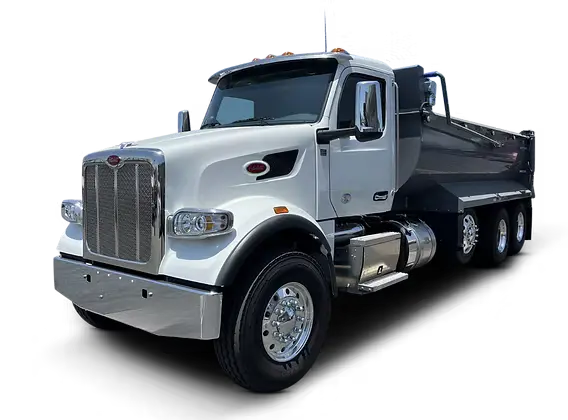
Two calculations run at once, and the truck takes the better one
IC 9-20-4-1(a) states the modern schedule. Gross weight on a group of two or more consecutive axles is produced by the bridge formula written out in full in the statute, subject to an 80,000-pound overall ceiling and to the familiar carve-out letting two consecutive tandem sets reach 34,000 pounds apiece once they are spread far enough apart. A tandem axle group is capped at 34,000 pounds total and 20,000 pounds on an individual axle within it, and wheel weight at 800 pounds per inch width of tire, “measured between the flanges of the rim,” or an axle weight of 20,000 pounds.
Subsection (c) then supplies a parallel and older set of numbers, and states the relationship between the two in the statute’s own words: “The greater of the weight limits imposed under subsection (a) or this subsection applies to vehicles operated upon a highway.” The preserved limits are those in effect on January 4, 1975 — total gross weight not exceeding 73,280 pounds, tandem axle group weight not exceeding 16,000 pounds for each axle of a tandem assembly, and a wheel weight of 800 pounds per inch of tire width or an axle weight not greater than 18,000 pounds.
That resolves what otherwise looks like a contradiction in Indiana’s numbers. Both an 18,000-pound and a 20,000-pound axle figure correctly describe Indiana: 20,000 pounds under the ordinary schedule, 18,000 pounds as the alternative axle ceiling inside the preserved calculation. A short-wheelbase configuration the formula would penalize takes the older result instead, and no election is required — the greater limit simply applies.
There is a scope condition on the alternative that does not appear in the state’s agency summary at all. Subsection (c) preserves those limits only “for any highway that is not designated as a heavy duty highway under IC 9-20-5.” On a designated heavy duty highway the older calculation is unavailable and the ceilings are the ones INDOT fixes for that road. Chapter 5 requires INDOT to adopt rules under IC 4-22-2 to designate such highways, bars designation unless it finds the road so constructed and maintainable, or in such condition, that heavy duty use “will not materially decrease or contribute materially to the decrease of the ordinary useful life of the highway,” and requires a periodically published map of every designated highway.
Two allowances sit on top of the schedule: under IC 9-20-4-1(b)(5) a heavy-duty vehicle with an auxiliary power unit gains 400 pounds, and under (b)(6) a vehicle using natural gas as a motor fuel gains 2,000. A fourth parallel regime applies on toll roads, where under (b)(4) vehicles are subject to INDOT rules adopted under IC 8-15-2 and not to subsection (a) at all.
- Ordinary schedule: 80,000 lb gross ceiling, 34,000 lb tandem group, 20,000 lb individual axle in a tandem group.
- Wheel weight: 800 lb per inch of tire width, measured between the flanges of the rim (IC 9-20-4-1(a)(3)).
- Preserved January 4, 1975 alternative: 73,280 lb gross, 16,000 lb per axle in a tandem, 18,000 lb axle ceiling.
- The greater of the two applies — but the alternative is unavailable on a designated heavy duty highway.
- Auxiliary power unit: +400 lb. Natural gas fuel: +2,000 lb (IC 9-20-4-1(b)(5)–(6)).
- Toll road facilities run on a separate INDOT rule set under IC 8-15-2.