Four commodities got their own section, and one of them is not what it looks like
Iowa Code 321E.26 covers raw forest products, and it is a genuine divisible-load overweight permit. The department may issue annual permits for vehicles “transporting divisible loads of raw forest products from fields to storage, processing, or other commercial facilities,” and the combined gross weight or the weight on any axle or group of axles “may exceed the maximum weights specified in section 321.463.” The commodity is then closed off by definition: raw forest products means “logs, pilings, posts, poles, cordwood products, wood chips, sawdust, pulpwood, intermediary lumber, fuel wood, mulch, tree bark, and Christmas trees not altered by a manufacturing process.” There is no aggregate in that list and no room in it for any.
Iowa Code 321E.29B covers fluid milk products and is the heaviest of the set. Notwithstanding the general annual permit section, the department may issue annual permits for vehicles transporting fluid milk products to or from a milk plant, receiving station or transfer station, “exceeding the weight limitation of section 321.463 but not exceeding a gross weight of ninety-six thousand pounds, on primary roads and primary road extensions in cities.”
Iowa Code 321E.29A covers raw milk transporters — and it is worth stating precisely what it does, because its placement alongside the others invites a reading its own text will not support. It authorizes annual permits for a raw milk transporter to move raw milk to or from a milk plant, receiving station or transfer station, and then provides that the combined gross weight or the weight on any axle or group of axles of the motor truck “shall not exceed the limits established under section 321.463.” It confers no weight above the general limit at all. Section 321E.7(1)(c) confirms the same thing from the other direction, holding raw milk transporters to “the axle and gross weights specified in that section.” What the raw milk permit actually supplies is authority for the issuing body to specify weight limits or routes for each transporter — a routing instrument, not an overweight one.
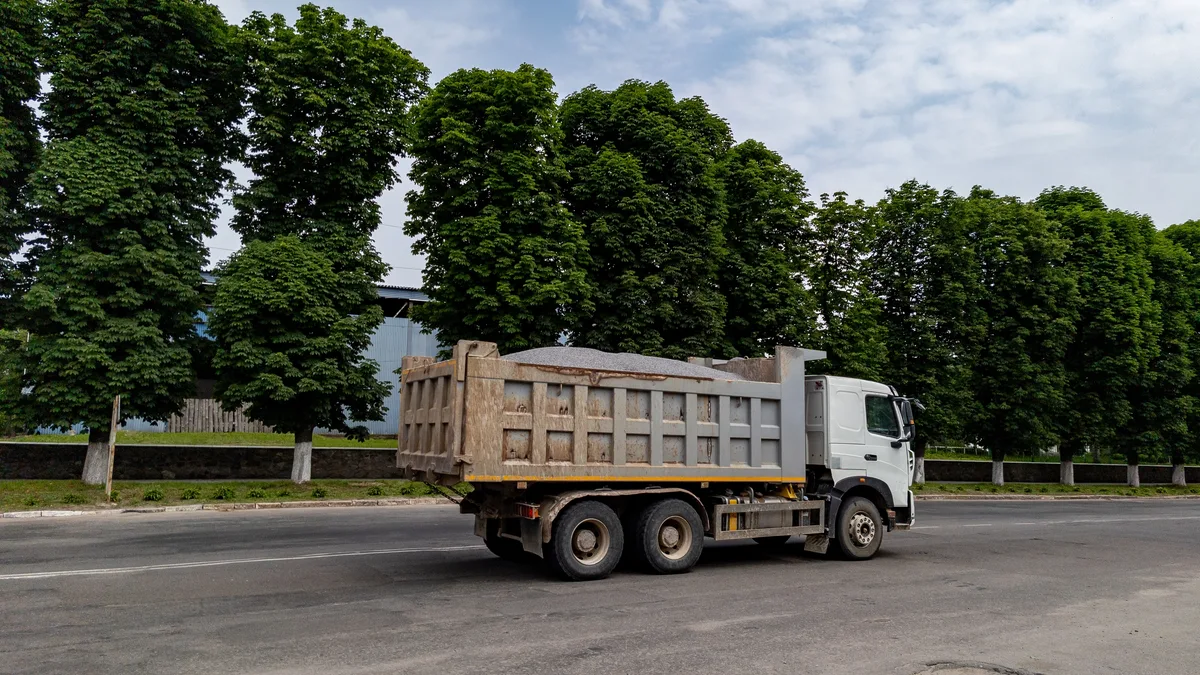
So the accurate statement of Iowa’s position is slightly sharper than a simple count suggests. Four commodities hold their own named permit section in chapter 321E. Three of those sections — forest products, fluid milk and compacted rubbish — carry weight above the general limit in section 321.463. One does not. Aggregate holds none of the four, and is not named anywhere in the chapter.
- Raw forest products: divisible-load annual permit above 321.463, closed commodity definition (321E.26).
- Fluid milk products: annual permit above 321.463 to 96,000 lb on primary roads (321E.29B).
- Raw milk: annual permit that expressly may NOT exceed 321.463 — routing authority, not weight (321E.29A, 321E.7(1)(c)).
- Compacted rubbish: annual permit above 321.463 with its own axle figures (321E.30).
- Aggregate, sand, gravel, quarry and spoil appear nowhere in the chapter.