The annual overload permit is a purchase, and the percentages are what it buys
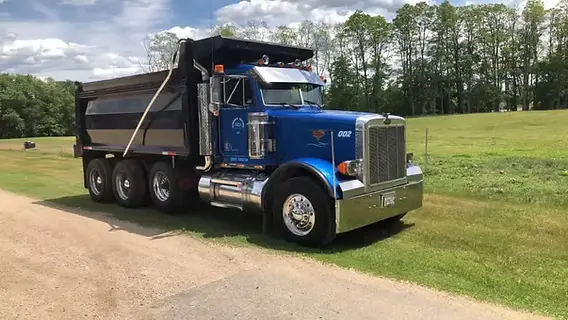
47 O.S. § 14-109(D) runs a commodity-scoped annual permit, and the commodity list is written into the statute rather than into a rule. The 2022 text lists vehicles transporting “roll-off recycle metals, rock, sand, gravel, coal, flour, timber, pulpwood, and chips in their natural state, oil field fluids, oil field equipment or equipment used in oil and gas well drilling or exploration,” together with grain, fertilizer, cottonseed, cotton, livestock, peanuts, canola, sunflowers, soybeans, feed, and other raw or unprocessed agricultural products.
Four conditions attach, and every one of them is numeric or documentary:
The permit itself is a purchase with a stated price. Paragraph 2 requires the vehicle to register for the maximum allowable rate and then to buy “a nontransferable annual special overload permit” for a fee of Three Hundred Fifty Dollars ($350.00), with all monies deposited to the credit of the Highway Construction and Maintenance Fund. The parallel provision for utility and refuse collection vehicles and for wrecker or tow combinations, at subsection (I), sets a One Hundred Dollars ($100.00) annual special overload permit on the same deposit terms.
The distinction that matters for an underwriter is that the five and eight percent figures are what the permit authorizes, not a margin the law extends to everybody. They are bought annually, per vehicle, against a registration at the maximum allowable rate, and they are unavailable on the Interstate system. A file showing loaded weights a few percent over the ordinary limits is either a file with a current annual permit in it or a file with a violation in it, and the permit is the document that tells the two apart.
The refuse and utility exception at subsection (F)(1)(a) works differently again: gross vehicle weight for a utility or refuse collection vehicle “may not exceed the otherwise applicable weight by more than fifteen percent (15%),” with weight on individual axles capped at “the manufacturer’s component rating which includes axle, suspension, wheels, rims, brakes, and tires as shown on the vehicle certification label or tag,” and with interstate highways excluded. That is a fifteen percent allowance tied to a component rating, and it belongs to a different vehicle class from an aggregate dump.
- The vehicles are registered for the maximum allowable rate.
- The vehicles do not exceed five percent (5%) of the gross limits set forth in subsection A of the section.
- The vehicles do not exceed eight percent (8%) of the axle limits set forth in subsection A of the section.
- No component exceeds the manufacturer’s component weight rating shown on the vehicle certification label or tag.
- The vehicles “will not be allowed to operate on the National System of Interstate and Defense Highways.”