
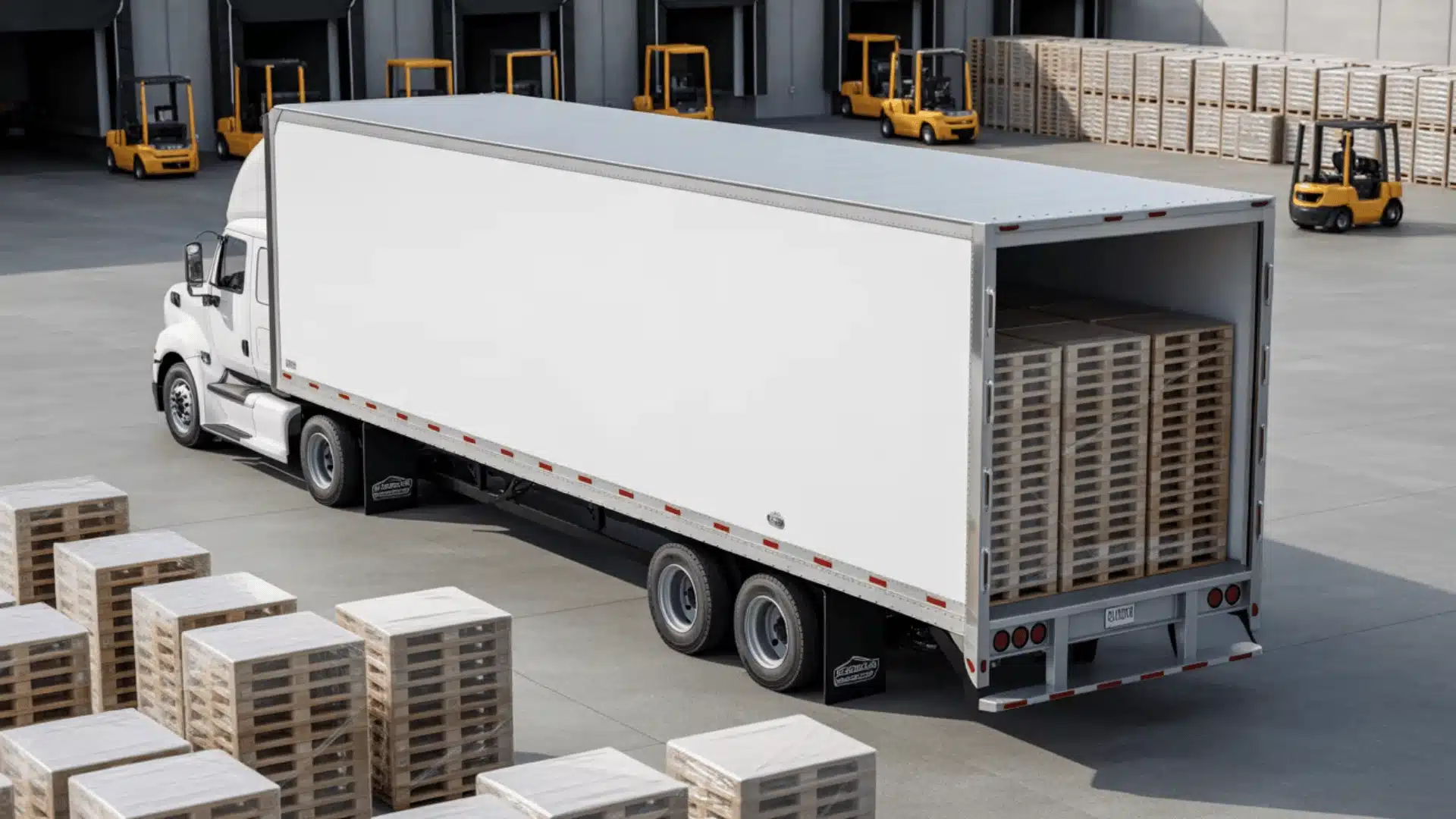

Car hauler insurance in South Carolina is a motor carrier program whose cargo form is written for vehicles, paired with auto liability and physical damage on the truck and trailer. The cargo wording is the part that decides most claims, and for equipment kept near the coast, the storm deductible on physical damage is the second thing to read.
The South Carolina trucking insurance page covers the state, and the article on auto hauler insurance and what car haulers carry covers the class nationally. This article puts the two together for an operator hauling vehicles on South Carolina lanes.
What is car hauler insurance?
It is the set of coverages a for-hire carrier needs to move vehicles for someone else: dealers, auctions, lenders, rental companies or private owners. Trucking auto liability answers for injury and damage to other people from operating the rig. Motor truck cargo answers for the vehicles you are hauling. Physical damage covers your truck and your trailer.
The difference from general freight is that the cargo is itself a vehicle. It can be scratched, dented or damaged in ways a pallet of boxes cannot, and the damage usually happens at the ramp, not on the highway.
Does your cargo policy actually cover vehicles?
Ask before you haul, because some forms do not cover vehicles as cargo without an endorsement, and some cover them with conditions. There are three questions. Does the form cover vehicles at all? Does it have a per-vehicle limit as well as a per-load limit? And how does it treat damage that happens while vehicles are being loaded or unloaded?
The what is motor truck cargo insurance article explains how a cargo form is built, which helps when you read the vehicle wording.
Who are you liable to when a vehicle is damaged?
The owner of the vehicle, and often the dealer, auction or lender that hired you. Their contract may say what you owe and how fast. Federal law adds a baseline for interstate moves: under 49 U.S.C. 14706, a carrier that issues a receipt or bill of lading is liable for the actual loss or injury to the property. Port and regional freight carriers can read trucking insurance in Charleston, SC.
That is why condition reports matter so much in this class. A photo of each vehicle at pickup and at delivery is the evidence that settles most disputes about whether a scratch was there before you loaded it. Keep the photos with the bill of lading.
Delivery is the other half. Have the person receiving each vehicle walk around it and sign the condition report before the driver leaves. A dealer lot after hours, with keys left in a drop box and nobody to sign, is where many disputes begin, because the first person to inspect the vehicle may do so the next morning. If after-hours drops are part of the job, agree in writing how condition will be recorded and who bears damage discovered later.
If you have employees, workers’ compensation in South Carolina runs through the state’s Workers’ Compensation Commission, as the South Carolina page explains, and loading vehicles onto a multi-level trailer is work where drivers get hurt.
How does securing vehicles change your exposure?
It is where much of the road risk sits. Federal rules include specific securement requirements for automobiles, light trucks and vans in 49 CFR 393.128, on top of the general securement rules. A vehicle that shifts or comes loose is a cargo claim, and if it leaves the deck and strikes someone, it is an auto liability claim as well.
A securement violation written on a roadside inspection report also follows the carrier into its safety record, as the article on whether a written warning affects your CSA score explains.
What makes South Carolina different for a car hauler?
Two things from the South Carolina page matter most. The first is storm exposure on the coast. Physical damage policies for coastal-domiciled equipment along Charleston, the Grand Strand and the Lowcountry often carry a named-storm percentage deductible instead of a flat one. A car hauler that keeps a loaded trailer near the shore needs to know how that deductible works and what the policy expects before a storm.
The second is the freight geography. The state page describes the automotive supplier base along I-85 in the Upstate, the Port of Charleston on the coast, and the I-95 corridor through the Pee Dee. A hauler moving vehicles between those points runs a mix of interstate and in-state lanes. Oversize moves and permits are handled by SCDOT, which publishes its oversize and overweight permit rules.
Real-World Scenario: Picture a hypothetical owner-operator with a wedge trailer who hauls vehicles for a dealer group between the Upstate and the coast. A tropical storm comes through while a loaded trailer is parked near the shore overnight. Two vehicles are damaged by flying debris. The cargo form covers vehicles but has a condition for unattended loads, and the physical damage policy on the trailer has a named-storm percentage deductible the owner never noticed. Both policies respond, and the owner pays more than expected on each.
What changes when you haul for auctions or lenders?
The condition of the vehicle becomes harder to know. A dealer’s new inventory usually arrives clean and documented. A unit from an auction or a lender may not run, may have existing damage, and may be picked up from a lot with nobody present to sign for it. Every one of those facts makes a later damage dispute harder to settle.
That is why the pickup routine matters most for this work. Walk around each vehicle, photograph every side, and note existing damage on the paperwork before it goes on the deck. If a unit does not run, record how it was loaded and with what equipment, since a winch or a forklift raises its own loading questions. If you take keys or documents, record those too.
Contracts in this part of the business often set their own rules for claims, such as how quickly damage must be reported and what proof is required. Read them before you accept the work, and send them to your agent so the cargo form can be checked against them. A contract that asks you to pay for damage your cargo form excludes is a promise you would be keeping out of your own pocket.
Non-running vehicles also bring a general liability question. If your driver moves a unit around a lot or a customer’s property before it is loaded, an injury or property damage from that work may fall outside both the auto and the cargo forms. The general liability for trucking operations article explains where that coverage fits.
What do underwriters ask a South Carolina car hauler?
They ask what kind of trailer you run, how many vehicles you carry at once, and what those vehicles are worth. A load of new vehicles from a dealer is different from older units out of an auction. Expect questions about who loads the vehicles, where the equipment is kept overnight, your driver experience and your loss history.
They will also ask whether you hold your own authority or lease to another carrier. A new authority hauling vehicles is placed differently, and the page for new venture trucking insurance in South Carolina covers that side. If you also run other freight, such as flatbed or hot shot loads, the page for hot shot trucking insurance in South Carolina covers the light-combination work.
What should a South Carolina car hauler check before the next load?
Four things. Confirm the cargo form covers vehicles, with a per-vehicle limit that fits the most valuable unit you haul. Read how it treats loading damage and what the deductible means for small claims. If you keep equipment near the coast, read the storm deductible on physical damage. And make sure drivers know the vehicle securement rule and photograph every unit at pickup and delivery.
What should you do next?
Gather your dealer or auction contracts, a description of your trailer, and the most valuable vehicle you have hauled in the last year. Then start a quote and send them. We will tell you whether your cargo form, limits and deductibles fit the vehicles you actually move in South Carolina.