
Commercial transportation insurance for a logistics company depends on what the company actually does, not on what it calls itself. Hauling freight under your own authority calls for a motor carrier program. Arranging freight for other carriers calls for broker coverages. Holding goods in a warehouse calls for coverage on goods in storage. Many logistics companies do two or three of those, and each role needs its own line.
The general freight trucking insurance page covers the motor carrier side. This article sorts the roles and shows where they overlap.
What if you haul freight yourself?
Then you are a motor carrier for those loads, and you need the carrier program: auto liability, motor truck cargo, physical damage on your equipment and general liability. If you have employees, add workers’ comp. For drivers, it usually runs around $1,500-$2,500+ per $50,000 in payroll. That is a typical range, not a quote, and the state, the classification and your loss history move it.
A for-hire carrier in interstate commerce also has federal insurance filings, covered in the article on BMC-91 and MCS-90 filings.
What if you arrange freight for others?
Then for those loads you are acting as a broker. A broker with FMCSA authority files financial security with the agency, either a surety bond or a trust, under the broker rules in 49 CFR Part 387, Subpart C. FMCSA’s page on broker authority explains the registration.
Beyond the filing, many brokers carry contingent auto liability and contingent cargo. Those respond when a shipper or injured party comes after the broker and the hauling carrier’s own policy does not pay. Errors and omissions coverage answers mistakes in the brokering itself. The article on broker vs. dispatcher vs. factor explains how those roles differ.
What if you store goods?
Goods sitting in your warehouse are not in transit, so motor truck cargo usually does not cover them, or covers them only for a short time incidental to the move. Coverage for goods in storage is a warehouse legal liability question, written separately. Warehouse property, equipment and the people working there are their own lines too.
The gap shows up when a company runs both trucks and a cross-dock. Freight that sits on the dock overnight between trucks can fall between the cargo form and the warehouse coverage. Ask how each one treats freight at rest on your premises.
Where do the roles overlap?
Most often in the paperwork. A company that brokers some loads and hauls others under one name can confuse shippers about who the carrier is on a given load, and the answer decides which policy responds. Clear rate confirmations and bills of lading that name the actual carrier settle it.
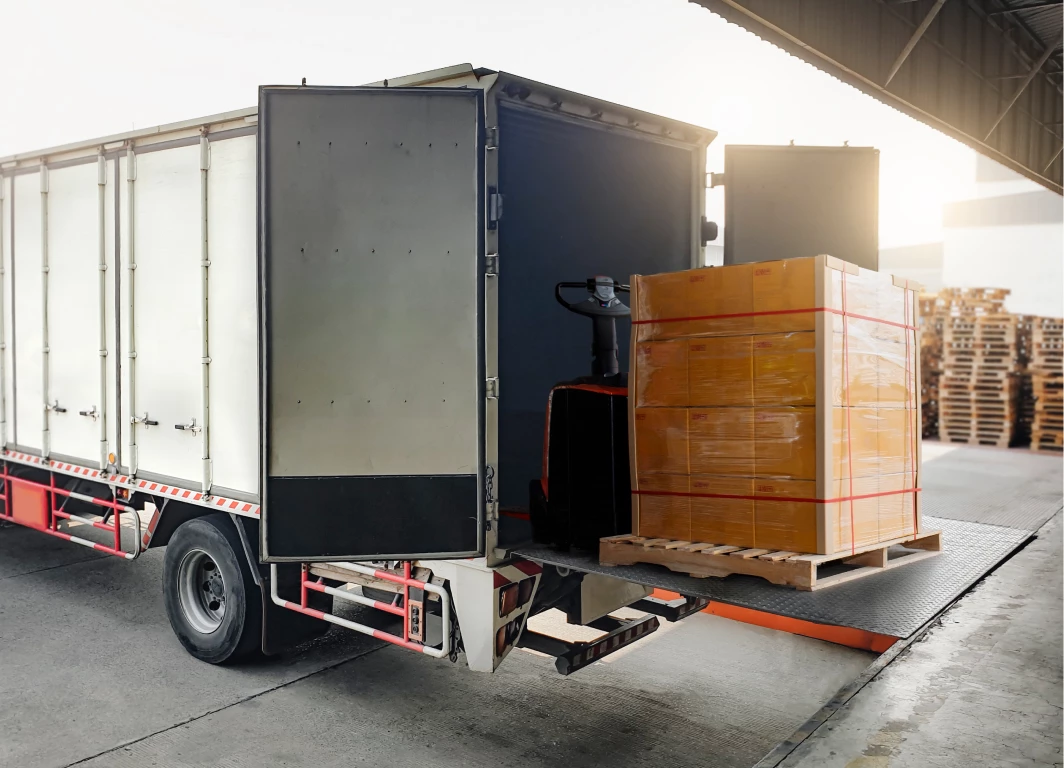
The second overlap is loading. The article on loading and unloading insurance coverage explains why damage at the dock is a hard boundary between auto, cargo and general liability.
Real-World Scenario: Picture a hypothetical logistics company that runs ten trucks under its own authority and brokers overflow loads to outside carriers under the same company name. A brokered load is stolen from an outside carrier’s trailer. The outside carrier’s cargo policy denies the claim under a theft exclusion. The shipper believed the logistics company was the carrier, because the paperwork never said otherwise, and sues it. The company’s own cargo policy covers loads on its trucks, not brokered loads, and it carries no contingent cargo.
What do underwriters ask a logistics company?
They ask for the split: how much revenue comes from hauling, how much from brokering, how much from storage. They ask whether the company operates under one name or several entities, and which entity holds which authority. They read the rate confirmations and bills of lading you use, because those documents decide who the carrier is on each load.
For the brokerage side, expect questions about carrier vetting: how you check authority, insurance and safety records before you tender a load, and how you track certificates. A broker with a written vetting process is a better contingent cargo risk than one without.
For the warehouse side, expect questions about the building, its fire protection, the goods stored, and the contracts you sign with the owners of those goods.
Should the roles be separate companies?
Some logistics companies split hauling, brokering and warehousing into separate entities, each with its own insurance. That can make the paperwork cleaner and the coverage easier to match. It also adds cost and administration. It is a business and legal decision first, and one to make with your attorney and accountant, but your agent can tell you how each structure would be insured.
What should you do next?
Write down every role your company plays, with a rough share of revenue for each. Then start a quote and send that list with your authority details and contracts. We will tell you which coverages each role needs and where your current program overlaps or leaves a gap.