
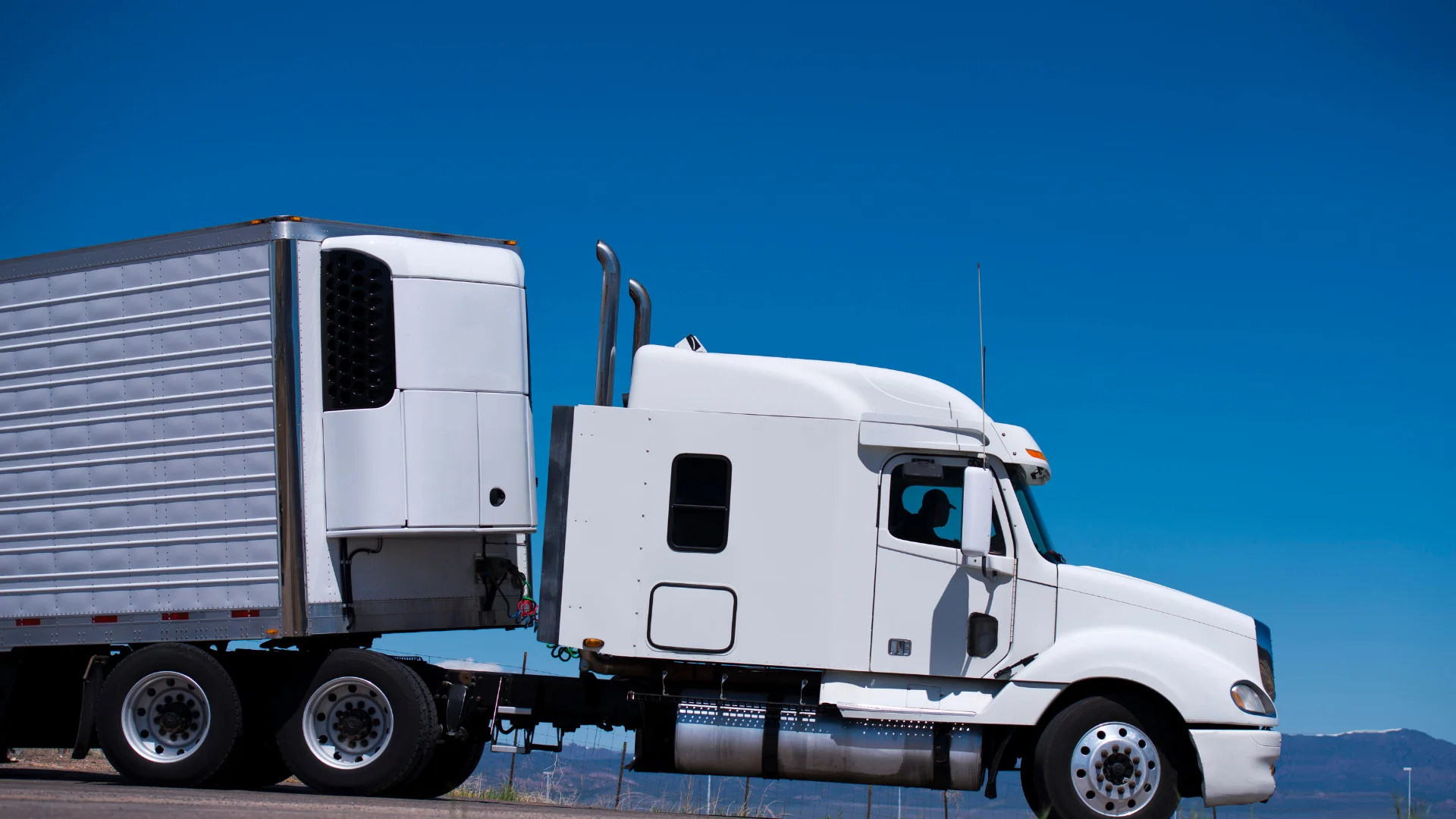

Milk hauler insurance is a tank truck program built around a question most trucking policies never ask: who pays when a load of milk is rejected or contaminated. It combines auto liability, cargo written for bulk milk, physical damage on the tractor and tank trailer, general liability and, once you have employees, workers’ compensation.
Most of that is standard. The cargo form is not, and it is where a milk hauler’s insurance either works or fails.
What is milk hauler insurance?
It is the set of coverages a for-hire bulk milk hauler needs, and four of them are the same ones every motor carrier buys. Auto liability answers for injury and damage to others from operating the truck, and the Insurance Information Institute’s overview of business vehicle insurance covers the basics of that policy. Motor truck cargo answers for the milk. Physical damage covers your tractor and tank trailer. General liability covers your operations away from the truck, including on the farm and at the plant.
Add workers’ compensation when you have employees. The overview in what motor truck cargo insurance is explains how a cargo form is built, which helps with the next section.
Why is cargo the hard part for a milk hauler?
Because milk can become worthless without a crash. Dry freight is usually lost to something you can see, such as a collision, a fire or a theft, and cargo forms are written around causes of loss like those. Milk is perishable, it is tested when it is delivered, and a route truck usually collects from more than one farm into the same tank. A problem with one pickup can become a problem with the whole load.
A cargo form may cover the listed causes and say nothing about the ones a milk hauler worries about. Ask your agent four questions, and ask to see the wording behind each answer:
- Is a load covered if the plant rejects it after testing?
- Is contamination covered, and does it matter where the contamination came from?
- Is spoilage covered if a breakdown or a delay keeps the truck on the road too long?
- Who pays to dispose of a rejected load and to clean the tank afterward?
The article on reefer breakdown coverage covers the temperature side of that question for refrigerated freight, and much of its reasoning carries over.
Who is liable when a load of milk is rejected?
Start with the contract. Most milk is hauled under an agreement with a cooperative, a plant or a farm, and that agreement usually says what the hauler owes when a load is lost. Some contracts hold the hauler responsible for the full value of the load, and some limit it.
For freight moving between states there is also a federal rule. Under 49 U.S.C. 14706, a carrier that issues a receipt or bill of lading is liable for the actual loss or injury to the property. Milk routes that stay inside one state follow that state’s law and the contract, and this article does not restate state law.
The point for insurance is that your liability and your coverage are two separate things. The contract and the law decide what you owe. The cargo form decides whether your insurer pays it. A hauler can owe for a load that the policy does not cover.
What does the pickup at the farm mean for your insurance?
It means you are doing more than driving. A bulk milk hauler commonly measures the milk, takes a sample and decides whether to accept it before pumping it into the tank. Those are judgment calls, and a wrong one can spoil more than one farm’s milk.
The FDA publishes the Grade “A” Pasteurized Milk Ordinance, the federal reference for how Grade A milk is handled, and state dairy regulators set the licensing and sampling rules that haulers work under. This article does not restate them. Confirm yours with your state’s dairy regulator.
The insurance question is whether a mistake in that work is covered anywhere. Cargo forms cover the freight for listed causes, and general liability forms commonly exclude property in your care. Ask your agent which policy, if any, responds when the claim is that the hauler accepted milk that should have been refused.
What about the tank trailer and the equipment on it?
A milk tank trailer is specialized equipment, and it should be listed on the policy as what it is. Physical damage covers the tractors and trailers you own that are named on the schedule. Ask whether the pump, hoses and other mounted equipment are part of the insured unit or need to be listed, and get the answer in writing.
If the cooperative or the plant owns the trailer and you pull it, your own physical damage coverage does not reach it. That is a trailer interchange or non-owned trailer question, and the answer depends on the agreement you pull the trailer under. Tell your agent who owns every trailer on your routes.
What if you haul under someone else’s authority?
Then the lease or the hauling agreement decides who insures what. Some milk haulers run under their own authority and contract directly with a cooperative. Others lease a tractor and driver to a larger carrier. For a lease to an authorized carrier, the federal lease rules in 49 CFR 376.12(j) require the lease to state the carrier’s obligation to maintain public liability coverage and to specify who provides any other insurance.
Read that section before you buy anything. If the carrier covers liability while you are under dispatch, you may still need coverage for the time you are not, and the article on non-trucking liability and bobtail coverage explains that gap. Cargo is the part to ask about by name, because a lease that is silent on a rejected load leaves the question open.
Does a spilled load need pollution coverage?
It can. A milk tanker is not underwritten the way fuel hauling is, so haulers often assume the question does not apply to them. But a tank of milk spilled into a ditch or a stream can still bring a cleanup demand, and a cargo form pays for the cargo, not for the cleanup. Whether your auto liability policy responds to a spill from a crash, and whether you need separate pollution liability, depends on the wording. Ask the question before you need the answer.
What do underwriters ask about a milk route?
They ask about the driving, because it is hard driving. Milk is picked up on a schedule whatever the weather, on farm lanes and rural roads, and a tank that is partly full handles differently from one that is full or empty. Underwriters want to know how much tank experience your drivers have, how far your routes run, and what your loss history looks like.
They will also ask for the contract. It tells them what you have agreed to be responsible for, and it is the only way to judge whether the cargo form fits. Milk hauling sits beside the other agricultural classes we place, such as livestock hauling, where the cargo wording matters in the same way.
Real-World Scenario: Picture a hypothetical hauler who collects from several farms on a morning route and delivers to a plant. The plant tests the load on arrival and refuses it. The cooperative’s contract makes the hauler responsible for a rejected load and for disposing of it. The hauler’s cargo form covers collision, overturn and fire, and none of those happened. The truck was never in a crash, and the hauler still owes for the load and has no coverage for it.
What should a milk hauler bring to a quote?
Bring the contract first. Then bring a list of tractors and tank trailers showing who owns each one, your routes and the area you cover, your drivers and their tank experience, and your loss history. If you are a new operation, the page for new venture trucking insurance explains how a carrier without a history is placed.
What should you do next?
Read the part of your hauling contract that covers a rejected or lost load, and mark it. Then start a quote and send it with your equipment list. We will read the cargo form against that clause and tell you where the two do not match.