
A new Missouri trucking company has no loss runs, so underwriters price it on what they can see: the driver’s record and experience, the truck and trailer, the freight, the lanes, and the safety setup. For a new owner-operator with one truck, liability, cargo and physical damage usually run around $7,000-$12,000+ a year, as a typical range rather than a quote. You cannot create history. You can present those facts completely and honestly, and a well-built application gets better terms than a thin one.
The Missouri new venture trucking insurance page covers state rules for new carriers, and the Missouri trucking insurance page covers the state. This article is about what replaces history in the underwriter’s file.
The driver: record and experience
The driver’s motor vehicle record and years of CDL experience carry the most weight. Experience with the same kind of equipment and freight you plan to haul counts more than general driving years. A driver who spent several years pulling reefers for a fleet is a different new venture from one who just earned a CDL.
Document it: employers, dates, equipment and freight. Underwriters cannot credit experience they cannot see.
The truck and trailer
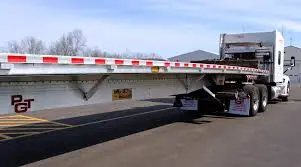
Age, type and condition. Newer equipment with safety features reads better than an older unit with an unknown maintenance history. Unusual trailers or bodies narrow the markets that will quote. If you have not bought yet, quote two or three options before you commit. The article on how much it costs to start a trucking company puts insurance beside the other startup costs.
The freight, lanes and radius
General freight in a regional radius is the easiest new venture to place. Hazmat, high-value or high-theft freight, and long-haul radius narrow the market. Missouri carriers sit on I-70 and I-44 between Kansas City and St. Louis and often run interstate from day one. Declare every lane.
The safety setup
A new carrier that can show written safety practices before its first load stands out. Drug and alcohol testing through a consortium, driver qualification files, a maintenance schedule, and hours-of-service compliance through an ELD. Those are also the areas the new entrant safety audit checks, listed in 49 CFR 385.321.
The article on the DOT new entrant safety audit walks through what to have in place.
Which Missouri agencies matter?
The Missouri Department of Commerce and Insurance regulates the insurers. MoDOT Motor Carrier Services handles intrastate registrations, permits and Unified Carrier Registration coordination. The Division of Workers’ Compensation administers workers’ comp. Interstate authority runs through FMCSA.
If you hire drivers, workers’ comp for truck drivers usually runs around $1,500-$2,500+ per $50,000 in payroll, as a typical range rather than a quote. Confirm Missouri’s requirement for your number of employees with the Division.
Real-World Scenario: Picture two hypothetical new Missouri carriers applying the same week. Both have one used tractor and a dry van. The first sends a one-page application and a driving record. The second sends the same, plus letters from two prior employers showing six years of dry van experience, a consortium enrollment, and a written maintenance schedule. The second gets quotes from more markets.
When does your own history start to count?
At each renewal, the underwriter has more of your own operation to read: claims, inspections, the safety audit result, and whether coverage stayed in force. The article on new authority trucking insurance in the first year explains how that shifts the price over time.
Does a new carrier pay more forever?
No. The new venture price reflects the unknowns. As the carrier builds a record, those unknowns shrink. A clean first year, a passed safety audit and steady operations give your agent something to show at renewal, and more markets become available.
The flip side is that early mistakes count more. A lapse, a failed audit or a run of out-of-service violations in the first year stands out on a short record. The article on what happens to truck insurance if you fail a DOT audit covers one of those risks.
Should you start as a leased owner-operator instead?
Some drivers build their record by leasing on to a carrier first, then getting their own authority later. That builds driving experience under the carrier’s authority, though not a loss history for your own company. The article on leased owner-operator insurance explains what you buy on that path.
What should you do next?
Gather your driving record, proof of prior experience, and a short description of your safety practices. Then start a quote and send them with your truck, freight and lanes. We will tell you how the application reads and what would strengthen it.