
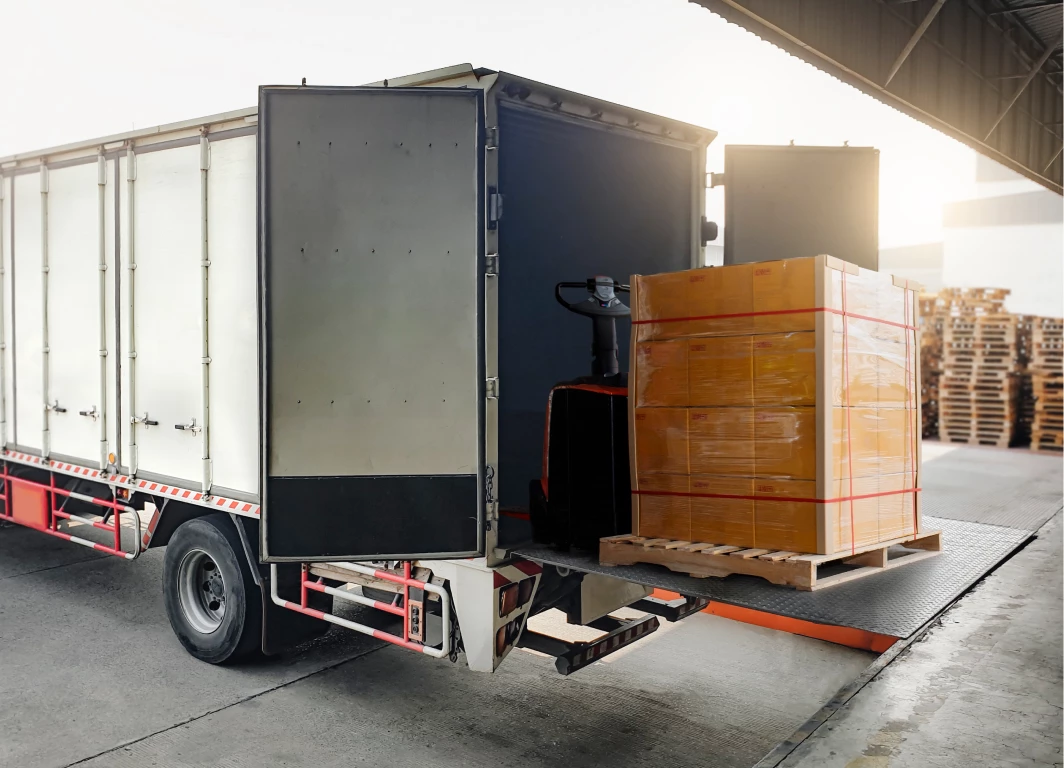

Box truck insurance turns on two facts that the truck’s weight rating alone cannot answer: whether you haul for hire, and whether you cross state lines. The federal liability row for nonhazardous freight applies to for-hire carriage in interstate or foreign commerce on a vehicle rated 10,001 pounds or more, and the CDL line sits higher, at 26,001 pounds. Most box trucks sit between or around those lines, which is why the details matter.
The class page for box trucking insurance covers the equipment and operations. This article is about the coverage to buy and the requirements that decide it.
What is box truck insurance?
It is the set of coverages a for-hire box truck operation needs, which are the same three core coverages every motor carrier uses: auto liability, motor truck cargo and physical damage. The overview in what motor carrier insurance is explains how they divide a loss. For an owner-operator, general liability and, once there are employees, workers’ compensation are added as the business grows.
Which federal thresholds apply to a box truck?
Two, and they are not the same. The first is the commercial motor vehicle line. In 49 CFR 390.5, a vehicle used in interstate commerce to transport property is a commercial motor vehicle when its gross vehicle weight rating, or its actual weight, is 10,001 pounds or more, whichever is greater. The second is the CDL line. In 49 CFR 383.5, a heavy straight vehicle, Group B, is one with a rating of 26,001 pounds or more.
The 26,001-pound line article covers both lines and where box trucks sit, and does so in more depth than this overview.
When does the $750,000 liability row apply?
When all three of its conditions are met. Under 49 CFR 387.9, the first row covers for-hire carriage, in interstate or foreign commerce, with a gross vehicle weight rating of 10,001 or more pounds, of nonhazardous property, and sets the minimum at $750,000. The table has no row for private carriage of nonhazardous property; the other rows are for hazardous materials and oil. A box truck hauling your own goods is a different case from one hauling a customer’s, and the difference is not the truck.
Confirm the current text of 387.9, which FMCSA restated in a technical amendment effective July 21, 2026. Whatever the federal floor, customers set their own: most brokers ask for more, as the liability limits article explains.
What coverage does a box truck operation actually buy?
Liability, with a limit that satisfies the federal row if it applies and the customers you work for. Cargo, with the commodities you carry listed on the form. Physical damage on the truck, and here the questions are particular to box trucks: whether the box body, a liftgate and permanently attached equipment are part of the insured vehicle. Ask the agent to say so in writing, because a body and a liftgate are easy to leave off a quote.
Real-World Scenario: Picture a hypothetical owner-operator who buys a used box truck with a liftgate and insures it on a quote that lists the chassis. After a collision the repair estimate is mostly body and liftgate, and the dispute is about whether those parts were part of the covered auto. The conversation that prevents it takes two minutes at quote: what is attached to the truck, and is it listed?
What changes if you are leased to another carrier?
The lease takes over part of the insurance question. 49 CFR 376.12(j) requires the lease to state the authorized carrier’s legal obligation to maintain public liability coverage under 49 U.S.C. 13906, and to specify who is responsible for any other insurance for the leased equipment, such as bobtail. If the carrier charges back for insurance, the lease must state the amount. Read that section of the lease with your agent before you buy anything, so you do not pay twice for the same exposure or leave one uncovered.
What if the box truck stays inside one state?
The federal table does not set the liability floor for it. The first row of the schedule applies to interstate or foreign commerce, so an operation that stays inside one state looks to its own state’s rules for a minimum, and states differ. The weight definition of a commercial motor vehicle in the federal safety rules is also written around interstate commerce. That does not make the operation unregulated; it means the state is the first place to look. Ask your agent which state requirements apply to your garaging and your routes, and confirm them with the state agency, as this article does not restate state law.
What do customers ask a box truck owner-operator for?
A certificate of insurance, almost always. Delivery and freight customers want to see liability at their required limit and often cargo at a stated limit, and they may ask to be named as certificate holder or additional insured. The certificate reflects the policy, and the policy reflects what you bought, so buy to the customer’s requirement and then check the certificate before you dispatch. A certificate that arrives after the first load is a rejected load. If you work for several customers, ask your agent how quickly certificates can be issued, since turnaround can decide whether you keep a customer.
What is the difference between cargo and general liability for a delivery operation?
Cargo covers the freight you haul for others while it is in your care. General liability answers other exposures, such as an injury at a customer’s dock or damage to a customer’s building during a delivery, that do not arise from operating the truck on the road. Neither is the truck’s auto liability, which covers the road. Delivery operations often have all three exposures in a single day, so the question is not which coverage to buy but whether each is on the program.
What mistakes do new box truck operators make most often?
Four recur. Assuming the weight rating alone decides the requirement, when for-hire and interstate status matter as much. Insuring the chassis and forgetting the body. Buying a cargo form that does not list the commodities they actually haul. And accepting a lease without reading its insurance section. Each is cheap to prevent at quote and expensive to discover at claim, which is why the checklist in this article is built around questions and not around prices.
How does a new box truck business get started?
By having the facts ready. The truck’s gross vehicle weight rating from the door label, the commodities, the customers and whether they require a certificate, the driver’s record, and the date the business began. The page for new venture trucking insurance explains how a new operation is placed, and the first-year article explains why the first year is priced as it is. For a carrier comparing who to ask, see how to compare carriers, programs and brokers.
What should you do next?
Look at the door label, decide whether you haul for hire across state lines, and list what is bolted to the truck. Then start a quote and send those three things. An agent can tell you which federal row applies and what the policy has to name.