
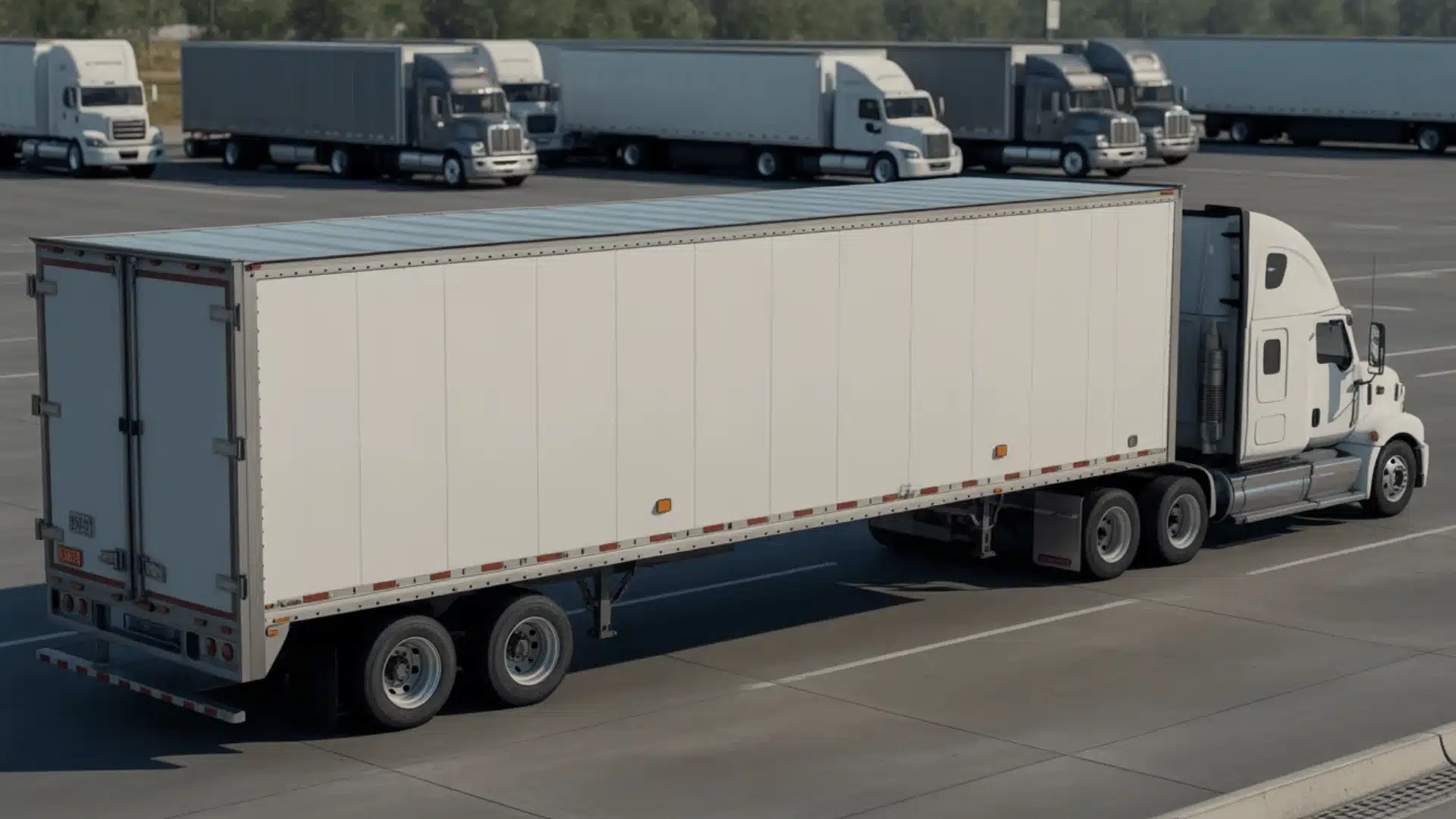

Yes, a new trucking company in Tennessee can get cargo insurance. For a new owner-operator with one truck, liability, cargo and physical damage usually run around $7,000-$12,000+ a year, as a typical range rather than a quote. New carriers buy motor truck cargo every day. What changes without a loss history is the terms: which commodities the insurer will accept, the limit, the deductible and the exclusions. A new carrier that decides what it will haul before it buys gets better terms than one that buys first and finds freight later.
The Tennessee new venture trucking insurance page covers state rules for new carriers, and the Tennessee trucking insurance page covers the state. This article stays on cargo.
Is cargo insurance required?
Federal rules require for-hire property carriers to carry liability coverage, set out in 49 CFR 387.9. Cargo is not part of that federal minimum for most carriers.
In practice it is required anyway. Brokers and shippers ask for a cargo certificate before they tender a load, and a carrier without one has little freight to haul. Federal law at 49 U.S.C. 14706 also makes a carrier that issues a receipt or bill of lading liable for the actual loss or injury to the property, so the exposure exists whether you insure it or not.
What decides the terms for a new carrier?
The commodity first. Dry general freight, building materials and similar loads are accepted by most cargo markets. Electronics, alcohol, tobacco, pharmaceuticals and other theft targets, and temperature-sensitive loads, are harder, and some forms exclude them outright. A new carrier hauling a commodity the form excludes has a certificate that does not cover its freight.
Then the equipment, the driver’s experience, and where trucks park overnight. The motor truck cargo coverage page explains the form.
How should you choose the limit?
Start with your highest-value load, not your average one. Then check the brokers and shippers you plan to work with. Many set a minimum cargo limit in their carrier agreement, and freight with higher values brings higher requirements. The limit you buy should meet the strictest of those.
Which exclusions bite new carriers?
Unattended vehicle and theft conditions are the common ones. Some forms restrict coverage for a loaded trailer left unattended, or require specific security when it is parked. A new carrier running long days may not realize a truck stop parking habit conflicts with its form.
Commodity exclusions are the second. Read the list of excluded freight against what you plan to haul. For reefer carriers, how refrigeration breakdown is treated is the third; the article on reefer breakdown coverage explains it.
Which Tennessee agencies matter?
The Tennessee Department of Commerce and Insurance regulates the insurers. The Tennessee Department of Safety and Homeland Security handles intrastate authority and roadside enforcement. TDOT handles highways and permits. Interstate authority and federal filings run through FMCSA.
Tennessee sits on major freight corridors, with I-40, I-24, I-65 and I-75 carrying through traffic from Memphis, Nashville, Chattanooga and Knoxville. Many new Tennessee carriers run interstate from day one.
Real-World Scenario: Picture a hypothetical new Nashville carrier that buys cargo coverage with a limit that meets its first broker’s minimum. A few months in, it takes a load of consumer electronics from a different broker. The truck is parked overnight at an unsecured lot, and the trailer is broken into. The cargo form excludes high-theft electronics and carries an unattended vehicle condition. The carrier had a certificate, but not coverage for that load.
What do underwriters ask a new carrier about cargo?
The commodities you will haul, with typical and highest load values. Your trucks and trailers, including any security features. Where trucks park overnight and whether drivers run team or solo. Your driving history and experience with the freight. And the brokers or shippers you plan to work with.
The article on motor carrier insurance for multiple load types covers carriers that plan to haul several kinds of freight.
How does a cargo claim work for a new carrier?
The shipper or broker files a claim against you for the lost or damaged freight, usually with the bill of lading, the invoice for the goods and photos. You report it to your agent and insurer right away. The insurer investigates whether the loss falls inside the form, and pays up to the limit less the deductible.
For a new carrier, how the first claim is handled matters. Report promptly, keep photos and paperwork for every load, and cooperate with the adjuster. A first claim handled cleanly reads very differently at renewal from one that dragged on. The article on what motor truck cargo insurance is explains how the form is built.
What should you do next?
List the freight you plan to haul and the brokers you plan to work with, and ask each broker for its cargo requirement. Then start a quote and send the list. We will tell you which forms fit your freight and what limit the strictest broker requires.