
Starting a hot shot trucking business in Colorado begins with your weight ratings, because the pickup and trailer combination decides which federal rules apply to you. For a new owner-operator with one truck, liability, cargo and physical damage usually run around $7,000-$12,000+ a year, as a typical range rather than a quote. After that come authority, the coverages brokers require, and an honest declaration of the mountain lanes you will run. Quote before you buy the truck and trailer, because the combination you choose changes both the rules and the price.
The Colorado hot shot trucking insurance page covers the state’s rules for hot shot, and the Colorado new venture trucking insurance page covers new carriers. This article puts the start-up steps in order.
Step 1: Know your weight ratings
The federal liability schedule in 49 CFR 387.9 applies its first row to for-hire carriers of nonhazardous property in interstate commerce with a gross vehicle weight rating of 10,001 pounds or more. Many hot shot combinations are above that line.
The CDL definitions in 49 CFR 383.5 draw a separate line at 26,001 pounds, and how the truck and trailer are rated decides whether a CDL is required. The article on the 26,001-pound line explains how those thresholds interact. Check the door label on the truck and the trailer’s rating before you buy.
Step 2: Get authority and filings
Hauling for hire across state lines needs FMCSA registration and authority, and the insurer files proof of liability coverage before the authority becomes active. The article on MC number vs. DOT number vs. BOC-3 explains the order of filings.
Step 3: Buy the coverages brokers ask for
Auto liability with the federal filing, motor truck cargo for the freight, physical damage on the pickup and trailer, and often general liability. Brokers set their own minimum limits in their carrier agreements, and many set cargo minimums too. Ask before you choose limits.
The hot shot trucking insurance page covers the class as a whole.
Step 4: Declare your mountain lanes
Colorado hot shot work often means I-70 over the mountains, along with other high routes to job sites and oil and gas country. Grades and winter conditions are part of the lane picture underwriters price. A pickup and gooseneck on a mountain grade in snow is a different risk from the same rig on the plains.
Declare every lane you run, including seasonal ones. A policy written for the Front Range alone may not fit a winter of mountain loads.
Which Colorado agencies matter?
The Colorado Division of Insurance regulates the insurers. CDOT handles highways, oversize permits and mountain-corridor management. The Division of Workers’ Compensation in the Department of Labor and Employment oversees workers’ comp. Interstate authority and filings run through FMCSA.
If you hire drivers later, workers’ comp for truck drivers usually runs around $1,500-$2,500+ per $50,000 in payroll, as a typical range rather than a quote.
Real-World Scenario: Picture a hypothetical Denver driver who buys a one-ton pickup and a gooseneck trailer, assuming the combination stays under the CDL threshold. After buying, he checks the ratings and finds the combination is rated above it. He now needs a CDL before he can haul for hire with that rig, and his insurance quote assumed a driver with one. Had he checked the ratings first, he could have chosen a trailer that fit his plans.
What do underwriters ask a new hot shot operator?
The truck and trailer with their ratings, the freight you plan to haul, your lanes and radius, your driving record and experience towing heavy trailers, and the brokers you will work with. The article on hot shot trucking insurance in Chicago covers the same questions in another market.
What about cargo for hot shot loads?
Hot shot freight is often equipment, parts and materials going to job sites, oil and gas locations and ranches. Some of it is high in value for its size. Set the cargo limit to your highest-value load, and read the form’s commodity exclusions against what you haul. Brokers set their own cargo minimums too.
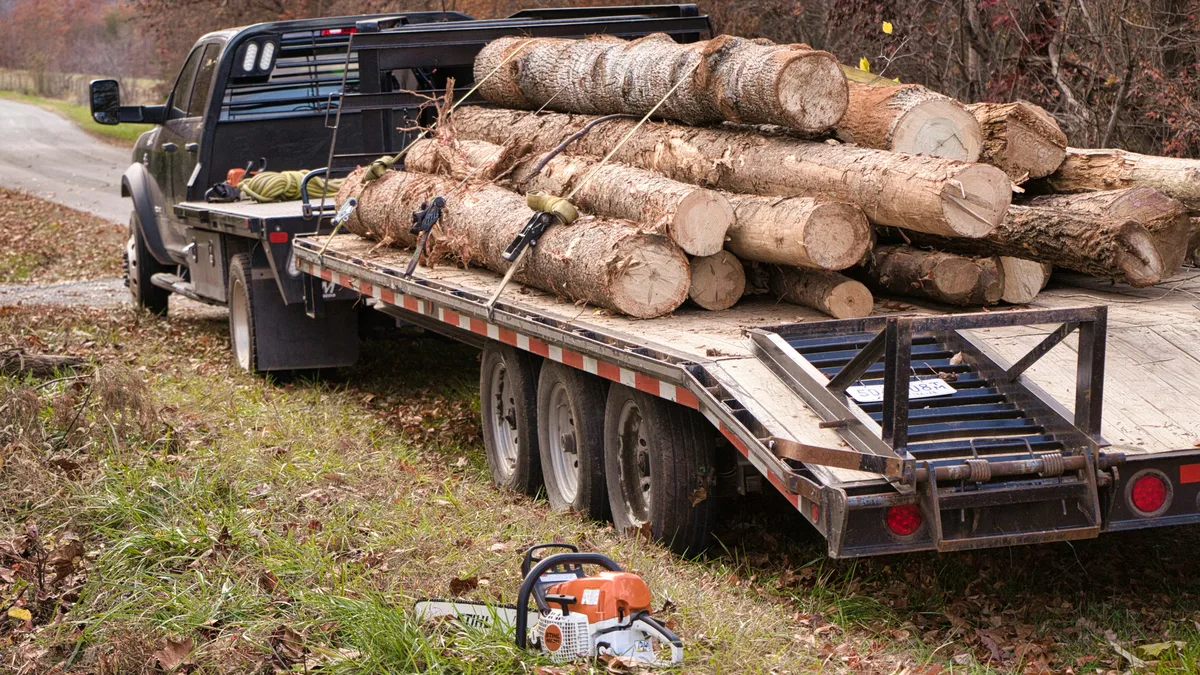
Securement matters on an open trailer in mountain wind. The federal cargo securement rules in 49 CFR Part 393, Subpart I apply, and a securement violation on a roadside inspection follows you into your safety record.
What should you do next?
Write down the truck and trailer you plan to run, with their ratings, and your planned lanes. Then start a quote before you buy. We will tell you which rules apply to that combination and what the insurance will cost.