
Hot shot trucking insurance in Chicago starts with your authority, because Illinois licensing reaches anyone hauling property for hire, at any weight. Once the authority is settled, a hot shot operator needs auto liability, motor truck cargo and physical damage written for a light truck pulling high-value freight on short notice, and the Chicago metro adds congestion, winter weather and cargo theft to that picture.
The Illinois hot shot trucking insurance page reads the Illinois statutes in detail, and the Illinois trucking insurance page covers the state. This article is the Chicago view: what a hot shot running out of the metro should have in place, and what an underwriter will ask.
What is hot shot trucking insurance?
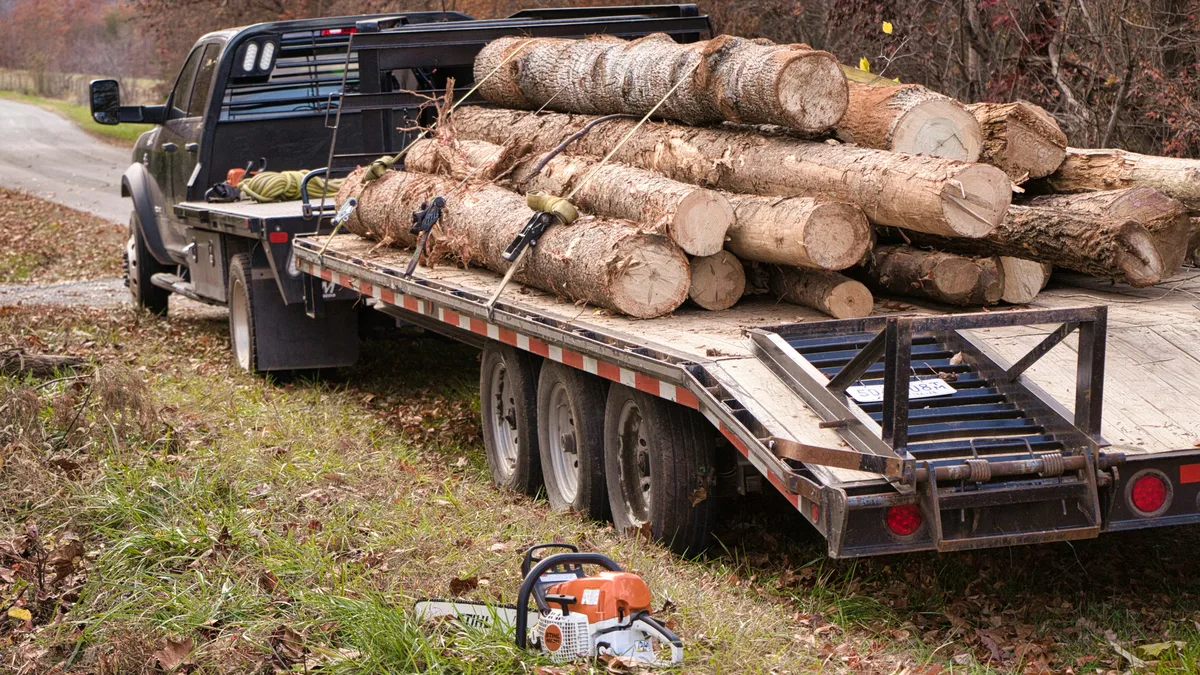
It is motor carrier insurance for operators who run a pickup or medium-duty truck pulling a gooseneck or flatbed trailer, usually with expedited loads. The class page for hot shot trucking insurance describes the exposure in full. The short version is that the truck is lighter than a tractor, the freight is often worth more than it weighs, and the lead time is short, so the driver may be securing a load somebody else staged.
The coverages are the familiar ones: trucking auto liability for injury and damage to others, motor truck cargo for the freight, and physical damage for the truck and trailer. What changes is how each one is written for a light combination.
Do you need Illinois authority to run hot shot loads out of Chicago?
That depends on where the freight goes. Interstate for-hire work runs under FMCSA authority. For loads that stay inside Illinois, the state’s licensing chapter is the one that binds first. As the Illinois hot shot page explains from the statute, the Illinois Commercial Transportation Law reaches all motor carriers of property hauling for hire, and its definition of a motor carrier carries no weight threshold. The safety chapter of the Vehicle Code starts at a weight, but the licensing chapter does not.
So a light combination that sits below every federal weight line can still need an Illinois license from the first paid load inside the state. The Illinois truck insurance article covers the federal weight lines and the coverage side for companies and hot shot haulers alike.
Which federal rules apply to a light combination?
It depends on the weight ratings and the freight. The federal financial responsibility schedule is in 49 CFR 387.9, and its first row applies to for-hire carriage of nonhazardous property in interstate commerce by vehicles at or above the weight rating it names. The definitions of a commercial motor vehicle and of interstate commerce are in 49 CFR 390.5.
Read the rating on the door label of the truck, then the rating of the combination with the trailer. Many hot shot rigs sit near one of the federal lines, and which side you are on changes your obligations. The article on the 26,001-pound line explains the licensing threshold that sits above it.
What does the cargo policy need to cover in Chicago?
It needs a limit that fits your most valuable load and a form that covers how you actually haul. Hot shot freight out of a manufacturing metro is often machinery, parts or equipment someone needs urgently, and a small load can carry a large value. Brokers will name a cargo limit in their setup packets. Compare it to your real loads, not your average one.
Theft is the second question. The Illinois page notes elevated cargo theft in the Chicago metro and along the I-80 corridor, particularly on parked equipment at truck stops and staging yards. An open deck with a load chained to it is easy to see. Ask whether your cargo form has conditions for unattended vehicles and overnight parking, and what they require.
Your liability for the freight does not depend on the policy. Under 49 U.S.C. 14706, a carrier that issues a receipt or bill of lading is liable for the actual loss or injury to the property.
How do Chicago traffic and winter weather affect a hot shot policy?
They shape the loss history, and the loss history shapes the price. The Illinois page describes the I-294, I-290 and I-88 interchange cluster as one of the worst truck bottlenecks in the country, and stop-and-go traffic produces rear-end claims on the auto liability policy. Northern Illinois also takes lake-effect snow off Lake Michigan, with black ice and reduced visibility on the interstates.
A light truck pulling a loaded gooseneck behaves differently from a tractor in those conditions. Securement matters more when the road is bad, and the federal cargo securement rules in 49 CFR Part 393, Subpart I apply to hot shot loads the same as to any other flatbed freight.
Real-World Scenario: Picture a hypothetical owner-operator with a gooseneck flatbed who takes a rush load of machine parts from a plant in the suburbs to a customer in central Illinois. The load never leaves the state. The operator has FMCSA authority from earlier interstate work but no Illinois intrastate license, and the cargo limit was set for lower-value freight. A securement failure in a snow squall damages the load. Now the questions are whether the operator was licensed for the move, and whether the cargo limit comes close to the value of the parts.
What do underwriters ask a Chicago hot shot operator?
They start with experience and equipment. Expect questions about how long you have driven a combination, the weight ratings of the truck and trailer, the kind of freight you haul and where you run. A new authority is placed differently from an established one, and the page for new venture trucking insurance in Illinois covers that side.
They will also want driver records and loss runs, and they will ask whether you lease to another carrier. If you do, the lease decides who provides which insurance, and the article on non-trucking liability and bobtail coverage covers the gap that opens when you are off dispatch.
How do brokers vet a Chicago hot shot carrier?
Before a broker tenders a load, it usually checks four things: that your authority is active, that your certificate of insurance names the coverages and limits its contract requires, that your safety record is acceptable, and that the cargo limit fits the freight. A hot shot carrier that cannot produce a clean certificate quickly loses the load to one that can, because hot shot freight is time-sensitive by definition.
Two details trip up new operators. The first is the cargo limit on the certificate, which has to match or exceed the broker’s requirement, not just exist. The second is the description of the equipment. If your certificate lists a truck but not the trailer you are pulling, expect questions. Ask your agent to issue certificates promptly and to show exactly what the broker asked for.
Should a hot shot operator carry general liability?
Often, yes. Hot shot loads are frequently delivered to job sites, plants and yards, and the driver may help unload or move freight once the truck is parked. Injury or damage that comes from that work, away from driving the truck, is a general liability question, and many shippers ask for it in their contracts. The article on general liability for flatbed trucking explains where that coverage starts and stops for open-deck operators, and the same reasoning applies to a gooseneck delivering to a Chicago job site.
What should a Chicago hot shot operator check before the first load?
Four things. Confirm which authority covers the loads you plan to take, including any that stay inside Illinois. Check the weight ratings of the truck and the combination. List every trailer on the physical damage schedule. And set the cargo limit against your most valuable load and the broker requirements you have to meet.
What should you do next?
Write down your truck and trailer ratings, the kinds of loads you take, and whether any of them stay inside Illinois. Then start a quote and send that list. We will tell you whether your authority, cargo limit and schedule match the hot shot work you actually run out of Chicago.