
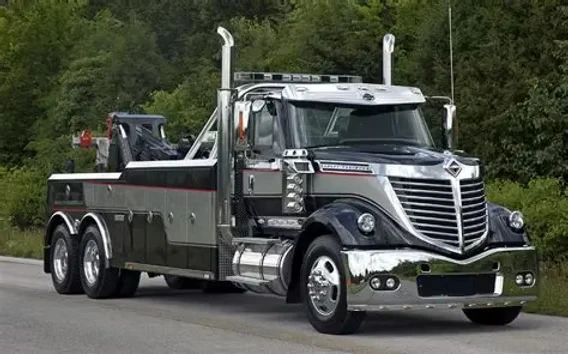

Tow truck insurance in California is a wrecker program shaped by the agreements tow work runs under. Auto liability covers the tow truck on the road, on-hook covers the vehicle being towed, garagekeepers covers vehicles held at your lot, and physical damage, general liability and workers’ comp round it out. In California the agreement that matters most for many operators is CHP rotation, and it has firm rules about proof of insurance.
The California tow trucking insurance page covers the state’s tow rules, and the article on wrecker insurance explains each coverage. This one is about what California tow operators need to watch.
What coverages does a California tow operator need?
Auto liability for injury and damage to others caused by the tow truck. On-hook coverage for damage to the vehicle while it is attached to or carried on your truck. Garagekeepers for vehicles held at your storage lot. Physical damage on your own wreckers and rollbacks. General liability for your premises and operations. Workers’ comp for employees.
What does CHP rotation work require?
The CHP Rotation Tow Program rotates calls for disabled and crash-involved vehicles on state highways among approved private tow companies. Participation is governed by a Tow Service Agreement, which sets the operator’s obligations, including insurance.
Two rules on the program page matter for insurance. CHP accepts only a certificate of insurance as proof of coverage. And if an operator’s policy is canceled, the operator is removed from the rotation list. Read the current Tow Service Agreement for the limits it requires, because those terms are updated over time.
Why does a lapse cost more than coverage?
Because a rotation slot is income. An operator that lets its policy cancel, even briefly, can lose its place on the list along with the coverage. Pay by the due date, keep your certificate current with every agency you serve, and tell your agent at once if a payment problem comes up.
The same logic applies to motor club and dealer agreements. Each one sets its own terms, and the strictest one sets your limits.
Which California agencies matter?
The California Department of Insurance regulates the insurers. Workers’ comp is administered through the Division of Workers’ Compensation in the Department of Industrial Relations. Caltrans handles state highways and oversize permits. The California trucking insurance page covers the wider state picture.
California workers’ comp tends to cost more than in many states, and tow drivers working live shoulders are a hazardous classification. Expect underwriters to ask how your drivers are protected at roadside scenes.
Real-World Scenario: Picture a hypothetical two-truck operator on a CHP rotation list in the Central Valley. The owner switches insurers at renewal to save money, and the new policy’s start date is a few days after the old one ends. During that gap, the old insurer’s cancellation reaches the agency. The operator is removed from the rotation list, and getting back on takes far longer than the gap did.
What about storage lots?
Rotation and impound work usually means storing vehicles. Garagekeepers covers them at your lot for theft, fire, vandalism and weather. On-hook ends when the vehicle comes off the truck, and general liability forms commonly exclude property in your care. A lot without garagekeepers is a gap the size of the lot.
What do underwriters ask a California tow operator?
They ask what kind of trucks you run, from light-duty wheel-lifts to heavy wreckers and rotators, and how old they are. They ask what work you do: rotation, impounds, motor club, private property, dealer accounts. They ask about your storage lot, including security and how long vehicles stay.
They ask about your drivers, especially their experience at highway scenes and their motor vehicle records. And they read your loss history for on-hook and lot claims, which point to training and lot security.
What about workers’ comp?
California workers’ comp is administered through the Department of Industrial Relations Division of Workers’ Compensation, and it is required for employers with employees. Tow drivers working roadside scenes are a hazardous classification, so the rate reflects it. Underwriters ask how drivers are protected at scenes: high-visibility gear, lighting, truck positioning and training.
What should you do next?
Pull your current Tow Service Agreement and every motor club and dealer agreement you work under. Then start a quote and send them with your truck list and lot details. We will tell you whether your limits meet the strictest agreement and how to avoid a gap at renewal.