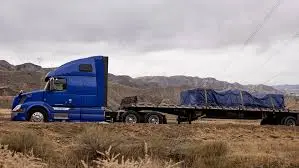

Flatbed truck insurance in Salt Lake City is an open-deck program shaped by two things. Job-site deliveries put drivers out of the cab and in the middle of someone else’s work. And the lanes out of the valley on I-15, I-80 and I-84 mean mountain grades and winter weather for much of the year. The coverages are auto liability, cargo, physical damage, general liability and workers’ comp once you have employees.
The flatbed trucking insurance page covers the class as a whole, and the Utah trucking insurance page covers the state. This article is about running flatbed out of the Salt Lake area.
What coverages does a Salt Lake flatbed carrier need?
Auto liability for injury and damage to others from operating the truck. Motor truck cargo for freight you haul for others: steel, lumber, building materials, machinery. Physical damage on the tractor and the flatbed or step-deck. General liability for work at job sites, yards and docks. Workers’ comp once you have employees.
Why does general liability matter so much for flatbed?
Because open-deck freight is delivered to places where people are working. Construction sites, steel fabricators, lumber yards. Your driver is often out of the cab, removing chains, pulling tarps and sometimes guiding a lift. If someone is hurt, the claim may fall outside auto liability entirely.
The article on general liability for flatbed trucking explains where that coverage starts and stops. The short version: many job-site contracts require it, with additional insured status for the site owner.
Which Utah agencies matter?
The Utah Insurance Department regulates the insurers that write trucking coverage. The Utah Department of Transportation handles highways, oversize and overweight permits and intrastate matters. The Utah Labor Commission oversees workers’ comp, which can be placed with private insurers or with the Workers Compensation Fund, a state-affiliated insurer that competes with them.
Interstate operating authority and federal insurance filings run through FMCSA.
How do the lanes affect the policy?
Underwriters price where you run. Mountain grades and winter conditions on routes out of the valley are part of the picture, and so are your drivers’ experience on them. A carrier that declares a short regional radius and then runs over the passes all winter has a mismatch that can surface after a claim.
Tell your agent every lane you run, including the occasional ones. The article on interstate trucking insurance explains how radius and territory work.
What about securement?
Securement is the flatbed carrier’s most visible compliance issue. The federal cargo securement rules are in 49 CFR Part 393, Subpart I, and a securement violation on a roadside inspection becomes part of your safety record. Underwriters read that record at renewal.
Real-World Scenario: Picture a hypothetical Salt Lake flatbed carrier that applied for coverage as a local operation hauling building materials around the valley. Over the winter it starts taking steel loads east on I-80 for a new customer. On one trip the truck jackknifes on an icy grade in Wyoming and the load spills across both lanes. The claim raises questions the carrier never expected: whether the policy’s radius and territory included the trip, and what the application said about where the trucks run.
What do underwriters ask a Utah flatbed carrier?
They ask what you haul: steel, lumber, building materials, machinery, oversize loads. The commodity sets the cargo limit and decides whether the cargo form needs to be checked for exclusions. They ask where you deliver, especially how much work happens at construction sites. They ask about your drivers: years on open-deck freight, securement training and records.
They read your inspection history for securement violations, because a pattern there predicts cargo and liability claims. And they ask about your lanes, including any regular mountain or winter routes.
What about oversize work?
Utah flatbed carriers often move equipment and materials for construction, mining and energy work, and some of those loads are oversize. Permitted loads bring escorts, route restrictions and contract terms that change the picture. The oversized and overweight trucking insurance page covers that class, and UDOT handles the state permits. Tell your agent if any of your loads need permits.
What should you do next?
List your regular customers and pull their insurance requirements, then list every lane you run in a year. Start a quote and send both with your equipment. We will tell you whether your general liability, cargo and territory match the work.