
Hazmat truck insurance in New Hampshire starts where every hazmat program does, with the federal liability schedule, which puts placarded loads in higher rows than general freight. It adds pollution liability, because auto forms rarely answer the cleanup of a released load. And it is shaped by the state’s market, where heating fuel and propane delivery through the winter is a large share of placarded trucking.
The hazmat trucking insurance page covers the class, and the New Hampshire trucking insurance page covers the state. This article stays on placarded work in New Hampshire.
What coverages does a New Hampshire hazmat carrier need?
Auto liability at the federal row for the material you haul, with the MCS-90 endorsement if you are a regulated carrier. Pollution liability for releases the auto form excludes. Cargo where you haul product owned by others. Physical damage on your trucks and tanks. General liability and workers’ comp.
The article on hazmat trucking company insurance beyond auto liability walks through the full set.
Why is the liability limit higher?
The federal schedule in 49 CFR 387.9 sets different minimums by what the vehicle carries. Oil and hazardous materials sit in higher rows than general freight, and the row depends on the material, the quantity and how it is packaged. Read the rows with your agent against your actual commodity list.
The federal minimum is a floor. Fuel suppliers and other customers usually set their own limits, often higher.
What does PHMSA require?
PHMSA requires registration from persons who offer or transport certain hazardous materials, and the requirement depends on the materials and quantities involved. PHMSA’s registration information explains who must register. Certain materials also trigger a security plan requirement under 49 CFR Part 172, Subpart I.
None of that is insurance, but underwriters read it. A carrier without the registration or security plan its materials require is a compliance problem before it is an insurance one.
Which New Hampshire agencies matter?
The New Hampshire Insurance Department regulates the insurers. The New Hampshire Department of Transportation handles highways and permits. Intrastate motor carrier matters and workers’ comp each have their own state offices; confirm what applies to an operation that stays inside the state. Interstate authority and federal filings run through FMCSA.
What about heating fuel and propane delivery?
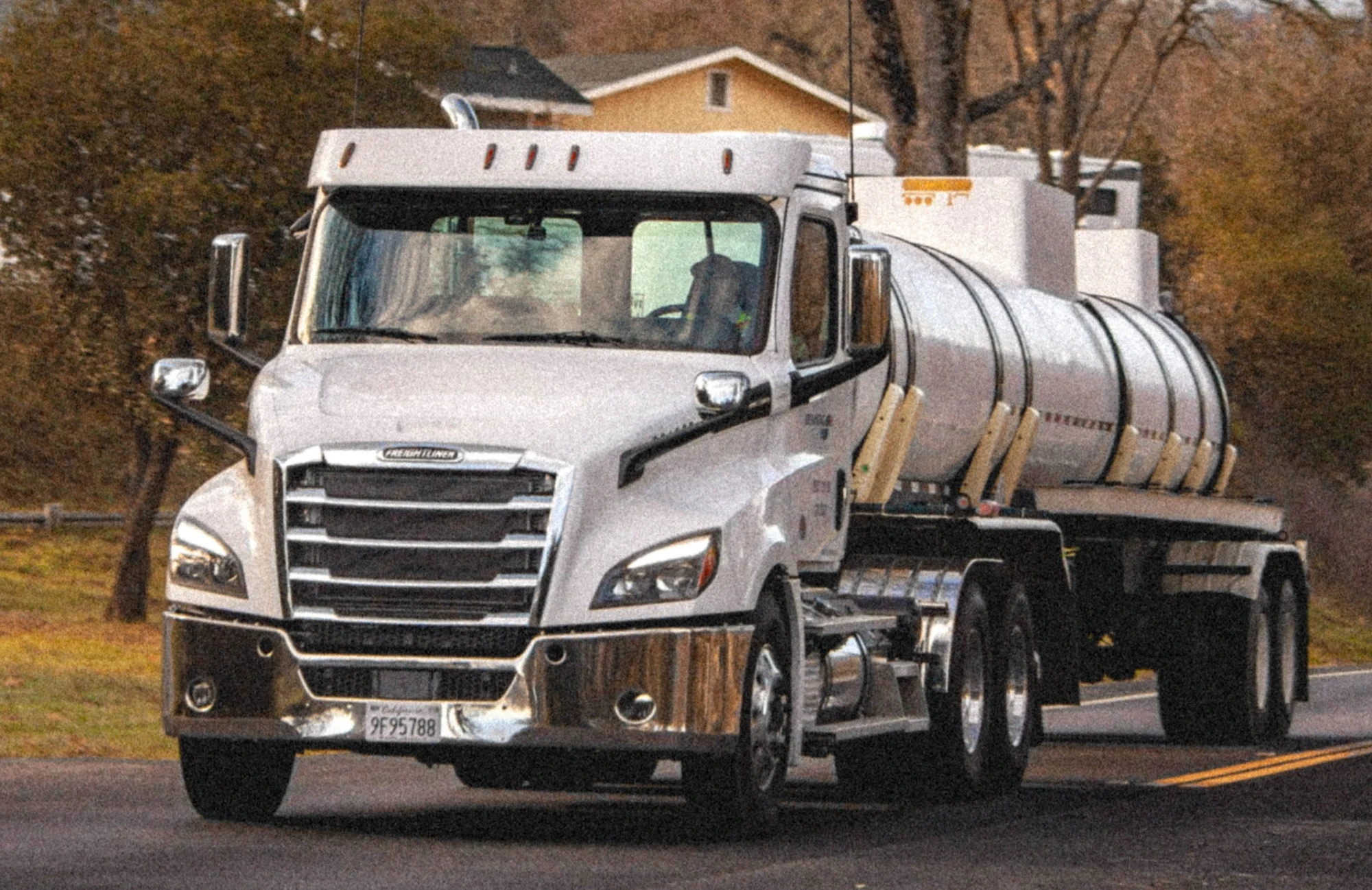
Winter delivery work is a large part of New Hampshire’s placarded market. It is also hard driving: residential roads, steep driveways, snow and ice, and frequent stops. Underwriters look closely at driver experience in winter conditions and at how deliveries are made.
A released load of fuel is a cleanup question. Many auto forms exclude pollution or give back only fuel escaping from the truck’s own systems. The article on transportation pollution liability explains that gap, and the fuel hauling insurance page covers fuel programs.
Real-World Scenario: Picture a hypothetical heating oil dealer delivering to homes in the Lakes Region. On an icy morning, a delivery truck slides off a rural road and the tank is punctured. Fuel runs into a roadside ditch that drains toward a brook, and the state orders cleanup. The truck’s auto policy pays for the guardrail the truck struck, but its pollution exclusion leaves the cleanup to the dealer. The dealer had declined pollution liability at renewal to save money.
What do underwriters ask a New Hampshire hazmat carrier?
They ask what you haul, with hazard classes and quantities, and how it is carried: bulk tanks, cylinders or packages. They ask about your tank trucks and their age, and about maintenance and inspection records. They ask about drivers: hazmat endorsements, years of placarded experience, and winter driving experience.
They read your compliance record closely. PHMSA registration where required, security plans where required, and inspection history. A clean compliance file matters more in hazmat than in almost any other class, because the worst-case loss is so large.
What about cross-border lanes?
Many New Hampshire carriers run into Massachusetts, Maine and Vermont routinely. Those loads are interstate, which brings federal authority, filings and the federal liability rows. Carriers that also do intrastate delivery work should tell their agent about both. The article on interstate trucking insurance explains the difference.
What should you do next?
List your commodities with hazard classes and the quantities you carry, and pull your auto policy’s pollution wording. Then start a quote and send both with your truck and driver list. We will tell you which federal row applies and what a pollution form needs to cover. The hazmat truck insurance in Florida article covers the same questions in another state.