
Hazmat trucking insurance usually runs around $12,000-$18,000+ for the year per truck. That is a typical range, not a quote or a guarantee. Hazmat trucking insurance costs more than general freight for three reasons: the federal liability minimum for hazardous materials is higher, pollution coverage is added, and fewer insurers write the class. Within that, five things move the price: the material, how it is carried, the drivers, the equipment and the compliance record. The last one is the lever a hazmat carrier controls most.
The hazmat trucking insurance page covers the program as a class. This article is about what drives the price.
Factor 1: The material and the federal row
The federal schedule in 49 CFR 387.9 sets different minimums by what the vehicle carries. Oil and hazardous materials sit in higher rows than general freight, and the row depends on the material, the quantity and how it is packaged. A higher required limit means a higher premium, before anything else is considered.
Read the rows with your agent against your actual commodity list. Carriers sometimes buy for the highest row when most of their work falls in a lower one, or the reverse.
Factor 2: Pollution coverage
A released hazmat load is a cleanup question, and many auto forms exclude pollution or give back only fuel escaping from the truck’s own systems. Pollution liability fills that gap, and it is a real part of the cost. The article on transportation pollution liability explains where the auto form stops.
Factor 3: The drivers
Underwriters want drivers with hazmat endorsements and years of placarded experience, clean motor vehicle records and low turnover. A carrier that hires drivers new to hazmat is pricing in their learning curve. Documented training helps.
Factor 4: The equipment
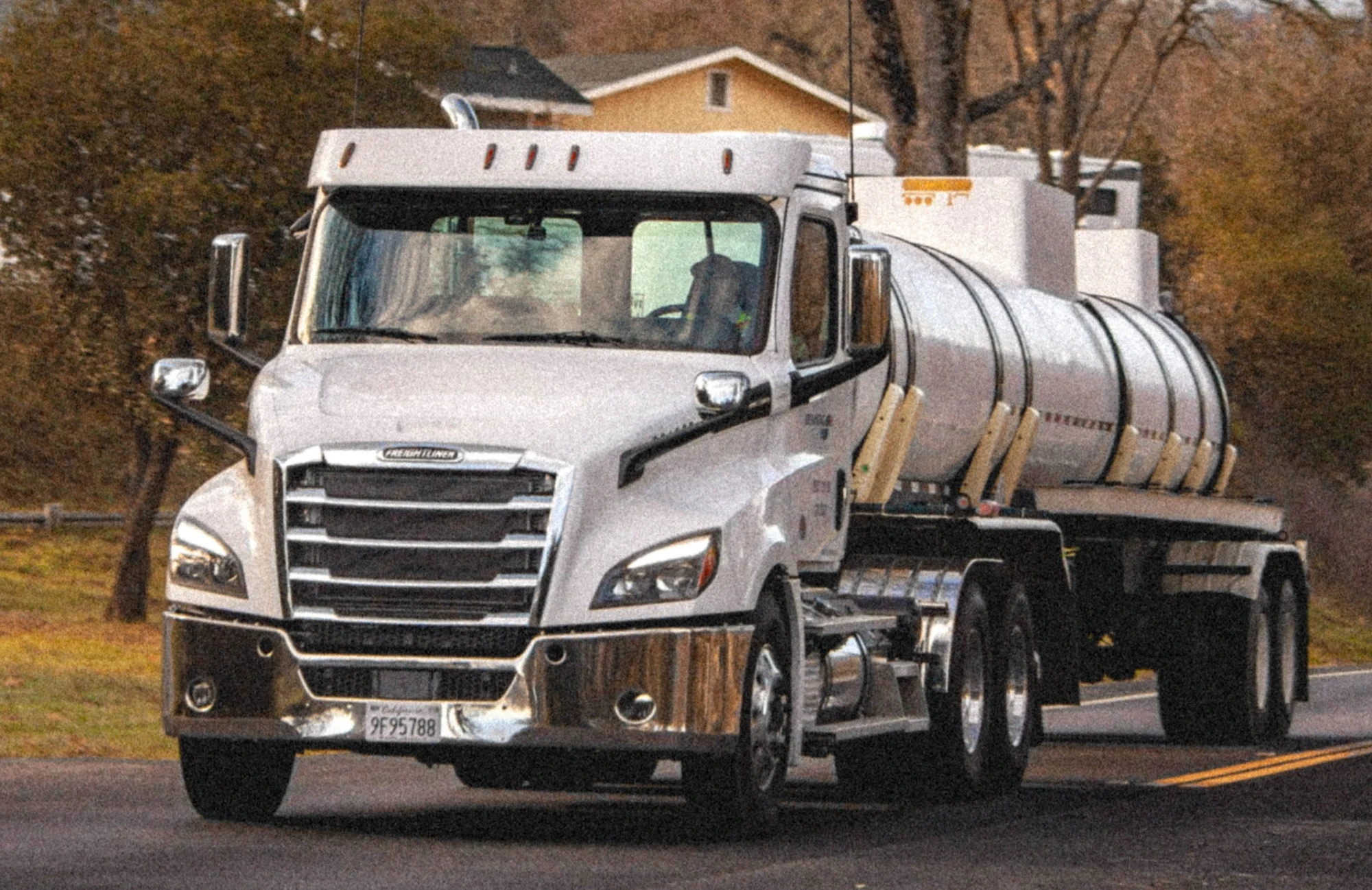
Tank trucks and trailers, cargo tanks and their inspection and test records, and the age and condition of the tractors. Well-maintained, newer equipment with documented inspections reads better than an older fleet with gaps in the records.
Factor 5: The compliance record
This is the factor a carrier controls most. PHMSA registration where your materials require it, explained on PHMSA’s registration information page. Security plans where required, under 49 CFR Part 172, Subpart I. Hazmat endorsements on every driver. Clean roadside inspections. A carrier that can show all of that is a better risk, and the price reflects it.
Why do customers change the price?
Because they set the limits. Fuel suppliers, chemical shippers and brokers often require liability and pollution limits above the federal floor. The strictest contract you sign sets the limit you buy, and the limit drives the premium. Collect those requirements before you quote.
Real-World Scenario: Picture a hypothetical carrier that hauls packaged hazardous materials in a lower federal row and buys coverage for that. It takes on a bulk contract that falls in a higher row and also requires a pollution limit the carrier does not carry. The new contract changes both the liability limit and the pollution coverage, and the premium moves with them. The carrier had priced the contract’s revenue without pricing its insurance.
What does a hazmat underwriter ask?
Your commodities with hazard classes and quantities, how they are packaged, your trucks and tanks, your drivers and their endorsements, your PHMSA registration, your lanes, your customer contracts and your loss history. The article on hazmat trucking company insurance beyond auto liability covers the full set of coverages, and what drives trucking insurance premiums covers the general rating factors.
How do radius and lanes affect the price?
Where a hazmat truck runs matters as much as what it carries. Routes through dense urban areas, near waterways and over mountain grades raise the worst case, because a release there reaches more people and more property. Underwriters ask about your routes and radius, and federal routing rules for certain materials, in 49 CFR Part 397, shape where some loads can go.
A carrier running a short local radius between a terminal and its customers is a different risk from one running placarded loads across several states.
Does the market itself change the price?
Yes. Fewer insurers write hazmat than general freight, and some write only certain classes or packaging types. A carrier whose freight fits a narrow market has fewer quotes to compare. Your agent’s job is to know which markets write your materials, and a clean compliance file widens that list. The articles on hazmat truck insurance in Florida and New Hampshire show how state markets differ.
What should you do next?
List your commodities with hazard classes and the contracts that set your limits. Then start a quote and send both with your driver and equipment list. We will tell you which federal row applies and what moves your price.