
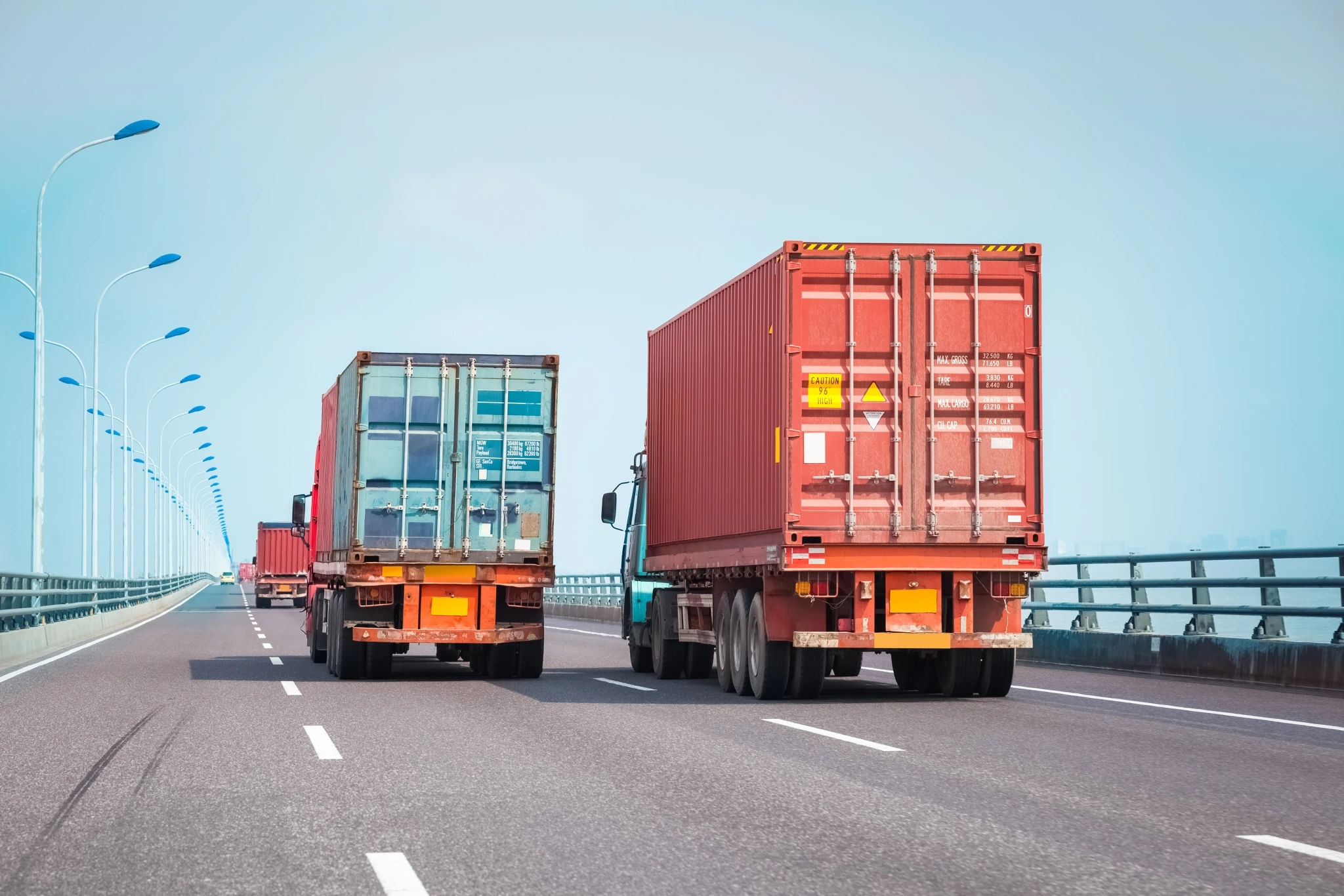

Intermodal trucking insurance with liability, cargo and physical damage usually starts around $7,000-$10,000+ for the year, all in. That is a typical range, not a quote or a guarantee, and actual premiums depend on the operation: your equipment, your lanes, your drivers and the providers you interchange with. What makes intermodal different from other trucking is that most of what you handle at a port or a rail ramp belongs to someone else.
The UIIA intermodal trucking insurance page covers the program as a whole, and what UIIA insurance is covers the endorsement side. This article walks through the three things an intermodal carrier is responsible for: the chassis, the container and the freight.
Who is responsible for the chassis?
You are, while it is in your possession under an interchange agreement. Chassis come from pools, leasing companies and shipping lines, and the agreement you sign makes the motor carrier responsible for damage to the chassis between gate-out and gate-in.
That exposure is answered by trailer interchange coverage, not by your own physical damage. Physical damage covers the tractors and trailers you own and list. A pooled chassis is neither.
Who is responsible for the container?
The same interchange agreement usually covers the container. It belongs to a shipping line or a container lessor, and while it sits on your chassis behind your tractor, damage to it is your problem. Trailer interchange is again the coverage, and the limit has to reach the most valuable box you regularly pull. Refrigerated containers, with their units, are the expensive case.
The article on trailer interchange vs. cargo coverage on leased trailers explains the line between the box and what is in it.
What about the freight inside?
That is motor truck cargo. The container and the chassis are equipment; the freight is cargo. A crash that damages all three produces three claims answered by two policies.
Container freight brings its own question, because the motor carrier often cannot inspect a sealed box. Ask how your cargo form treats loss that cannot be traced to a specific event, and whether it excludes any of the commodities you see most often.
What does the UIIA require?
IANA’s UIIA FAQ says motor carriers in the Uniform Intermodal Interchange and Facilities Access Agreement carry auto liability and commercial general liability, and that individual equipment providers may require more, such as cargo and trailer interchange, and may ask to be named as additional insured.
That last part is where most of the work is. Each provider can have an addendum with its own requirements, and your policy has to satisfy the strictest one you work under. Keep a list of every provider and what it asks for, and update it whenever you add one.
Is a rail ramp different from a port?
The coverages are the same. The facilities and the agreements can differ. Rail ramps often have their own access terms on top of the interchange agreement, and the equipment providers you see there may not be the ones you see at the port.
Drayage carriers that serve both should treat each facility as its own checklist. The posts on drayage trucking insurance in Savannah and trailer interchange insurance in Massachusetts show how that plays out at specific ports.
Real-World Scenario: Picture a hypothetical drayage carrier that has worked one port for a year with a trailer interchange limit set to that port’s usual dry containers. It takes on a new customer moving refrigerated containers from a rail ramp. The first reefer box is damaged backing into a door at the warehouse, unit included. The repair estimate for the container and its unit is above the interchange limit the carrier bought for dry boxes, and the difference is the carrier’s.
What moves the price inside that range?
The equipment you run and how old it is. The ports and ramps you serve and the traffic around them. Your drivers’ experience with container work. The number of equipment providers, because more providers usually means stricter combined requirements. And your loss history, especially past interchange claims.
The article on what drives trucking insurance premiums explains how those factors combine.
What endorsements do equipment providers ask for?
Beyond the coverages themselves, providers commonly ask to be named as additional insured on the auto liability and general liability, and some ask for specific certificate wording. Those requests are made through the provider’s addendum to the interchange agreement, and your insurer has to agree to them.
Keep a register: each provider, what it requires, when you last confirmed it, and whether your current certificate meets it. When you add a provider, check the register before the first pickup, not after. The UIIA insurance packet published through IANA shows the kind of documentation involved.
What about the freight you cannot inspect?
Sealed containers are a cargo problem with no easy answer. You often cannot see what is inside, cannot confirm the count, and cannot check how it was loaded. If the freight is damaged, the question of when the damage happened is hard to prove either way.
Record the seal number at pickup and at delivery, and note any visible damage to the container on the interchange paperwork before you leave the terminal. Those records are what a cargo adjuster asks for first.
What should you do next?
List every equipment provider you interchange with and pull each one’s insurance requirements. Then start a quote and send the list with your tractors and drivers. We will tell you what limit the strictest provider requires and whether your current program meets it.