
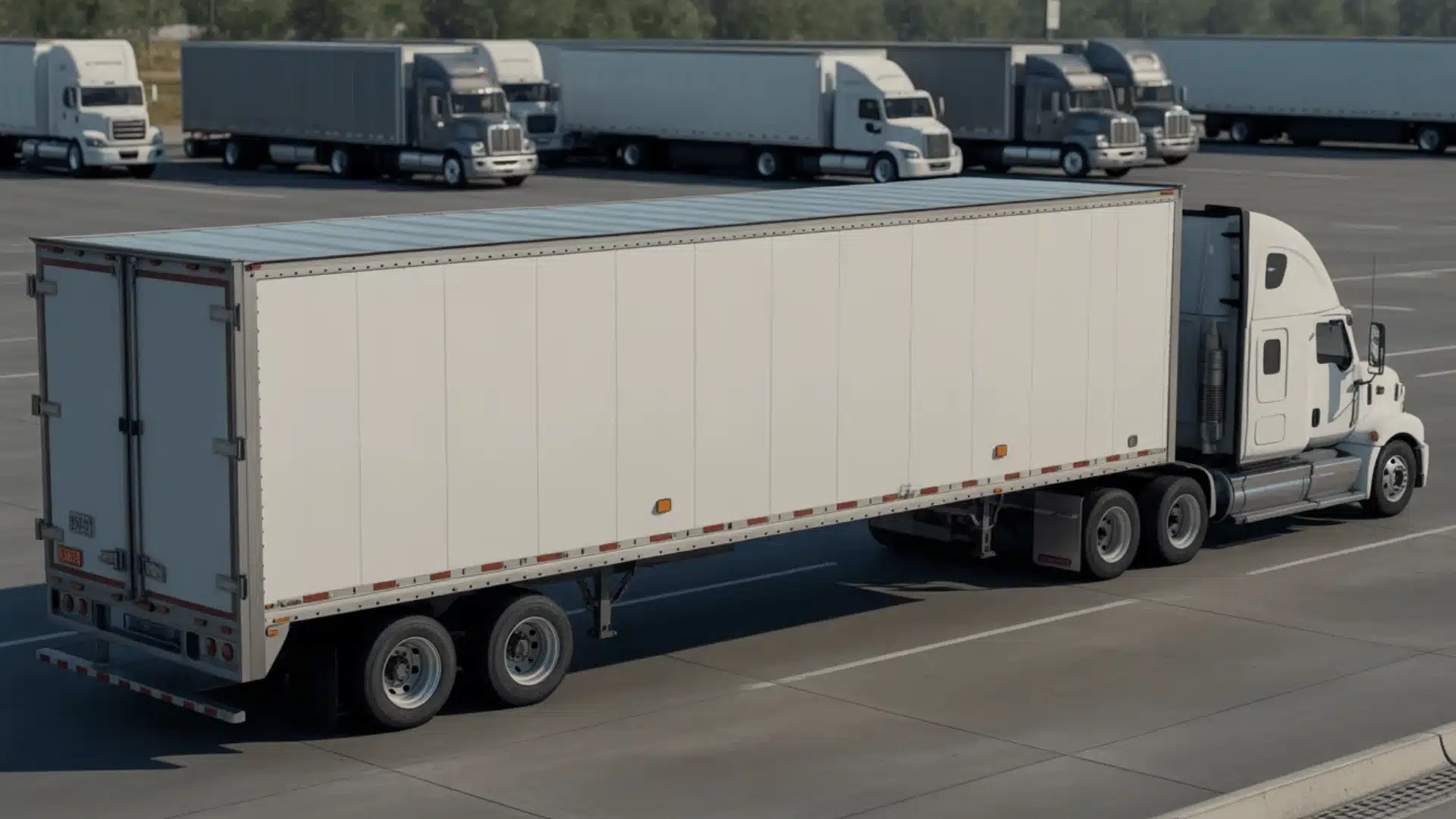

Motor truck cargo insurance in Charlotte is the policy that pays when freight you are hauling for someone else is lost or damaged by a cause the form covers. The covered causes and the exclusions decide more claims than the limit does, so the first job for a Charlotte carrier is to read the form against the freight it actually hauls.
The motor truck cargo coverage page explains the coverage line, and the North Carolina trucking insurance page covers the state. For the bigger picture by type of operation, see North Carolina truck insurance for long-haul, car hauler, reefer and dump operators. This article stays on cargo and on the Charlotte end of the map.
What does motor truck cargo insurance cover?
It covers your legal liability for freight in your care, for the causes of loss the form lists. A typical form names causes like collision, overturn, fire and theft, and then lists exclusions and conditions. The plain-English explanation of motor truck cargo insurance walks through how a form is put together.
The point to hold onto is that cargo is not one fixed product. Two policies with the same limit can pay very differently, because one covers a cause the other excludes. A Charlotte carrier hauling mixed distribution freight needs the form read, not just the limit checked.
Why does Charlotte freight change the cargo question?
Because of what moves through the metro. The North Carolina page describes Charlotte as a financial-and-distribution metro on the I-85 spine that runs to the Research Triangle, and it notes that pharmaceutical and biotech shippers in the Triangle require cargo limits and documentation discipline of their own. A carrier running urban distribution lanes out of Charlotte can haul low-value freight in the morning and a high-value load in the afternoon.
That spread is the problem. A limit chosen for the average load leaves the high-value load underinsured, and a form chosen for dry freight may not fit a load that needs temperature control.
What exclusions matter most on Charlotte lanes?
Four come up again and again.
The first is unattended vehicles. Many forms set conditions for a loaded trailer left alone, such as locked doors, a secured lot or a time limit. Distribution work in a metro means stops, breaks and overnight parking, so the condition matters every day.
The second is temperature. A standard cargo form often excludes spoilage from a change in temperature unless the policy adds coverage for it. If you take refrigerated loads, read the reefer breakdown coverage article and make sure the form says what you think it does.
The third is sealed loads. A carrier that picks up a sealed trailer cannot count the freight. A note on the bill of lading that the shipper loaded and counted the freight can help in a dispute, but it does not end it.
The fourth is commodity limits. Some forms limit or exclude certain freight, such as electronics or other high-value goods. If your Charlotte loads include them, ask whether the form names them.
Who is liable when freight is lost or damaged?
The carrier, in most interstate moves. Under 49 U.S.C. 14706, a carrier that issues a receipt or bill of lading is liable for the actual loss or injury to the property. That liability does not depend on your policy. A cargo form that excludes the cause of a loss leaves the liability in place and the carrier paying it.
That is the reason to read the form before the claim, not after. The broker or shipper will look to you first, and your contract with them may add obligations beyond the statute.
What else does a Charlotte carrier need besides cargo?
Cargo is one line of a program. Trucking auto liability answers for injury and damage to others, and the North Carolina page notes that I-85 corridor rear-end collisions are a recurring claim on Charlotte-area programs. Physical damage covers your own equipment. If drivers handle freight at the dock, the boundary between auto, general liability and cargo matters, and the article on loading and unloading coverage explains it.
Regulatory questions for North Carolina carriers, such as permits and registration, run through NCDOT, which publishes its commercial trucking resources online. The federal cargo securement rules are in 49 CFR Part 393, Subpart I.
Real-World Scenario: Picture a hypothetical Charlotte carrier that runs mixed distribution freight and takes a broker load of consumer electronics late in the day. The driver parks the loaded trailer at a truck stop for a few hours before the morning delivery, and the load is stolen. The carrier’s cargo limit was set for its usual freight, and the form has a condition for unattended vehicles that the stop did not meet. The broker looks to the carrier for the full value, and the cargo form pays little or nothing.
How should a Charlotte carrier document a load?
Most cargo disputes are decided by paperwork, so build the habit into every pickup and delivery. At pickup, the driver should compare the freight to the bill of lading where it can be seen, note anything that does not match, and record the seal number on a sealed trailer. If the shipper loaded and sealed the trailer without the driver present, that belongs on the paperwork too.
At delivery, have the receiver sign for the freight and note any damage or shortage on the delivery receipt before the driver leaves. A clean signed receipt is strong evidence the load arrived as shipped. A receipt marked with exceptions starts the claim with facts instead of memory.
Photos help at both ends. A picture of the load before the doors close and another when they open settle many arguments about whether damage happened in transit. Keep them with the bill of lading, filed by load, where the office can find them.
How does the deductible affect small cargo claims?
The deductible is the part of every claim you pay yourself, and on a busy distribution account it shapes how many claims you file. A higher deductible can lower the premium, but it can also mean you carry most of the small shortage and damage claims that come with frequent deliveries. Before you choose one, look at the size of the cargo claims you have had and how often they happened.
How do you set the right cargo limit for Charlotte freight?
Start with the most valuable load you have hauled or expect to haul, not the average. Then read every broker and shipper requirement you have agreed to. The higher of the two is your starting point. If one class of freight drives the number far above the rest, ask whether a higher limit for those loads only is available, or whether you should decline them.
Revisit the limit whenever the freight changes. A Charlotte carrier that adds a new shipper, starts taking broker loads in a new commodity, or moves into refrigerated work may have outgrown the limit it bought at renewal. Tell your agent before the first load of the new freight, not after the first claim. Changing a cargo limit mid-term is ordinary; finding out after a loss that it was too low is not.
The same goes for the trailers. If you add a reefer unit or start pulling a customer’s trailer, the cargo form and the equipment schedule both need a look, since the exclusions that matter for dry freight are not the ones that matter for temperature-controlled loads.
A new carrier sets this from expected freight rather than history, and the page for new venture trucking insurance in North Carolina covers the first-year side.
What should you do next?
List the five most valuable loads you have hauled in the last year, where you park overnight, and the cargo requirements in your broker contracts. Then start a quote and send that list with your current cargo form. We will tell you which exclusions apply to your Charlotte freight and whether your limit fits it.