
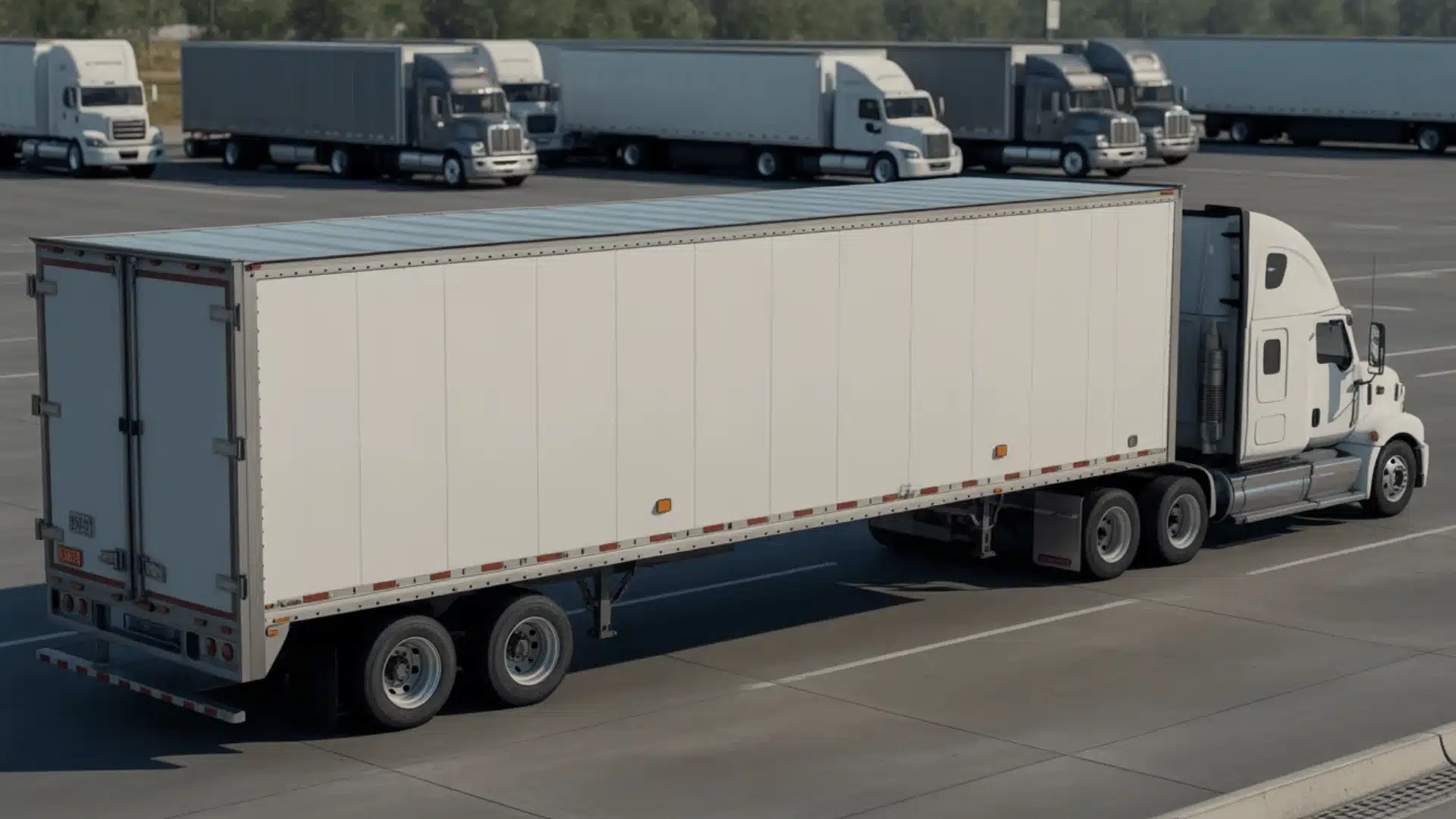

North Carolina truck insurance depends first on what you haul, and only then on the state. A long-haul operator, a car hauler, a refrigerated carrier and a dump truck owner can all be domiciled in the same county and need four different conversations. This guide is a decision tool by operation type. The state hub, with the regulators, the freight geography and the major markets, is the North Carolina trucking insurance page, and we point to it rather than repeat it. Dry van carriers in the western mountains can read dry van trucking insurance in Asheville.
Which kind of North Carolina operation are you?
Pick the row that describes most of your miles, then read that section.
Why start from the operation type and not the state?
Because the state sets the stage and the operation writes the policy. Two carriers in the same county, one pulling dry vans to the Northeast and one running a dump truck to local job sites, face different cargo forms, different liability exposures, different regulators and different customers asking for certificates. A guide organized by state would repeat the same general advice for both. A guide organized by operation can say what each should ask first. The state hub then supplies what only a state page can: the regulators, the freight geography and the markets.
What matters for a long-haul operator based in North Carolina?
The federal layer, because long-haul work crosses state lines. For for-hire carriage of nonhazardous property in interstate or foreign commerce on a vehicle rated 10,001 pounds or more, 49 CFR 387.9 sets the public liability floor at $750,000, proved by the MCS-90 under 387.7. Brokers usually ask for more than the floor, which the liability limits article explains. Confirm the current text of 387.9, which was restated in a technical amendment effective July 21, 2026.
Beyond that, a long-haul program is about the three core coverages described in what motor carrier insurance is, and the class page for general freight trucking insurance. The state matters for the home garaging address and for the intrastate rules covered below.
Bring these to the quote: the usual commodity and its typical value, the longest trips you run, the lanes you use most, and the equipment with its ratings. A long-haul operator should also bring the broker contracts that set a liability limit, because the limit you need is often set by the customer and not by the federal row.
What changes if you haul cars?
The cargo. A car hauler’s load is other people’s vehicles, so the cargo form must address how damage to a vehicle is measured and which kinds of vehicle moves it covers. The liability and physical damage layers look familiar. The auto hauler insurance article explains the cargo requirement, the difference between transporter, towaway and driveaway operations, and how a damage claim runs. The North Carolina state page notes that carriers moving vehicles for dealers, auctions and lenders have a different cargo conversation, and that is the article to read.
Bring these to the quote: the kinds of vehicles you move, the highest-value unit you load at one time, whether you move for dealers, auctions or individuals, and how many units your trailer carries. If you also move vehicles by driveaway or towaway, say so, because those are rated differently from loading a trailer.
What changes if you haul refrigerated freight?
The cargo form again, in a different way. A reefer operator needs a form that names breakdown and temperature loss and lists the commodities hauled. The overview in reefer truck insurance explained sets out the program, and the class page for refrigerated hauling insurance covers the equipment and exposures. What the state adds is the freight mix and the weather, which are described on the North Carolina page and should be read there, not assumed.
Bring these to the quote: the commodities and their source, the reefer units and trailers with their owners, the temperature instructions your customers give you, and the highest-value load you accept. If your trips start or end in a distribution cluster, name it, because delivery windows and dock practices shape the claims an underwriter expects.
What changes if you run a dump truck?
Weight, job sites and the way the program is rated. Dump work is rated on how the truck is used, not only on what it is, and in North Carolina the state’s weight statute has provisions specific to dump trucks. The page for dump trucking insurance in North Carolina is the authority on that, and the class page for dump trucking insurance covers the national picture. Read them before you quote a dump operation, because a weight penalty is a regulatory cost, and you should ask your agent whether the policy treats fines and penalties as a covered loss.
Bring these to the quote: the pits, quarries or job sites you serve, the truck’s configuration and registered weight, and how the program is rated in your state. Dump work can involve short hauls and many trips a day, which is a different exposure from the long-haul pattern, and the underwriter will ask about it.
What does North Carolina add on its own roads?
Two things worth checking, both from primary sources. First, N.C.G.S. 20-376 defines an intrastate motor carrier for the state’s safety article as a person who operates or controls a vehicle in intrastate commerce with a GVWR or GCWR of 26,001 pounds or more, a vehicle designed or used to transport 16 or more passengers, or a vehicle used to transport hazardous material in a placardable quantity. Second, the administrative rule 14B NCAC 07C .0101 applies the federal inspection, repair and maintenance rules of 49 CFR 396.17 through 396.23 to all for-hire motor carrier vehicles and to private carrier vehicles in intrastate commerce above 10,000 pounds, and requires a displayed inspection certificate. Confirm the current text with the agency before relying on either; rules are amended. Port carriers can read drayage trucking insurance near the Port of Wilmington.
Real-World Scenario: Take a hypothetical operator with a medium-duty truck who reads the 26,001-pound line in the statute and concludes the state’s truck rules do not reach the vehicle. A roadside check later turns up the inspection rule, which sits at a lower weight line and asks for a displayed certificate. The insurance was fine; the compliance assumption was not, and an agent who knew both rules would have raised it at quote.
How should you compare quotes if you could be domiciled in more than one state?
Ask each quote to be built on the same operation: same equipment, same radius, same commodities, same drivers. The state of garaging changes some of the inputs, and the only fair comparison holds everything else still. Then compare the forms and the filings before the price, because a quote that omits something the others include is not a lower price for the same thing.
How do you use this with the rest of the site?
Use the type to choose the coverage, and the state page to check the regulators and the freight geography. A hot shot hauler running between North Carolina and the Midwest can read the parallel guide for Illinois trucking companies and hot shot haulers. For a new operation, the new venture page for North Carolina covers the startup pathway, and the first-year insurance article explains why the first year is priced as it is. When you are ready to compare, start a quote and say which of the four rows is yours.