
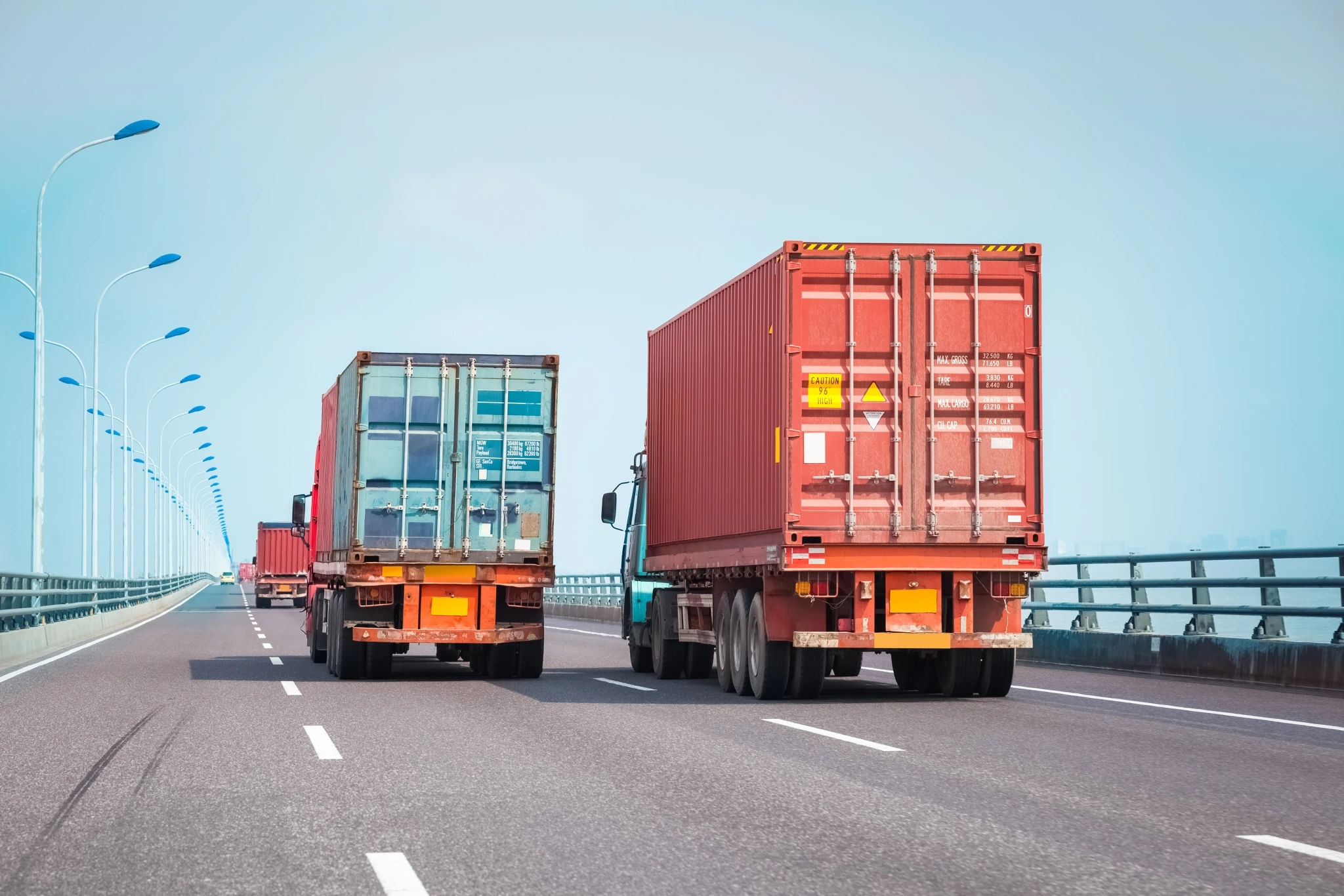

Drayage trucking insurance near the Port of Wilmington, with liability, cargo and physical damage, usually starts around $7,000-$10,000+ for the year, all in. That is a typical range, not a quote or a guarantee, and actual premiums depend on your equipment, your lanes, your drivers and the providers you interchange with. Carriers based in Wilmington, Leland and the surrounding area need the same core coverages as any trucking company, plus trailer interchange for the chassis and containers they pull.
The North Carolina trucking insurance page covers the state, and the UIIA intermodal trucking insurance page covers the program. This article stays on drayage around the Wilmington port.
Who runs the port?
The North Carolina State Ports Authority operates the Port of Wilmington, along with the Port of Morehead City and an inland port in Charlotte. Containers move between the Wilmington terminal, rail and warehouses across the state under interchange agreements with shipping lines and chassis providers.
What coverage does a Wilmington drayage carrier need?
Auto liability, general liability, motor truck cargo, physical damage on your own tractors, and trailer interchange for equipment you pull but do not own.
IANA’s UIIA FAQ says motor carriers in the Uniform Intermodal Interchange and Facilities Access Agreement carry auto liability and commercial general liability, and that individual equipment providers may require more, such as cargo and trailer interchange, and may ask to be named as additional insured. The strictest provider you work with sets your program.
Which North Carolina agencies matter?
The North Carolina Department of Insurance regulates the insurers. NCDOT handles highways, oversize permits and intrastate motor carrier matters. The North Carolina Industrial Commission administers workers’ comp. Interstate authority and federal filings run through FMCSA.
Is a short port move interstate?
It can be. Whether a load is interstate depends on where the freight starts and ends up, under the definitions in 49 CFR 390.5. A container picked up at the port and delivered to a warehouse in Brunswick or New Hanover County may still be the local leg of an international shipment. The article on interstate trucking insurance explains why that matters.
What about hurricane season?
Coastal North Carolina carriers park equipment near the water, and hurricanes and tropical storms are part of the risk. Ask whether your physical damage covers flood and windstorm, and what the deductible is. Customers’ containers parked at your yard during a storm are an interchange question, not a physical damage one.
What do underwriters ask a Wilmington drayage carrier?
The equipment providers you interchange with and what each requires. Your tractors and their age. Your drivers’ experience with container work. Whether you hold containers or chassis at your own yard. The commodities you see most often. And your loss history, especially interchange and cargo claims.
Real-World Scenario: Picture a hypothetical Leland carrier with three tractors that has run regional dry van freight for years. A customer asks it to pull import containers from the Wilmington port to its warehouse. The owner adds the work without telling the agent. The first chassis is damaged when the driver takes a tight turn into the warehouse lot. The carrier’s policy has no trailer interchange and none of the intermodal endorsements, and the chassis provider bills the carrier.
What moves the price inside that range?
Your equipment and its age, the share of port work against other freight, the number of equipment providers, your drivers’ experience and records, and your loss history. The article on drayage trucking insurance in Savannah covers the same questions at another Southeast port, and intermodal trucking insurance covers the chassis and container in more depth.
What about the Charlotte inland port?
The State Ports Authority also runs an inland port in Charlotte, which ties the Wilmington terminal to the Piedmont by rail. Carriers that pull containers to and from the inland port are doing the same interchange work far from the coast, often with the same equipment providers. If you serve both ends, keep one list of providers and requirements for both facilities, and make sure your interchange limit reaches the most valuable box you pull at either one.
The article on motor truck cargo insurance in Charlotte covers the cargo side for carriers based at that end of the state.
What should you do next?
List every equipment provider you work with or plan to, and pull each one’s insurance requirements. Then start a quote and send the list with your tractors and drivers. We will tell you what the strictest provider requires and whether your current program meets it.