
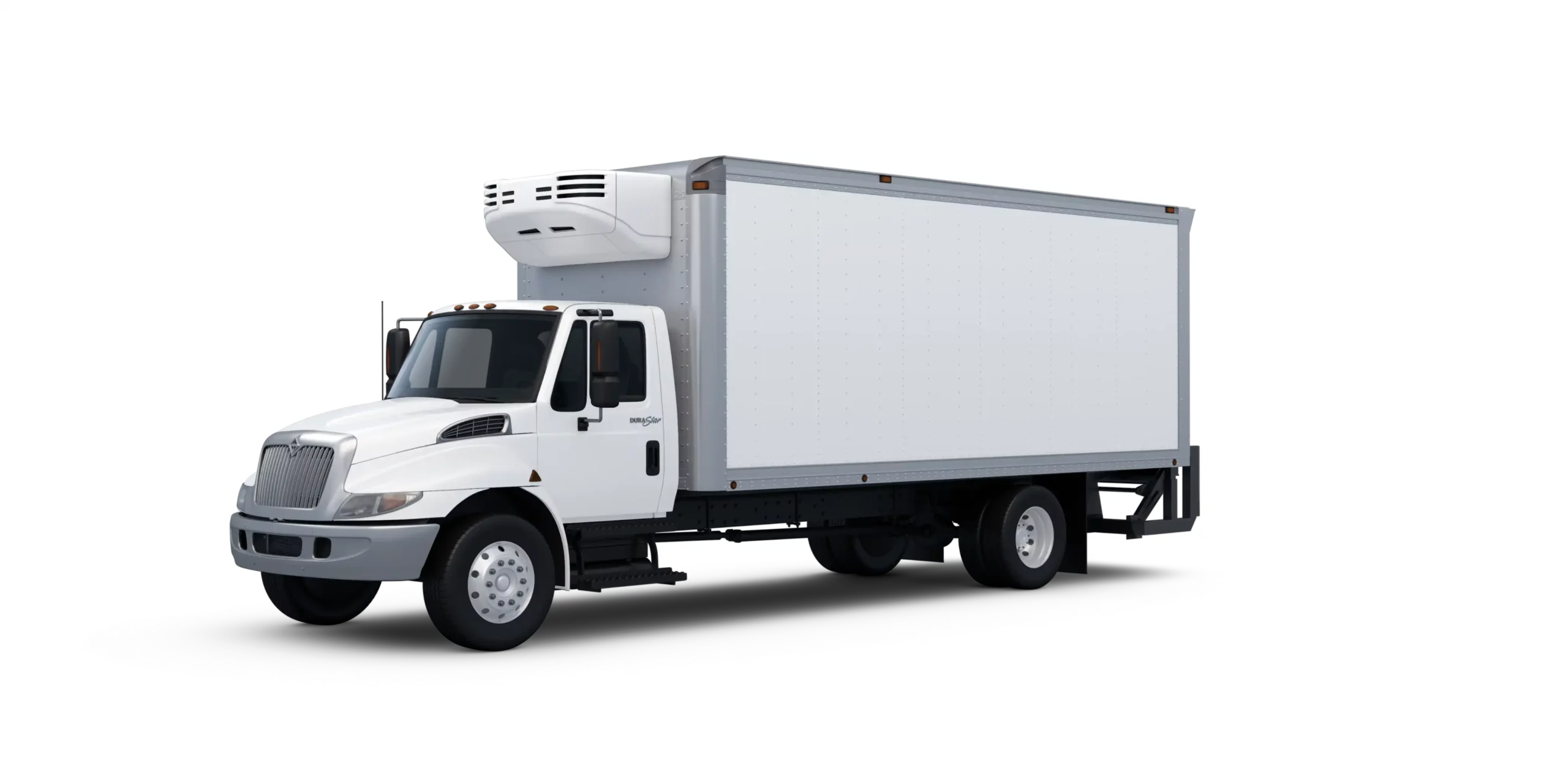

Reefer truck insurance is a standard trucking insurance program with one part rebuilt for refrigerated freight: the cargo form, which has to address temperature loss, and the way the refrigeration unit itself is insured. Liability and physical damage work much as they do for dry freight. The cargo wording is where a reefer carrier’s program succeeds or fails, and it is the first thing to read on a quote.
This is the head-term overview for refrigerated haulers. Two companion articles go deeper on single questions, and this one points to them rather than repeating them: what the breakdown endorsement pays is in reefer breakdown coverage, and how a claim is handled is in the reefer breakdown claim process.
What does reefer truck insurance include?
It includes the same three core coverages every for-hire carrier needs, described in what motor carrier insurance is: auto liability, motor truck cargo and physical damage. For a refrigerated operation the details shift in three places.
- Cargo has to be written for refrigerated commodities, with the breakdown wording and the temperature conditions visible in the form.
- Physical damage has to say whether the refrigeration unit is part of what it insures, and on whose policy.
- Liability is unchanged in principle, but the lanes and delivery windows of refrigerated work, covered on the refrigerated hauling insurance page, shape how it is rated.
Why is the cargo form the part that changes?
Because a carrier is liable for the freight whatever the policy says. Under 49 U.S.C. 14706, a carrier that issues a bill of lading is liable to the person entitled to recover for the actual loss or injury to the property. A standard cargo form insures that liability against the causes of loss it names, and spoilage from a failed unit is a cause a dry-freight form may leave out. That is the whole reason a refrigerated program has a different cargo conversation.
Three things in the form matter more than the label. How the form defines breakdown. Whether it pays only for a spoiled load that follows a failed unit, or for temperature loss from any cause. And which commodities it lists, because a limit that fits a load of produce may not fit a load of pharmaceuticals. A carrier who asks the agent to point to each of those sentences has read the coverage.
Does reefer insurance cover the machine or the load?
The load. The cargo coverage and its breakdown peril respond to the freight. The machine is equipment, and equipment follows ownership. If you own the trailer and its unit, physical damage on the trailer is where an agent looks first; if the trailer is leased or financed, the lease or the lender’s requirements may put the equipment insurance somewhere else. The mistake is assuming one policy covers both, which leaves the carrier with a spoiled-load claim paid and a failed compressor unpaid, or the reverse.
What do the federal food rules add for a refrigerated carrier?
They add records, and records are what a claim is built from. The FDA’s sanitary transportation rule, 21 CFR 1.908, says the shipper specifies the operating temperature in writing, including the pre-cooling phase if needed. Where the carrier and shipper have a written agreement that the carrier is responsible for sanitary conditions in transit, the carrier must pre-cool each mechanically refrigerated compartment as the shipper specifies and, when asked, demonstrate that it held the specified temperature, for example with time and temperature data. The rule does not apply to every food load, so check the exemptions.
None of that is an insurance requirement. Its value to an insured carrier is evidence: the shipper’s written instruction and the unit’s temperature record are the two documents that turn a rejected load into a documented claim. The claim handling that follows is in the claim-process article.
How do the two reefer breakdown articles fit together?
Think of them as before and after. The coverage article is the before: it explains that breakdown coverage pays for the freight, not the machine, and lists the five wording points to compare between quotes. The claim-process article is the after: it follows the first temperature alarm through documentation, deductible, salvage and recovery. This overview sits above both. If you are choosing a program, read the coverage article next; if you are holding a spoiled load, read the claim article now.
Real-World Scenario: Picture a hypothetical carrier that has hauled dry freight for years and takes its first refrigerated contract because the rate is attractive. It buys a reefer trailer and keeps the existing policy. The cargo form was rated for dry commodities, and the first spoiled load is a coverage dispute instead of a claim, because no one asked the agent to rewrite the cargo form for the new work.
What records should a reefer carrier keep?
Keep the three documents that tie a load to a temperature: the shipper’s written operating temperature, the carrier’s record of pre-cooling, and the unit’s temperature data for the trip. The food transportation rules put retention duties on carriers as well. Under 21 CFR 1.912, a carrier retains records of its written procedures for twelve months beyond when they are in use, and records must be made available promptly on request. That is a floor for the regulated procedures, not a limit on what is sensible for claims, so many carriers keep trip records for longer.
None of this changes what the policy pays. It changes whether you can show that a loss falls inside what the policy pays, which is the part a carrier controls.
How does a leased or financed reefer trailer change the program?
It changes who must be named and who insures the unit. A financed trailer brings the lender’s requirements: physical damage with the lender named, and sometimes conditions on the unit. A leased or rented trailer brings the lessor’s agreement, which may place the equipment insurance on the carrier or on the lessor, and which may also require specific cargo or liability limits. Read the lease or rental terms with your agent before the trailer is hooked, because the program has to satisfy the lender, the lessor and the customer at once, and the three do not always ask for the same thing. Those questions multiply across a larger operation; see reefer truck insurance for large fleets.
What drives the price of a refrigerated program?
The same factors that drive any trucking premium, with refrigerated emphasis: the commodities, the highest-value load, the lanes and delivery windows, the age and maintenance of the units, the drivers’ records and the authority’s history. Nothing here can be priced from a web page, and the premium drivers article explains the general mechanics. A new authority prices differently from a seasoned one, which the first-year article sets out. For a state-specific view of refrigerated work, see how it plays out in North Carolina operations by type.
What should you do next?
Make a list: the commodities you haul, the highest-value load you will accept, who owns each trailer and unit, and whether your customers give you the operating temperature in writing. With that list an agent can price the program accurately and show you the breakdown wording. Start a quote and send the list with it.