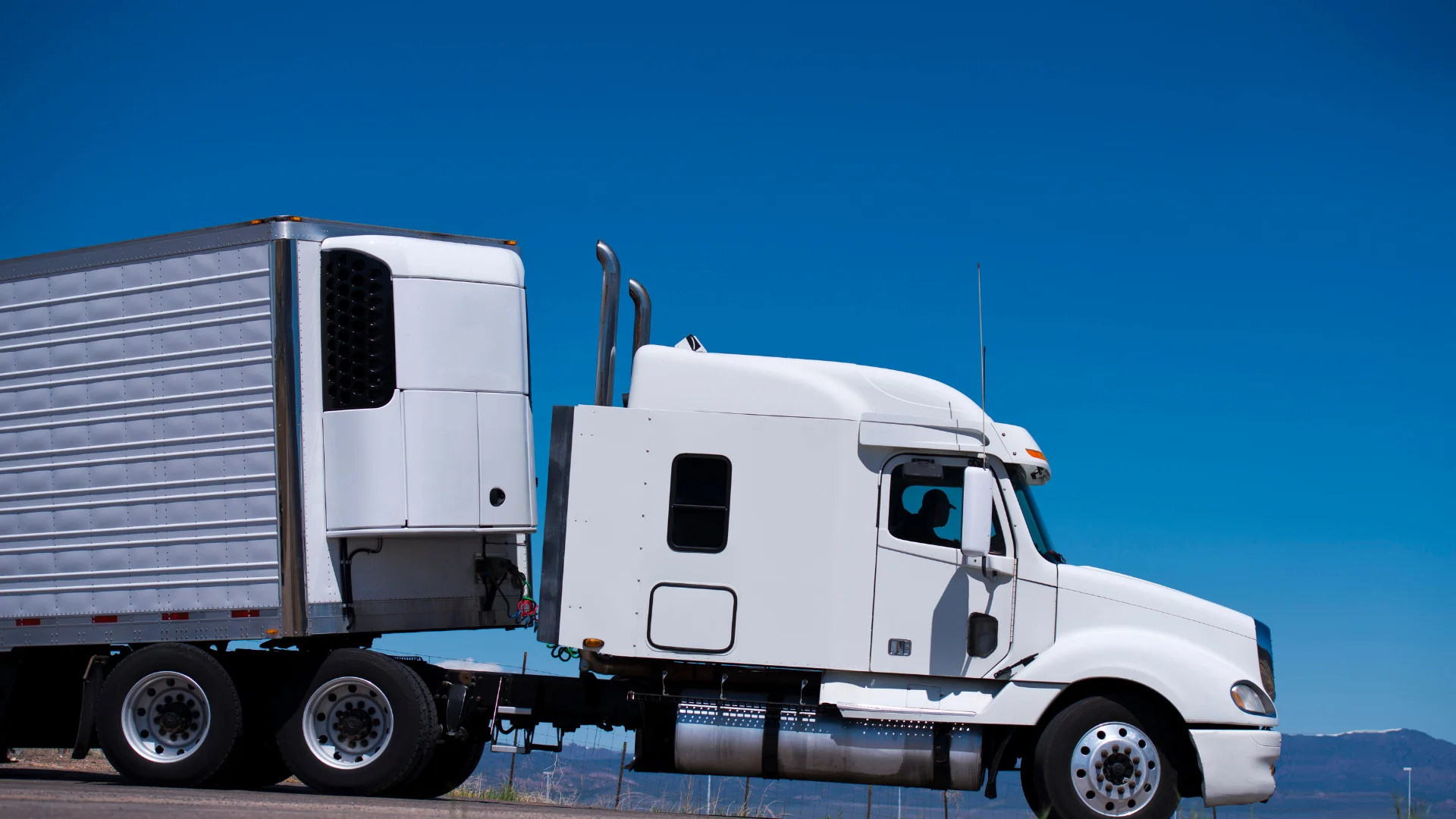

An Oklahoma reefer hauler needs auto liability that meets the requirement for its freight, motor truck cargo with breakdown wording for the refrigeration unit, physical damage on the tractor, trailer and unit, and workers’ compensation for any employee drivers. What makes the Oklahoma version different is the layer of state regulators, the long corridor miles and the weather the trucks drive through.
The Oklahoma trucking insurance page covers the state’s regulators and corridors in detail. This article applies them to refrigerated freight.
What coverage does an Oklahoma reefer truck need?
The same core lines as any refrigerated carrier. Auto liability for injury and damage to others. Motor truck cargo for the freight, with reefer breakdown wording. Physical damage for your own tractor, trailer and refrigeration unit. Workers’ compensation when you have employees, and general liability for your operations at docks and yards.
The refrigerated part is mostly in the cargo form. The overview of reefer truck insurance explains each piece, and the refrigerated hauling insurance page covers the class as a whole.
Who regulates trucking insurance in Oklahoma?
Several agencies, each with its own job. The Oklahoma Insurance Department regulates the insurers that write commercial auto, cargo, physical damage, general liability and workers’ compensation in the state, oversees rate and form filings and handles consumer complaints.
Operating authority sits elsewhere. Interstate authority runs through FMCSA. Intrastate authority runs through the Oklahoma Corporation Commission Transportation Division. The Oklahoma Department of Transportation manages the highway system and oversize and overweight permits, and does not issue operating authority. Workers’ compensation disputes go to the Oklahoma Workers’ Compensation Commission, and Oklahoma has no state-monopoly workers’ compensation fund, so private insurers write it.
What liability limit applies to an Oklahoma reefer carrier?
For interstate for-hire carriers, the federal schedule in 49 CFR 387.9 sets the minimum by commodity. For nonhazardous property in vehicles of 10,001 or more pounds, it is $750,000. Most food is in that row. Carriers that stay inside Oklahoma should confirm the state requirement with the Corporation Commission.
In practice, brokers and shippers set the limit. Contracts on Oklahoma freight commonly ask for limits above the federal floor, and the liability limits article explains why and how carriers layer coverage to meet them.
What does reefer cargo coverage need to say?
It needs to say what happens when the refrigeration unit fails. Reefer breakdown coverage usually pays for spoilage caused by a sudden mechanical breakdown of the unit. Spoilage from a wrong setpoint, a door left open, a load that was not precooled or a unit that was not maintained is commonly excluded. The article on reefer breakdown coverage and what it pays goes through that wording.
Your liability for the load is separate from your coverage. Under 49 U.S.C. 14706, a carrier that issues a receipt or bill of lading is liable for actual loss or injury to the property. For food loads, the FDA’s rule on sanitary transportation of human and animal food applies to carriers that move food by motor vehicle and addresses temperature control. Shippers often write those duties into their agreements, so temperature records become your evidence in a claim.
Make the records easy to produce. Note the setpoint the shipper gave you on the bill of lading, confirm it at pickup, and download the unit’s temperature history after any delay, breakdown or rejection. Keep repair records for each unit by unit number. An adjuster deciding whether a breakdown was sudden will ask for exactly those documents.
How do Oklahoma corridors and weather affect a reefer policy?
Oklahoma sits where I-35, I-40 and I-44 meet, and many Oklahoma carriers run heavy line-haul miles on one or more of them. Underwriters on Oklahoma accounts ask for the share of miles run on each corridor, because long-haul exposure on those routes rates differently from short regional work.
Weather is the other Oklahoma question. Severe weather decisions by drivers show up in Oklahoma carriers’ loss histories, and for a reefer hauler a weather delay can also mean a temperature problem if the unit is not monitored. A written driver procedure for severe weather, and a way to watch unit temperatures while a truck is stopped, both help in an underwriting conversation.
Weather also reaches physical damage. Hail, wind and flooding are comprehensive losses on the tractor, the trailer and the unit, so a reefer carrier should check how its form handles weather damage and what deductible applies to it. Where trucks are parked during storms matters too. A yard plan that moves equipment out of low ground, and a record of following it, is the kind of detail that separates a well-run Oklahoma account from an average one.
Corridor work also brings hours-of-service and delivery-window pressure. Food loads come with appointment times, and a driver trying to make an appointment after a weather delay is the setting for many reefer losses. Shippers and receivers vary in how they handle late loads, and some contracts treat a late reefer load as a rejected one. Read those clauses alongside the cargo form.
Real-World Scenario: Picture a hypothetical Oklahoma reefer hauler stopped by severe weather with a load of produce. The driver waits it out, and during the wait the unit shuts down and the load warms. The shipper rejects the load at delivery. Whether the cargo form pays turns on why the unit stopped: a sudden mechanical breakdown may be covered under the breakdown wording, while a unit that ran out of fuel or was switched off usually is not. The temperature download decides which story the adjuster believes.
Does an Oklahoma reefer carrier need workers’ compensation?
If you have employee drivers, plan on it. Oklahoma does not run a state-monopoly fund, so workers’ compensation is bought from private insurers in the open market, and disputes over benefits go to the Oklahoma Workers’ Compensation Commission. A reefer driver loading, unloading and checking units in all weather has real injury exposure, and the policy is how an employer meets its obligations to injured employees.
Owner-operators are a different question. An owner-operator running under their own authority, or leased to a carrier, should read the article on workers’ comp for truck drivers for the options that apply when you are not an employee. If your reefer trucks also run in other states with employee drivers, make sure the policy lists every state they work in.
What about trailers and refrigeration units on an Oklahoma policy?
List the unit with the trailer, and ask how the policy treats it. A refrigeration unit is expensive equipment mounted on a trailer, and some physical damage forms cover it as part of the trailer while others need it described separately. Get the answer in writing before a claim.
If you pull trailers you do not own, such as a shipper’s reefer trailer or a leased unit, your physical damage does not cover them. That exposure needs trailer interchange or a non-owned trailer endorsement, depending on the agreement. Make a list of every trailer your drivers pull and who owns it, and match it to the policy.
What do Oklahoma underwriters ask a reefer carrier?
Expect questions about your commodities and their values, your corridor mileage, how you maintain reefer units, how you monitor and download temperature data, how drivers handle weather and pretrip checks, your shipper agreements and your loss runs. If you also haul general freight, list those loads separately, as the article on insurance for multiple load types explains.
New Oklahoma carriers face more questions with less history to answer them. The page for new venture trucking insurance covers how first-year carriers are placed.
What should you do next?
Find the reefer breakdown wording in your current cargo form, or note that it is missing. Then start a quote and send it with your commodity list and corridor mileage. We will tell you how an Oklahoma reefer program should be set up for the freight you haul.